ALL PRODUCTS
- Solar Panel
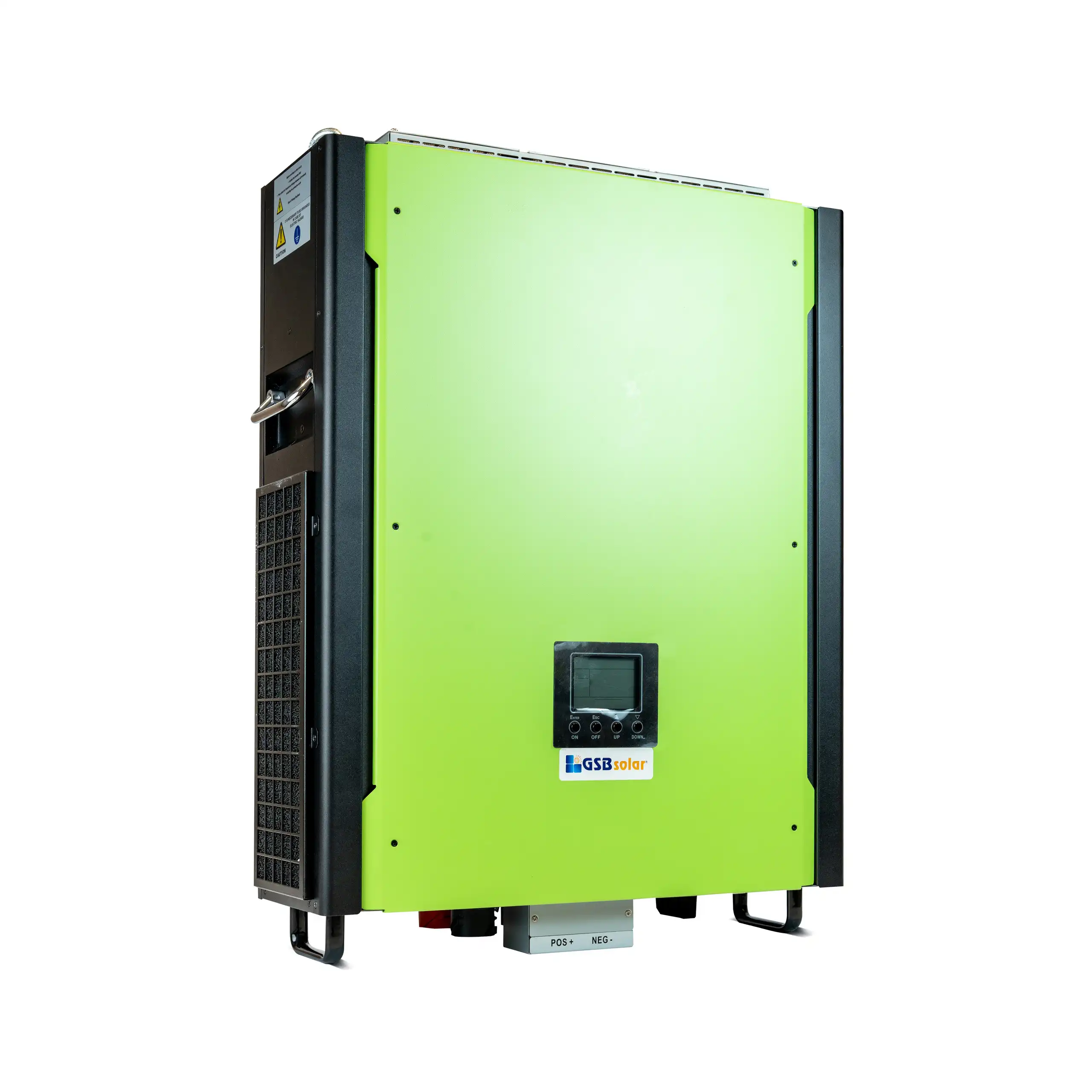
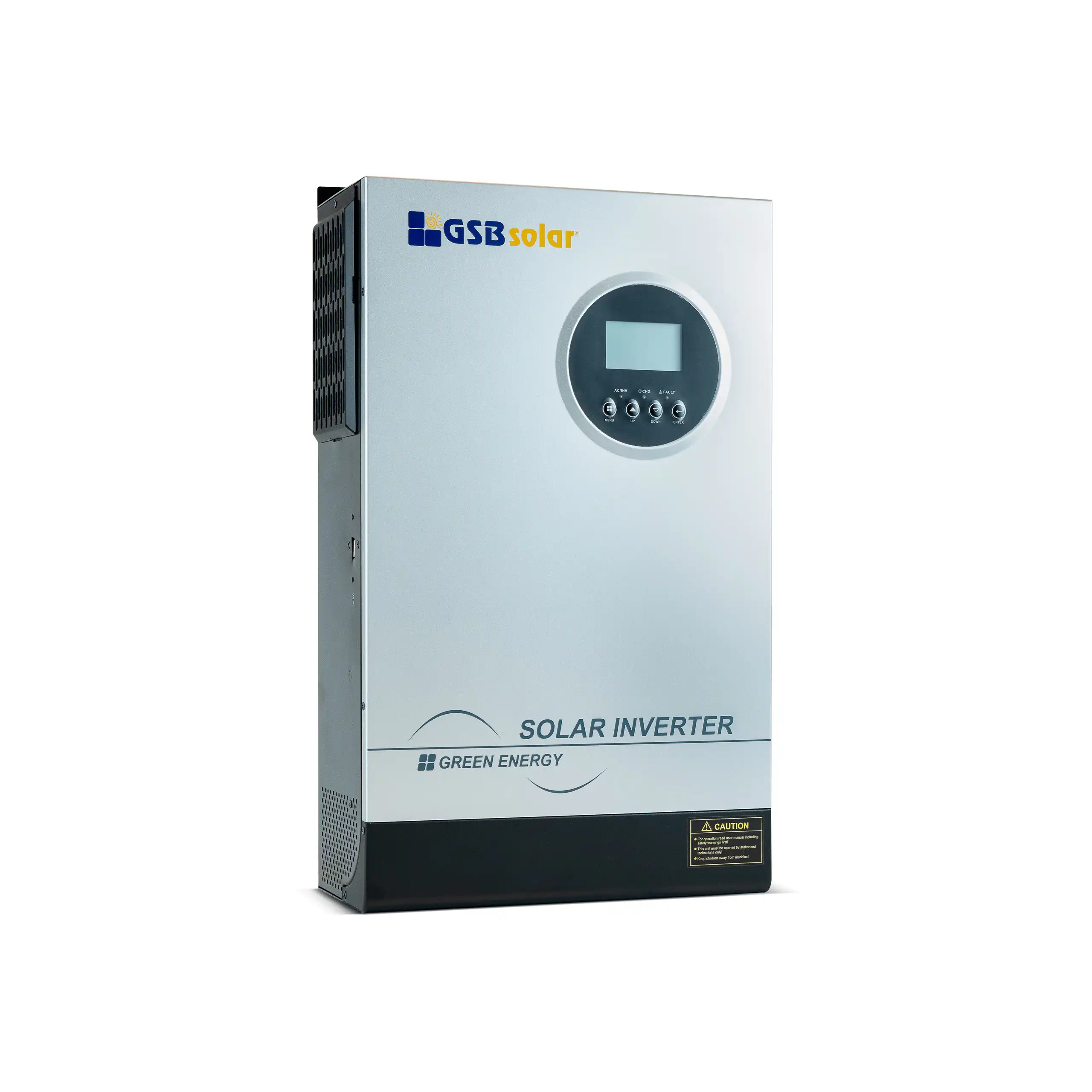
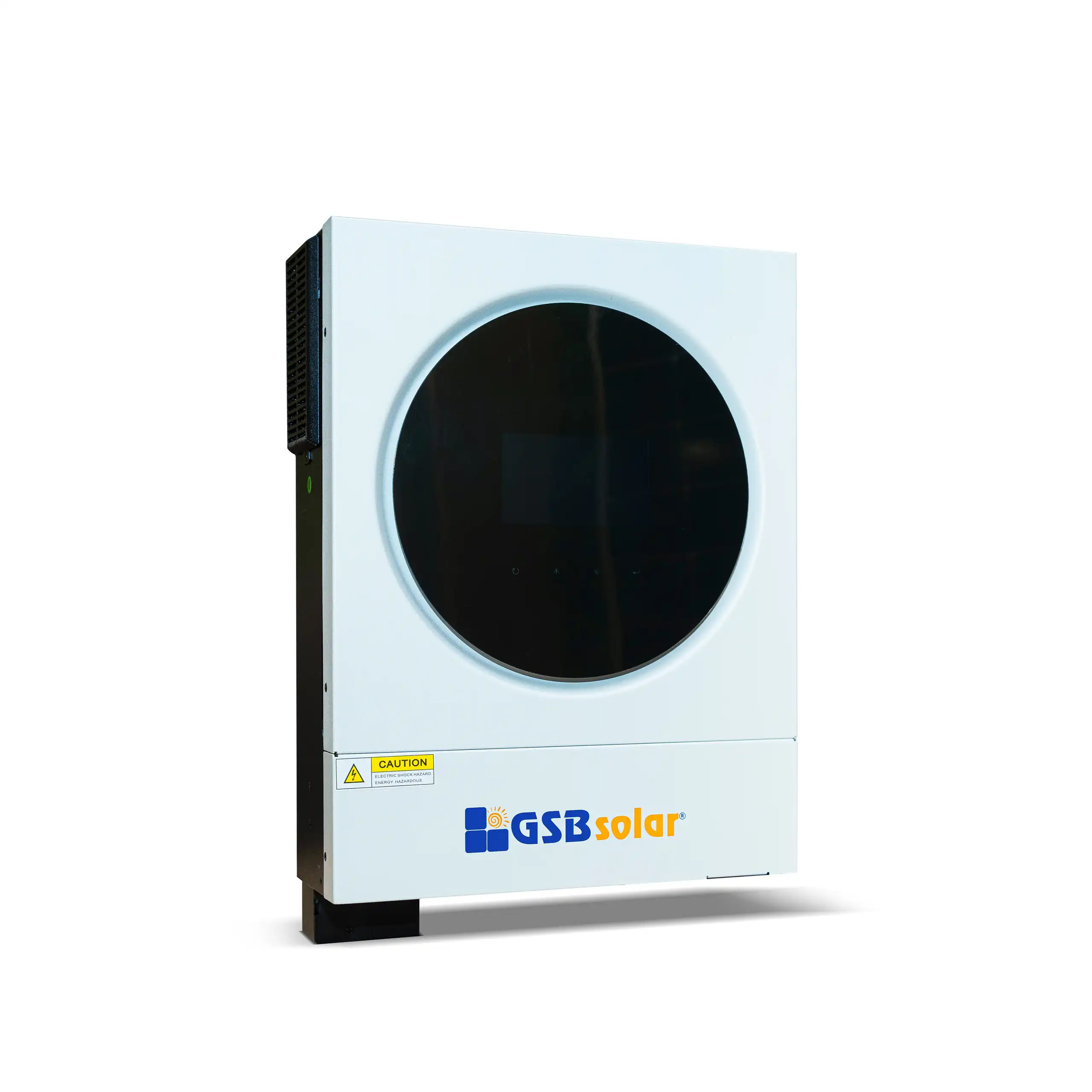
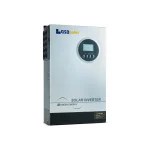
- Hybrid Inverter
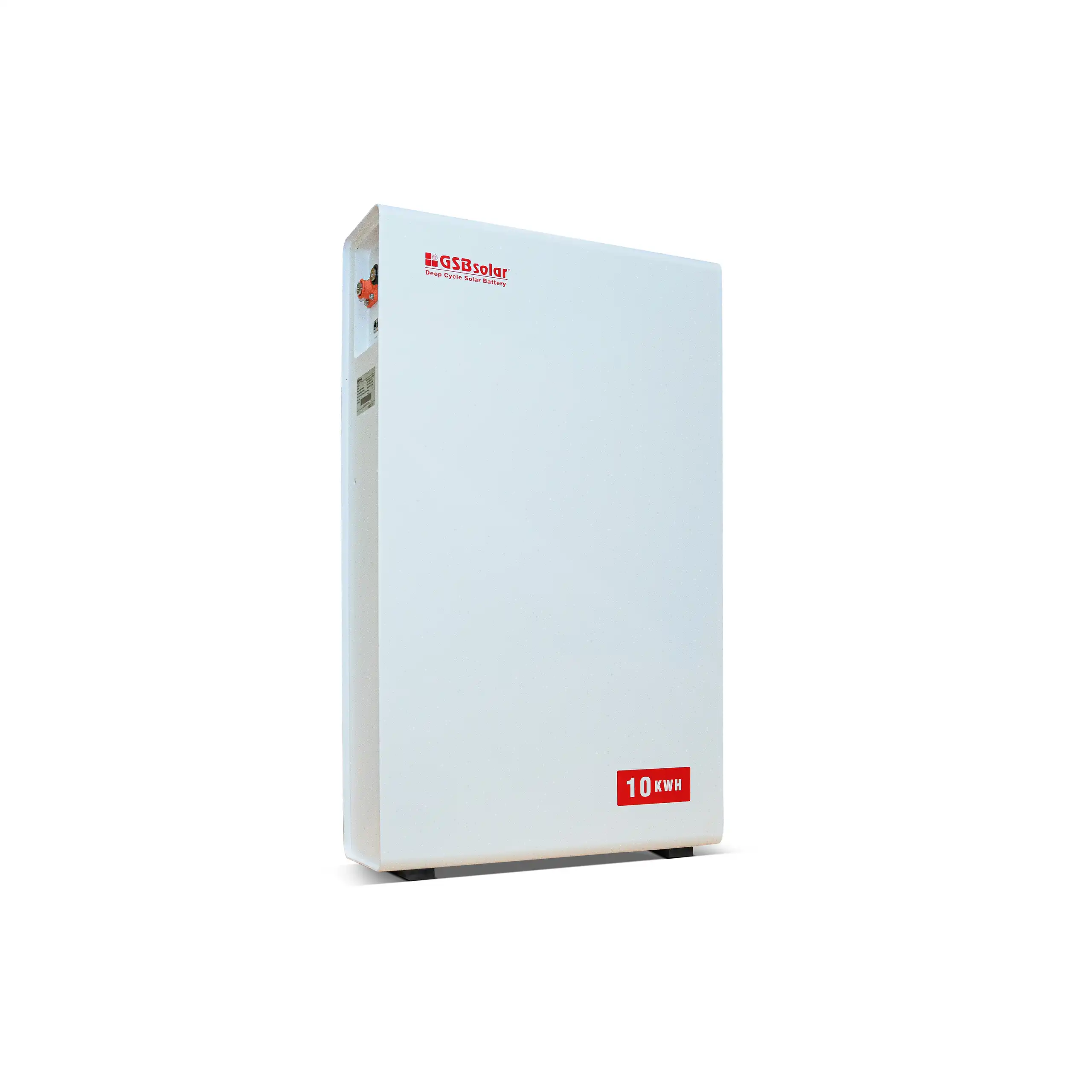
- Lithium Battery
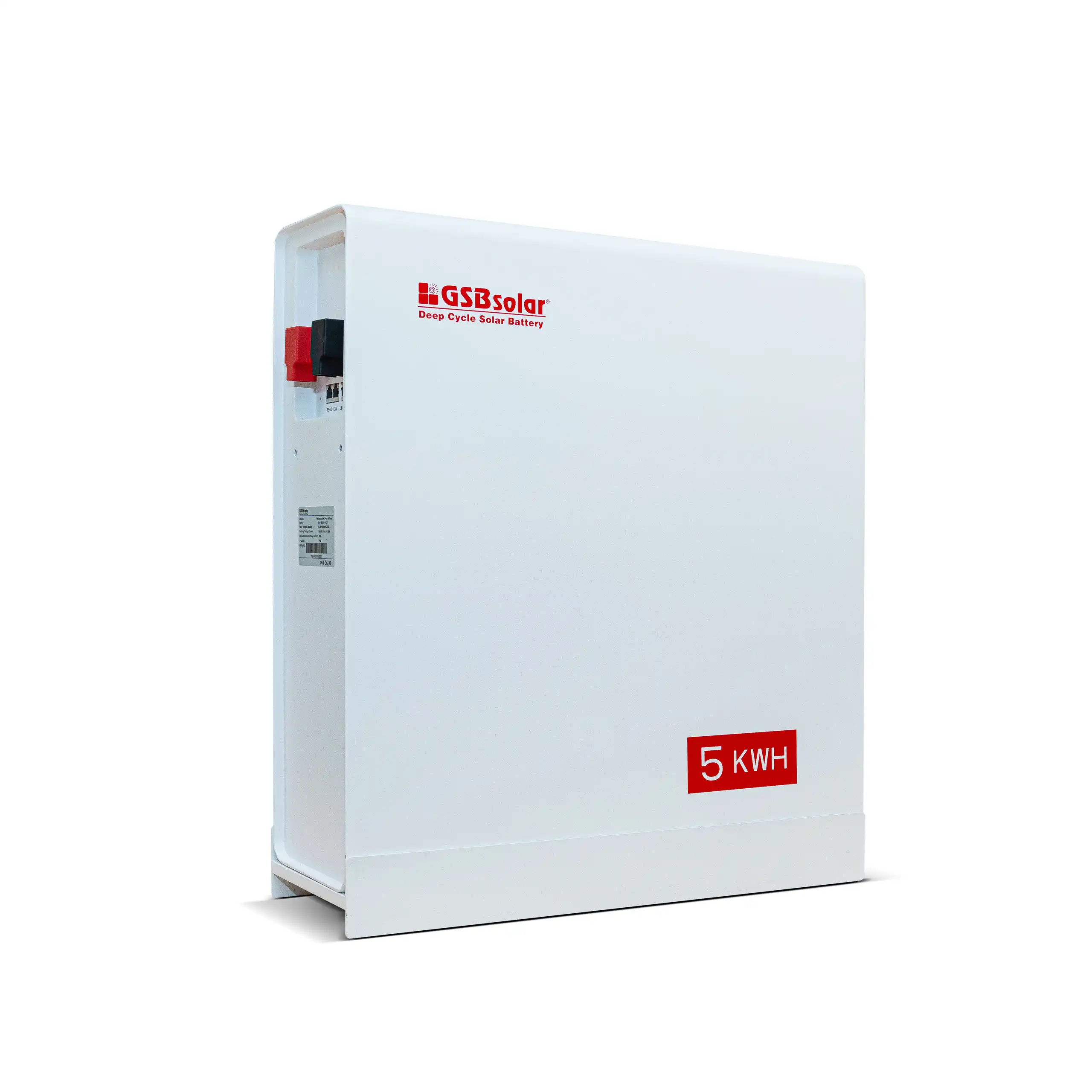
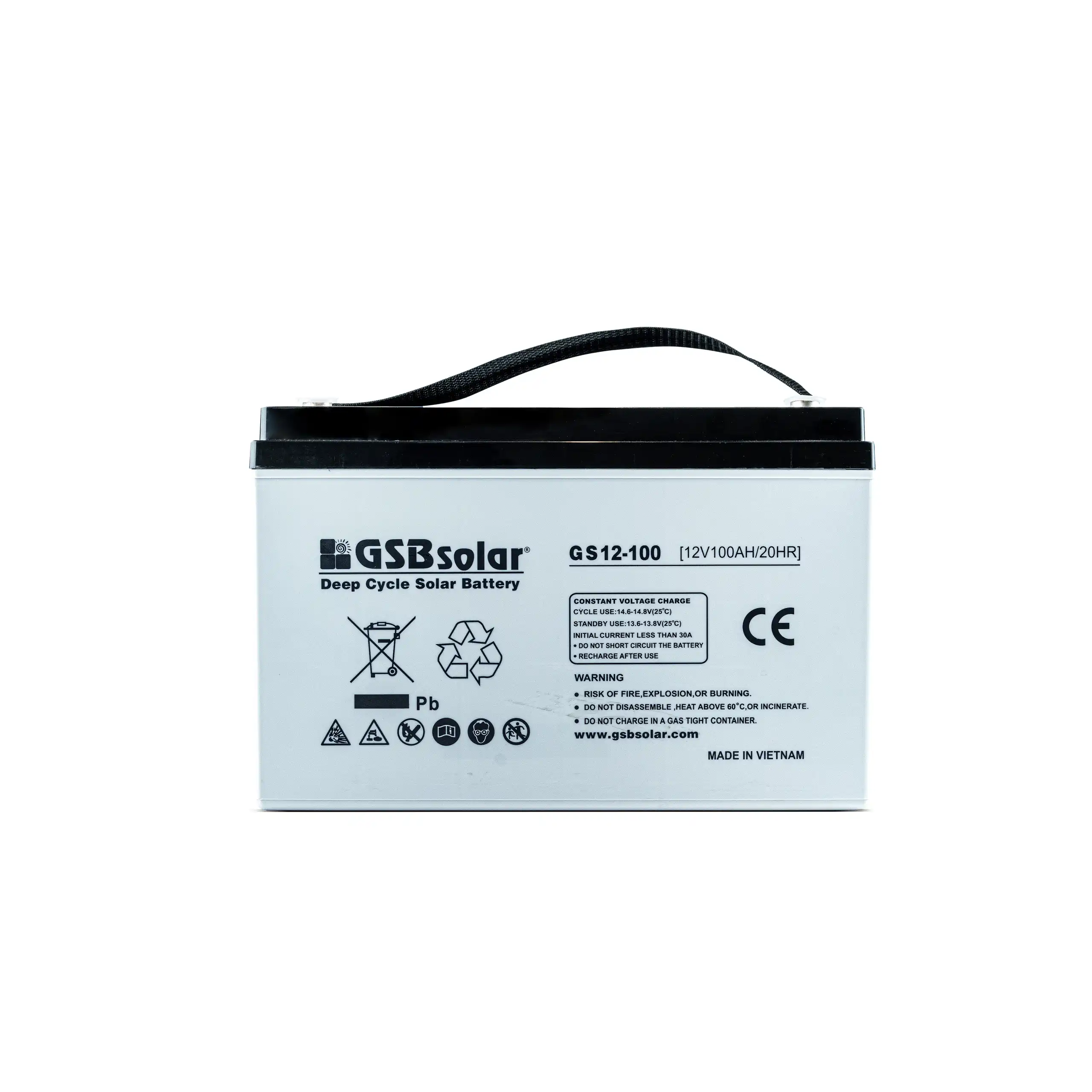
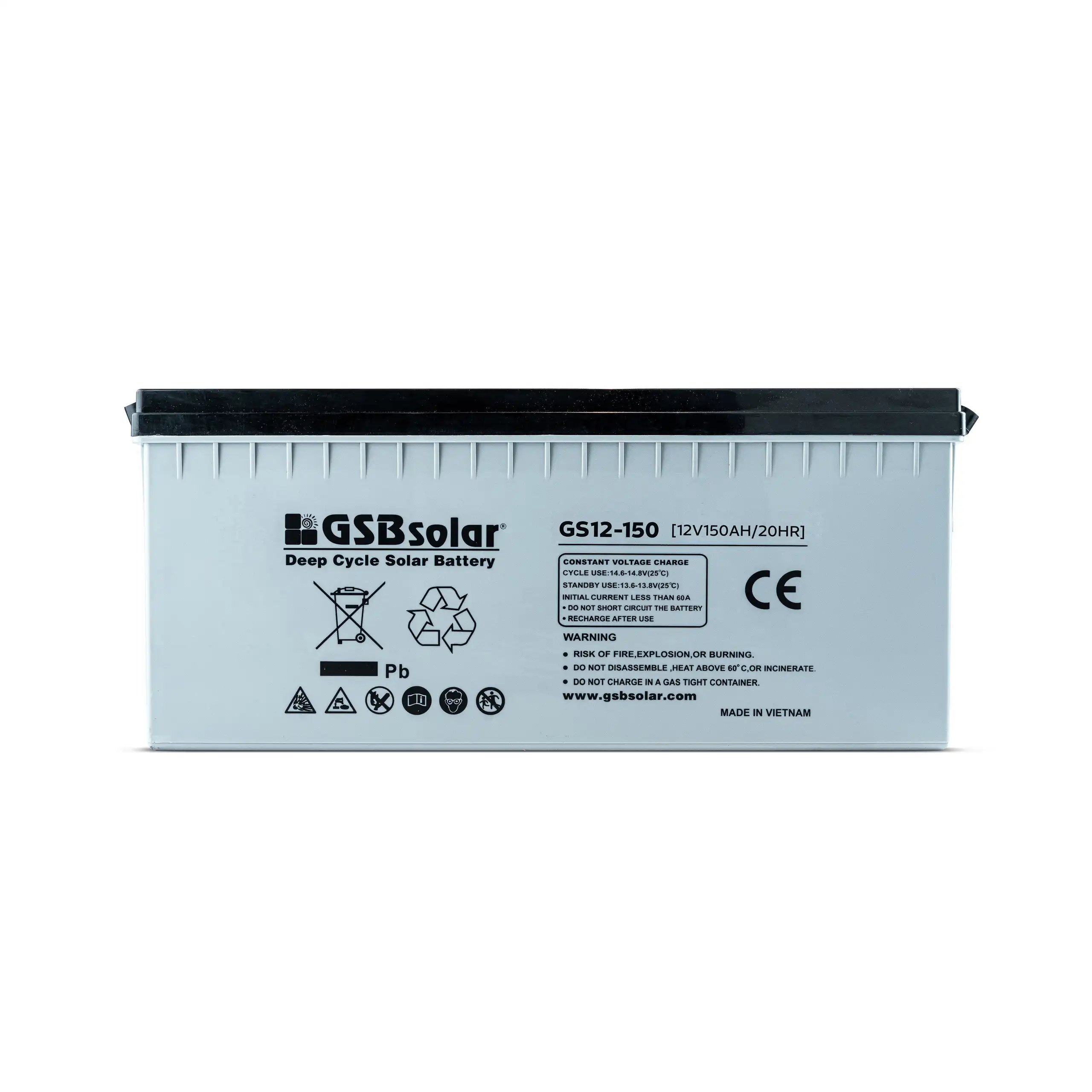
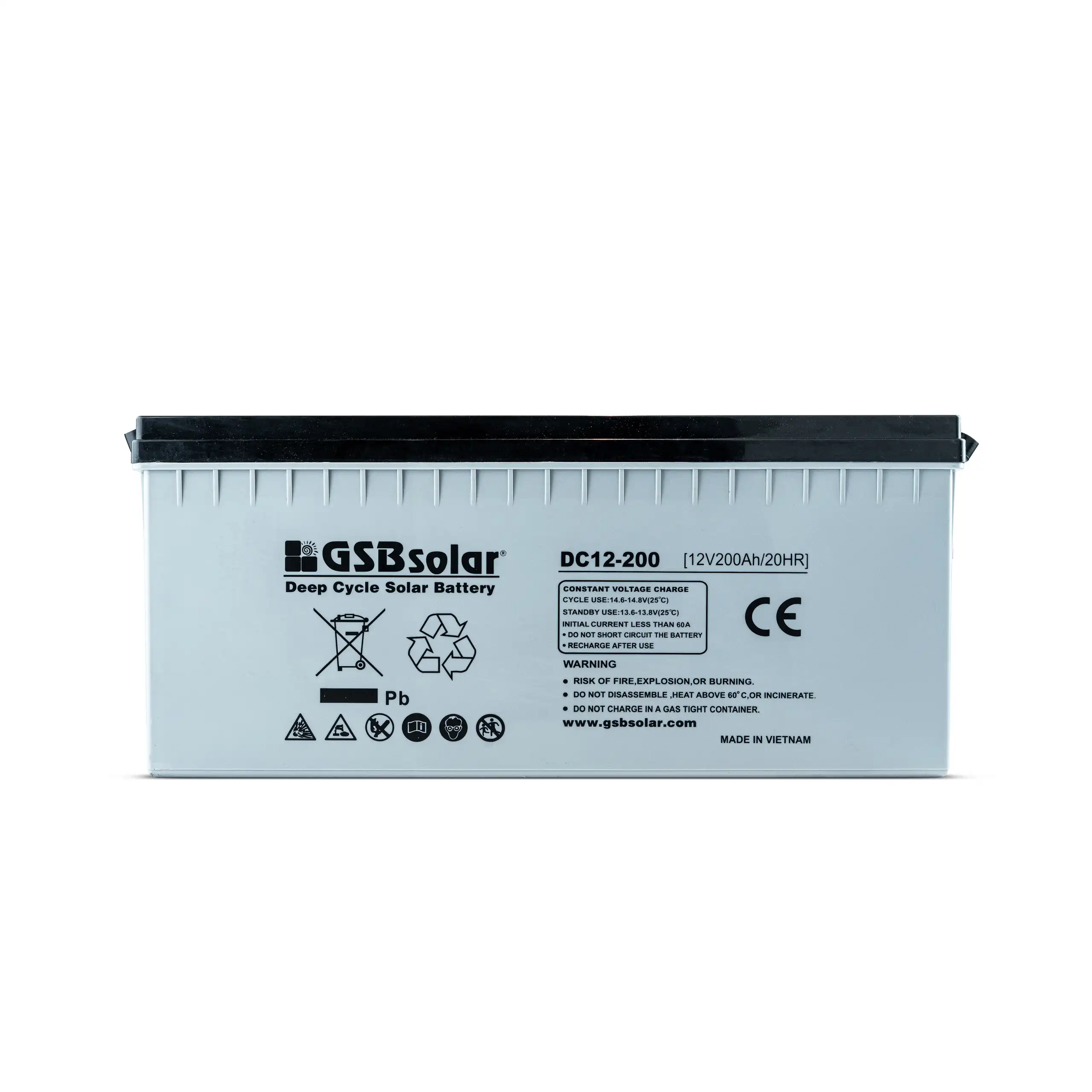
GSB SOLAR LITHIUM BATTERIES
- Gel Battery
- Solar Street Lights
- Pump Inverter
China’s solar manufacturing sector remains central to the global clean energy market. This guide examines the China Top 10 Solar Panel Kit Suppliers in 2026.
A reliable solar panel kit is more than a panel and an inverter. It may include mounting rails, cables, connectors, batteries, and monitoring equipment. Each component affects safety, output, installation time, and long-term value. Real-world performance also depends on climate, roof direction, shading, and maintenance.
IEA Executive Director Fatih Birol described solar power clearly: “Solar is the new king of electricity markets.” His observation explains the growing importance of dependable suppliers. However, popularity alone does not prove quality. Buyers should inspect independent test reports, warranty conditions, factory experience, production capacity, and after-sales support. Certification requirements also vary between markets.
This overview compares suppliers through practical criteria. These include module efficiency, inverter compatibility, battery options, customization, shipment reliability, and technical service. Factory audits and installer feedback can reveal details that product brochures often omit. A supplier may offer impressive efficiency figures but weak communication after delivery. That risk deserves attention.
No ranking is perfect.
Prices change quickly. Component availability shifts. Some suppliers may improve before this article is updated. Therefore, readers should verify current certificates, specifications, warranties, and local compliance requirements before purchasing. The strongest solar panel kit supplier is not always the largest company. It is the partner that delivers consistent products, clear documentation, and useful support throughout the system’s operating life.
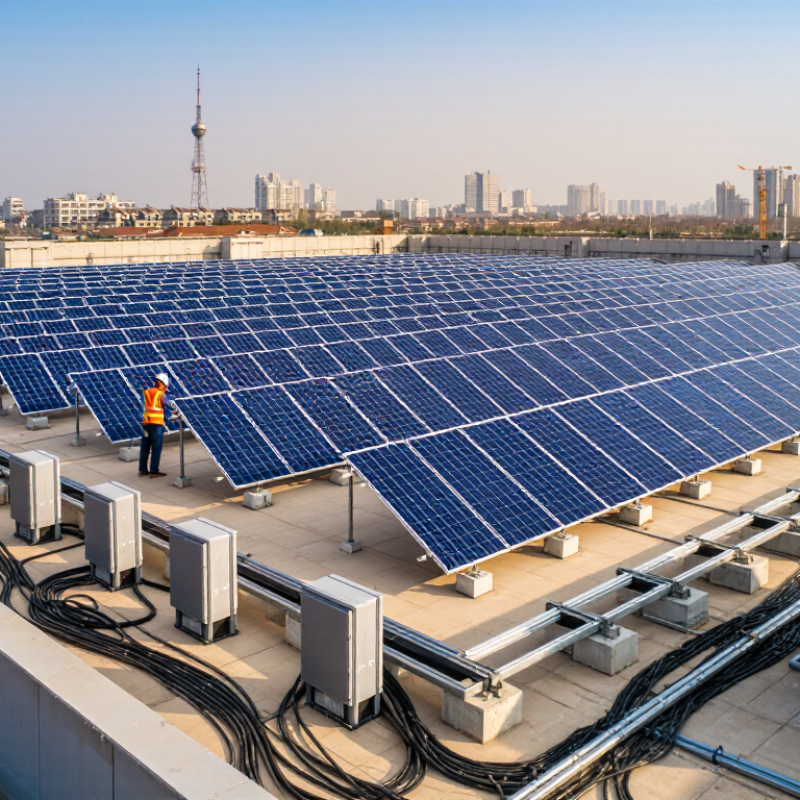
China’s solar panel kit market is becoming more integrated in 2026. Suppliers now combine panels, inverters, mounting rails, cables, and monitoring devices. This approach reduces installation errors and shortens project preparation time. Residential buyers often prefer compact kits for balconies, rooftops, and small rural buildings. Commercial users usually request larger systems with battery storage and stronger monitoring functions.
China remains important because its manufacturing network supports competitive pricing and flexible production. However, low prices alone should not define the top 10 suppliers. Buyers need to examine product testing, warranty terms, factory experience, delivery records, and technical support. A reliable supplier should provide clear electrical specifications and traceable quality documents. Local grid rules also matter. A kit suitable for one country may require different inverters or protection settings elsewhere. This detail is sometimes overlooked.
Tips: Compare complete system costs, not only panel prices. Ask for test reports, installation drawings, and spare-part policies. Check whether the supplier can support remote troubleshooting after delivery. Battery safety deserves careful attention. It is easy to trust attractive claims, but real project evidence is more useful. Some suppliers still need improvement in after-sales communication and recycling guidance. Buyers should allow time for independent inspection, even when the order seems simple.
| Rank | Supplier Category | Typical Kit Configuration | Primary Cell Technology | Typical Module Power | Typical Module Efficiency | Common Application | Export Readiness | 2026 Market Role |
|---|---|---|---|---|---|---|---|---|
| 1 | Utility-Scale Kit Supplier | Large-format modules, central or string inverters, mounting structures, and monitoring | N-type TOPCon | 570–720 W | 22.0–24.0% | Ground-mounted solar farms | Very High | Lowest levelized energy cost |
| 2 | Commercial Rooftop Kit Supplier | Modules, three-phase inverter, roof mounting, cables, and protection devices | N-type TOPCon | 540–630 W | 21.5–23.5% | Factories and warehouses | Very High | Distributed commercial generation |
| 3 | Residential Rooftop Kit Supplier | 430–600 W modules, hybrid inverter, household battery option, and roof hardware | N-type TOPCon | 430–600 W | 21.0–23.5% | Homes and small buildings | High | Self-consumption and backup power |
| 4 | Hybrid Solar-plus-Storage Supplier | PV modules, hybrid inverter, lithium iron phosphate battery, and energy-management system | N-type TOPCon | 430–630 W | 21.0–23.5% | Homes, microgrids, and backup systems | High | Higher self-consumption and resilience |
| 5 | Off-Grid Solar Kit Supplier | PV modules, MPPT controller, battery bank, inverter, and optional DC appliances | TOPCon or PERC | 100–550 W | 19.0–23.0% | Remote homes and rural electrification | High | Reliable electricity without grid access |
| 6 | Balcony and Plug-in Kit Supplier | One or two compact modules, microinverter, balcony mounting, and monitoring | Mono PERC or TOPCon | 400–500 W | 20.5–23.0% | Apartments and small terraces | Medium to High | Low-barrier distributed generation |
| 7 | Agricultural and Agrivoltaic Kit Supplier | High-power modules, elevated structures, agricultural cabling, and monitoring | N-type TOPCon | 540–720 W | 21.5–24.0% | Farms, greenhouses, and livestock facilities | High | Dual use of land and renewable generation |
| 8 | Portable Solar Kit Supplier | Foldable or rigid panels, portable power station, charge controller, and accessories | Mono PERC or TOPCon | 50–450 W | 19.0–23.0% | Camping, emergency power, and field work | High | Mobile and emergency energy access |
| 9 | OEM and Private-Label Kit Supplier | Configurable modules, inverter, mounting, packaging, labels, and documentation | TOPCon, PERC, or HJT | 100–720 W | 19.0–24.5% | Distributors and project developers | Very High | Flexible procurement and customization |
| 10 | Specialty and Lightweight Kit Supplier | Lightweight, flexible, glass-glass, or building-integrated modules with tailored mounting | Thin-film, HJT, or lightweight mono | 100–550 W | 16.0–23.5% | Curved roofs, vehicles, façades, and weight-sensitive sites | Medium to High | Expanding applications beyond conventional rooftops |
Data note: The table uses China-market product ranges and technology characteristics commonly reported for 2024–2026 procurement planning. Actual specifications, certifications, warranty terms, pricing, and export compliance vary by project, destination market, and purchase contract. The ranking reflects market segment relevance rather than named-company market share.

China Top 10 Solar Panel Kit Suppliers in 2026?
The selection process focuses on evidence, not visibility. China remains central to solar manufacturing, supplying nearly 60% of global renewable capacity expansion through 2030, according to the IEA Renewables 2024 report. This scale creates options, but it also makes comparison harder. We reviewed production capacity, kit completeness, export experience, and documented quality controls. A supplier needed to provide panels, inverters, mounting parts, cables, and clear technical specifications.
Performance data carried greater weight than promotional claims. The IEA PVPS Trends 2024 report recorded more than 400 GW of global photovoltaic additions in 2023, increasing pressure on suppliers to deliver reliable equipment at scale. We checked module efficiency, temperature coefficients, degradation warranties, and applicable safety certifications. Shipment records and replacement procedures were also examined. Small details matter, such as connector compatibility and whether a mounting manual matches the supplied hardware.
Price was not treated as the main ranking factor. A cheaper kit may create hidden costs through missing components, weak packaging, or delayed support. Warranty language was reviewed carefully, although this remains imperfect because some terms are difficult to compare across markets. We also considered independent test results and customer evidence where available. No list can remove every uncertainty. Factory audits, sample testing, and local installation experience can still reveal problems after publication.
How the Top 10 Chinese Solar Panel Kit Suppliers Were Selected
The ranking framework evaluates suppliers using practical purchasing factors rather than company or brand exposure. Product quality and manufacturing capability receive the highest weights, followed by certifications, warranty coverage, kit completeness, export experience, and after-sales support. The percentages represent the editorial scoring model used to compare the top 10 suppliers.
China’s top ten solar panel kit suppliers in 2026 represent different manufacturing strengths and customer needs. One coastal supplier focuses on compact rooftop kits, using aluminum frames and prewired connectors for faster installation. A second specializes in off-grid systems, combining panels, batteries, charge controllers, and low-voltage protection. Its instruction manuals are unusually practical.
A third supplier develops portable kits for camping, emergency power, and mobile workspaces. A fourth serves rural distributors with economical packages and replacement parts. The fifth produces balcony systems, including microinverters and adjustable mounting rails. A sixth targets farms with weather-resistant kits for water pumps, lighting, and monitoring equipment. A seventh offers cold-climate packages, testing battery performance below freezing. Results can vary by battery chemistry.
The eighth profile is a commercial supplier offering larger kits with string inverters, combiner boxes, and monitoring software. The ninth builds custom systems for workshops, warehouses, and small public facilities. Its engineering team reviews roof loading before recommending equipment. The tenth concentrates on export support, providing multilingual documents, factory inspection access, and batch-level testing records.
In practice, supplier quality depends on more than panel efficiency. Buyers should verify cell grade, power tolerance, inverter certification, warranty terms, and spare-part availability. Sample testing remains valuable, even when factory documents appear complete. Some suppliers communicate quickly but provide vague technical evidence. That is a warning sign. Delivery schedules also deserve scrutiny, because seasonal demand can change production timelines. Reliable evaluation requires comparing real samples, written specifications, and after-sales response.
China’s leading solar panel kit suppliers in 2026 offer several product combinations. Standard kits include monocrystalline panels, microinverters, cables, and roof mounting hardware. Hybrid kits add lithium batteries for evening loads and backup power. Portable kits usually use folding panels, compact controllers, and small storage units.
Current technologies include N-type TOPCon, heterojunction, and half-cell designs. TOPCon often provides strong efficiency at moderate prices. Heterojunction performs well in hot conditions, but usually costs more. A household kit may cost roughly 0.35 to 0.80 US dollars per watt before shipping and installation. Battery systems can add 2,000 to 8,000 dollars, depending on capacity and control equipment. Prices vary sharply. Freight, tariffs, and local labor can change the final figure.
Certification documents deserve careful checking. Panels should generally show IEC 61215 and IEC 61730 testing, covering performance and electrical safety. Inverters may require IEC 62109, IEC 62116, or regional grid approvals. CE marking can support European sales, but it is not a complete quality guarantee. ISO 9001 indicates a documented management system, not flawless manufacturing. Ask for factory test reports, warranty terms, serial-number traceability, and degradation data. Some suppliers present impressive laboratory results, yet field performance may differ. That gap needs attention. A practical review should compare temperature coefficients, connector compatibility, battery cycle life, and after-sales response before selecting any supplier.
China Top 10 Solar Panel Kit Suppliers in 2026?
Choosing a Chinese solar panel kit supplier requires more than comparing prices. Check the supplier’s manufacturing experience, product certificates, and quality-control records. Ask for current test reports, not old files copied into a sales folder. A reliable supplier should explain panel efficiency, inverter compatibility, battery safety, and expected output in cloudy weather. Factory photos help, but an independent audit is stronger evidence. Request sample kits before placing a large order. Test connectors, mounting parts, cable length, and installation instructions. Small details matter.
Tips: Compare warranty terms carefully. Confirm who handles defective products, shipping damage, and technical support. Ask whether replacement parts remain available for several years. Review payment conditions and production lead times in writing. Check export experience for your destination market, including packaging standards and required documents. Do not trust unusually low quotations without checking material grades and component sources. A cheaper kit may create higher installation costs later.
I once assumed a long warranty meant strong protection. That assumption was incomplete. The warranty may exclude labor, transport, or battery capacity loss. No checklist is perfect. Speak with recent customers and request verifiable references. A supplier that answers technical questions clearly usually understands its products. Still, communication can change after payment, so keep specifications, inspection rules, and acceptance standards in the contract. Evaluate ten suppliers using the same scorecard, then compare evidence rather than promises.