2026 Best Solar Warehouse Suppliers for Global Buyers

The global solar market is expanding quickly, but reliable warehouse supply remains uneven. IRENA’s Renewable Capacity Statistics 2025 recorded nearly 452 GW of new solar capacity in 2024. Total installed solar capacity reached about 1,865 GW worldwide. These figures create strong demand for panels, inverters, mounting systems, batteries, and replacement parts.

A capable solar warehouse must offer more than large inventory. Buyers need verified product certificates, stable batch quality, clear warranty terms, and accurate delivery schedules. The IEA’s Renewables 2024 report expects global renewable capacity to grow by approximately 5,500 GW by 2030, with solar PV providing most new additions. That growth will test storage space, inventory software, regional transport, and after-sales support.

Fatih Birol, Executive Director of the International Energy Agency, said, “Solar PV is now the cheapest source of electricity in history.” His statement explains the market’s momentum, but price alone cannot define the best supplier. A low-cost module with unclear traceability may create expensive delays at the project site. I have seen buyers focus heavily on unit price, then discover missing connectors or inconsistent packaging. That mistake deserves reflection.

This guide evaluates the 2026 best solar warehouse suppliers for global buyers. It considers stock depth, technical documentation, quality controls, shipping coverage, response speed, and practical buyer experience. Regional availability still matters. A supplier may look excellent on paper, yet fail when a container arrives late or a warranty claim lacks evidence.

2026 Best Solar Warehouse Suppliers for Global Buyers

Solar Warehouse Suppliers: Definition, Scope, and Global Market Role

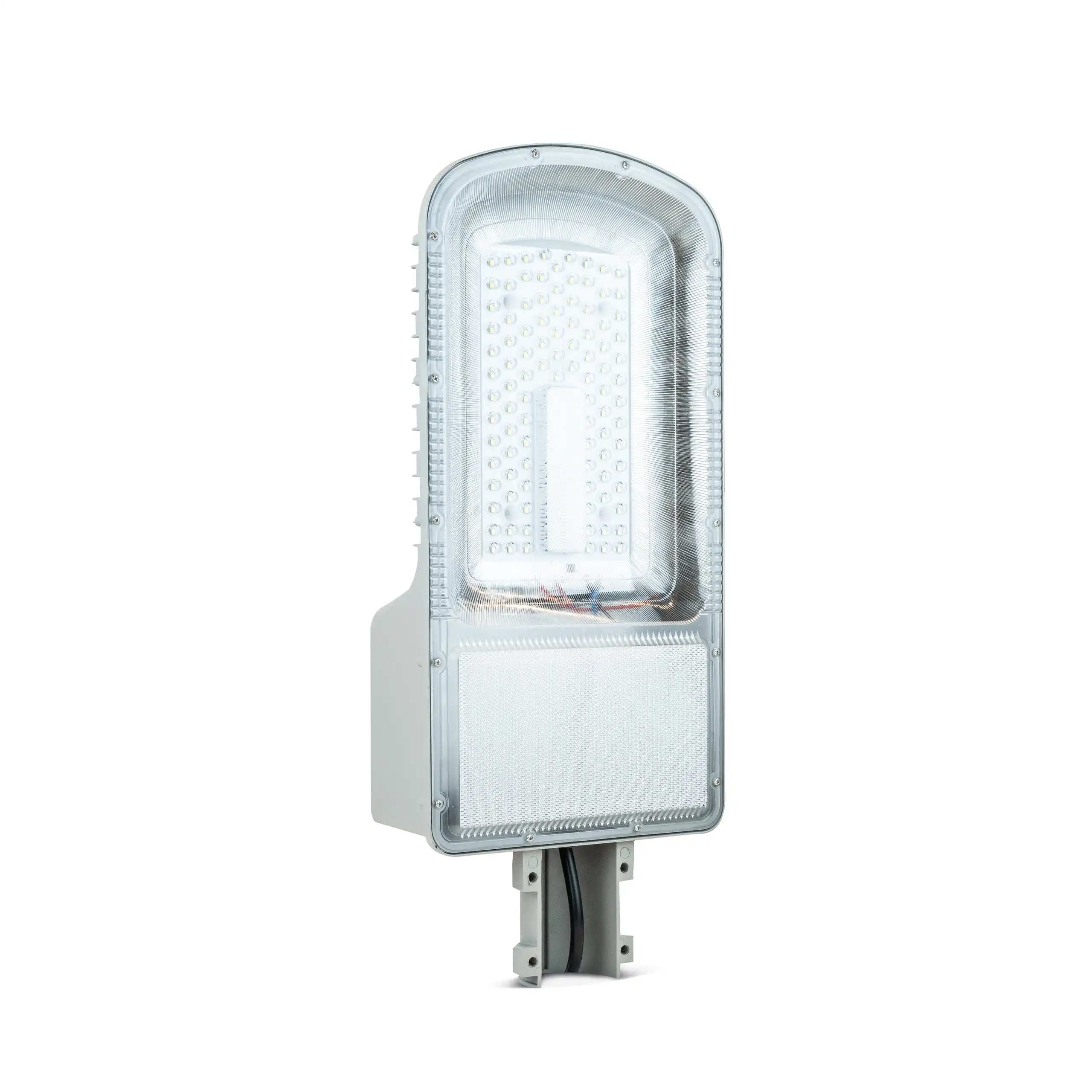
Solar warehouse suppliers are specialized distributors that store, verify, and deliver photovoltaic equipment across regional or international markets. Their scope can include modules, inverters, mounting systems, batteries, cables, and monitoring devices. Unlike ordinary wholesalers, they manage technical specifications, batch records, packaging, lead times, and after-sales documentation.

Their global role is expanding with deployment. IRENA’s Renewable Capacity Statistics 2025 reported about 452 gigawatts of new solar capacity added worldwide in 2024. Solar therefore represented most new renewable capacity growth. The IEA’s Renewables 2024 report also expects solar power to lead renewable expansion through 2030. This growth makes warehouses more than storage locations. They act as risk-control points between manufacturers, installers, financiers, and local authorities.

Reliable suppliers should show clear product certificates, serial-number traceability, warranty procedures, and documented quality inspections. They should understand grid rules and climate conditions in each destination. A humid coastal project needs different packaging discipline from a dry inland site. Delivery speed matters, but rushed purchasing can create hidden costs. Product availability is not proof of suitability. Forecasts are useful, yet they can fail when policies, freight rates, or project schedules change.

Tips: Request recent inventory data, not only a product catalogue. Check whether serial numbers match shipping documents. Compare total landed cost, warranty support, and replacement time. Also ask how damaged units are handled. Small omissions can become expensive delays.


Key Supplier Types and Solar Products Available from Warehouses

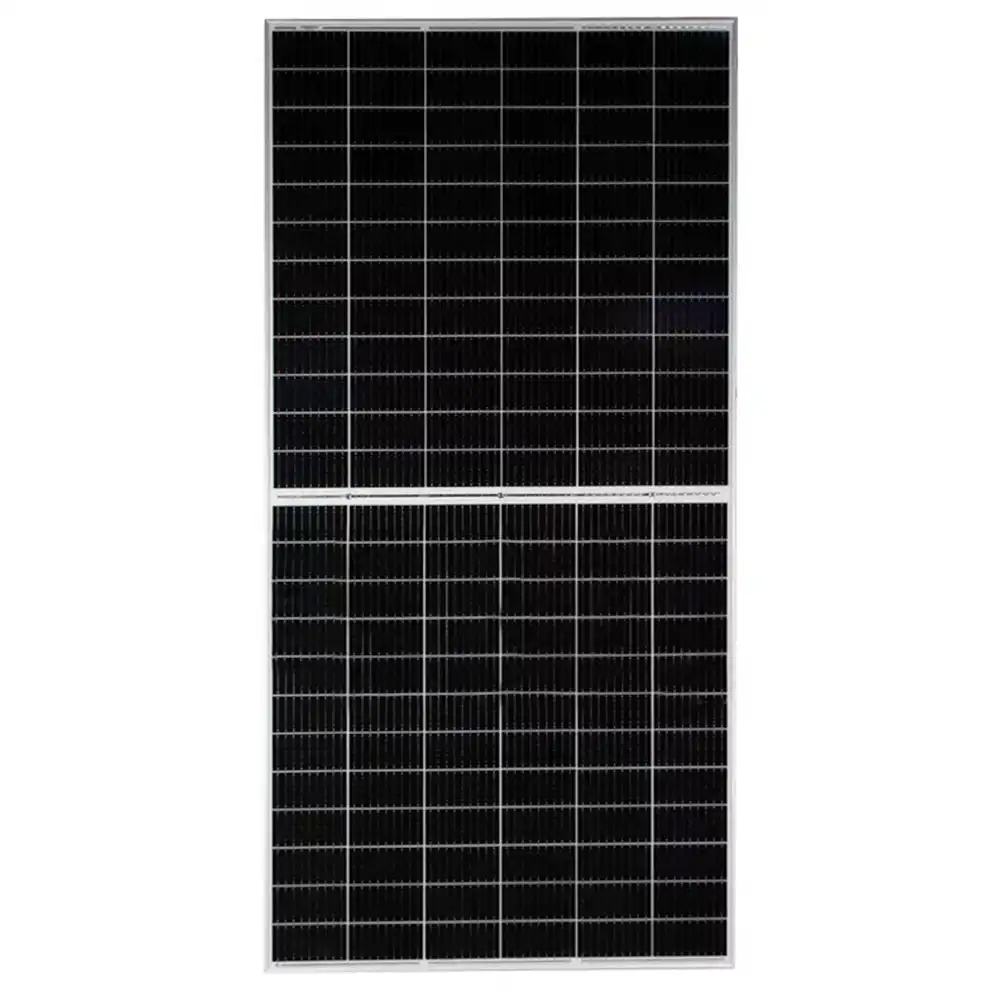
Global solar buyers usually work with three warehouse supplier types: manufacturer-direct facilities, regional distributors, and project-focused integrators. Manufacturer-direct warehouses often offer container-scale module orders and consistent production batches. Regional distributors keep mixed inventory for faster delivery and smaller purchases. Project integrators may bundle modules, inverters, batteries, mounting rails, cables, and monitoring devices. Their packing lists can reduce coordination work, but bundled pricing deserves careful checking. Stock matters. Yet availability alone proves little.

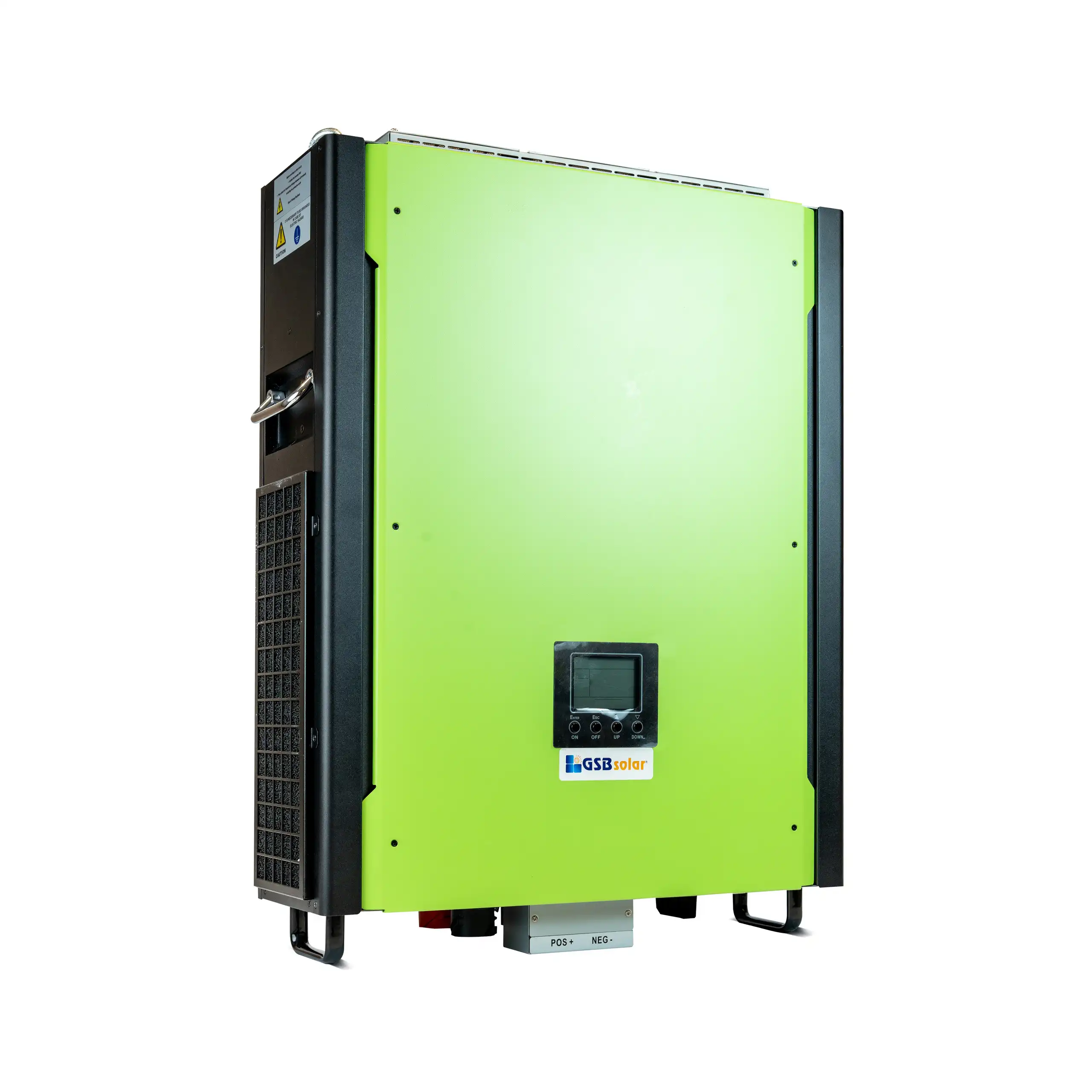
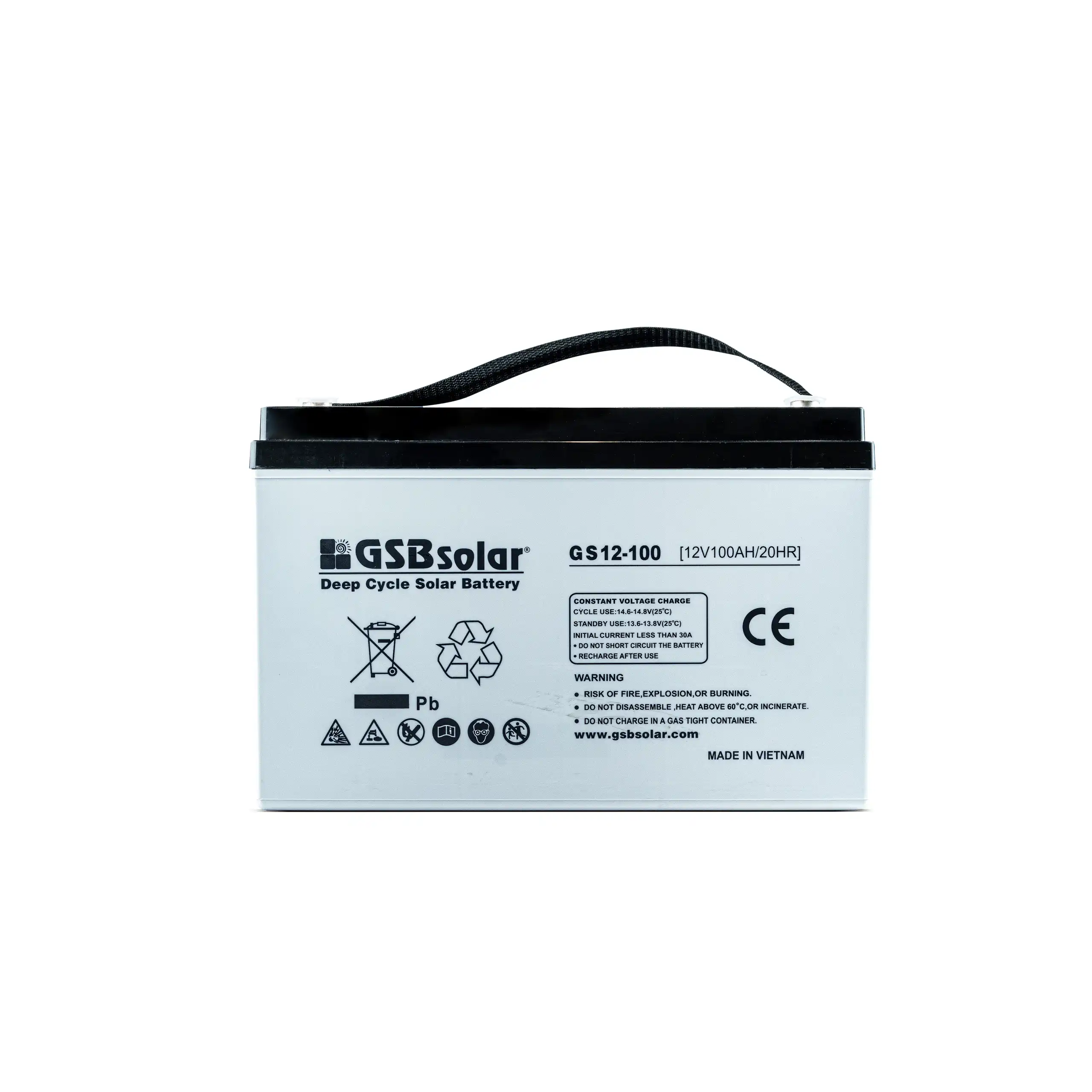
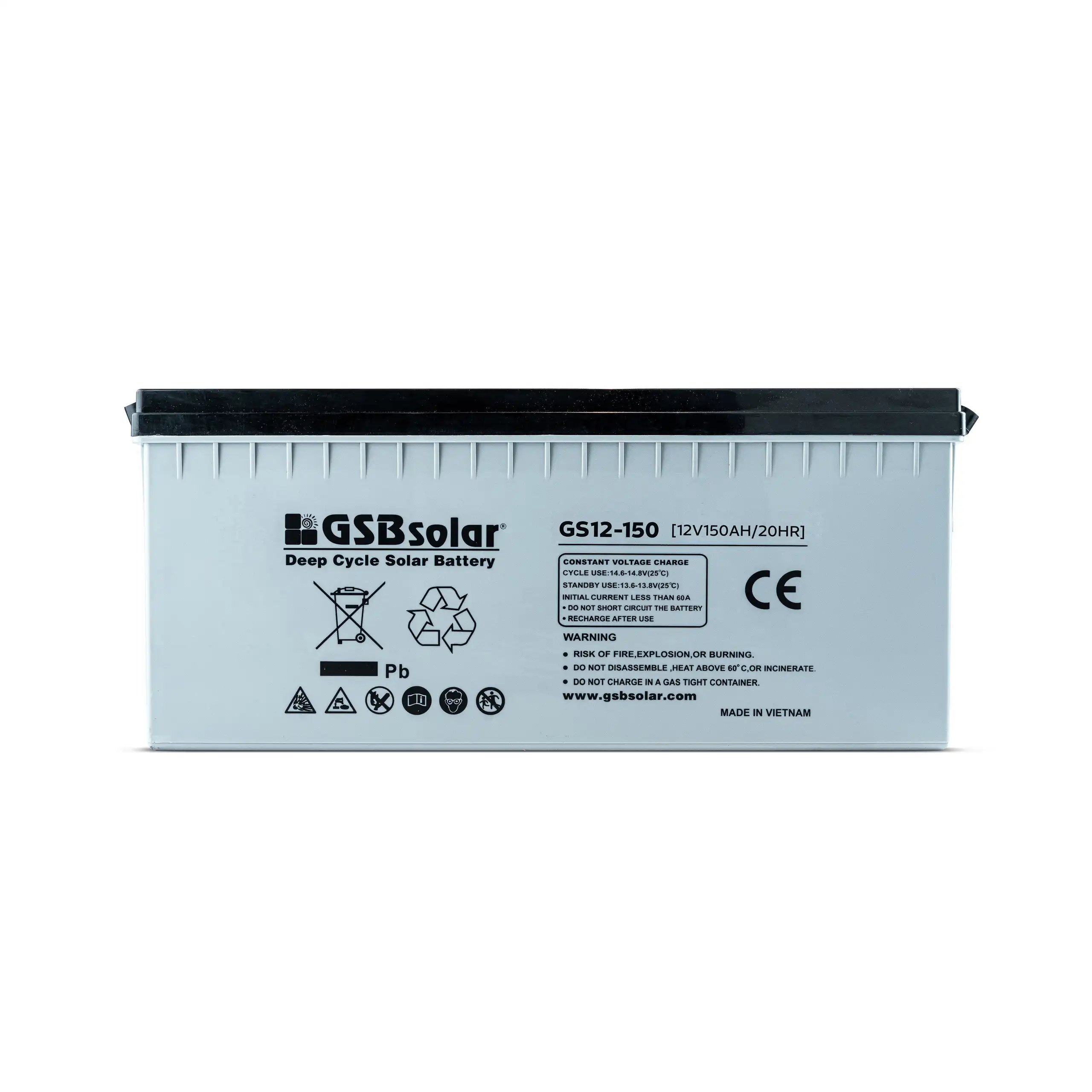
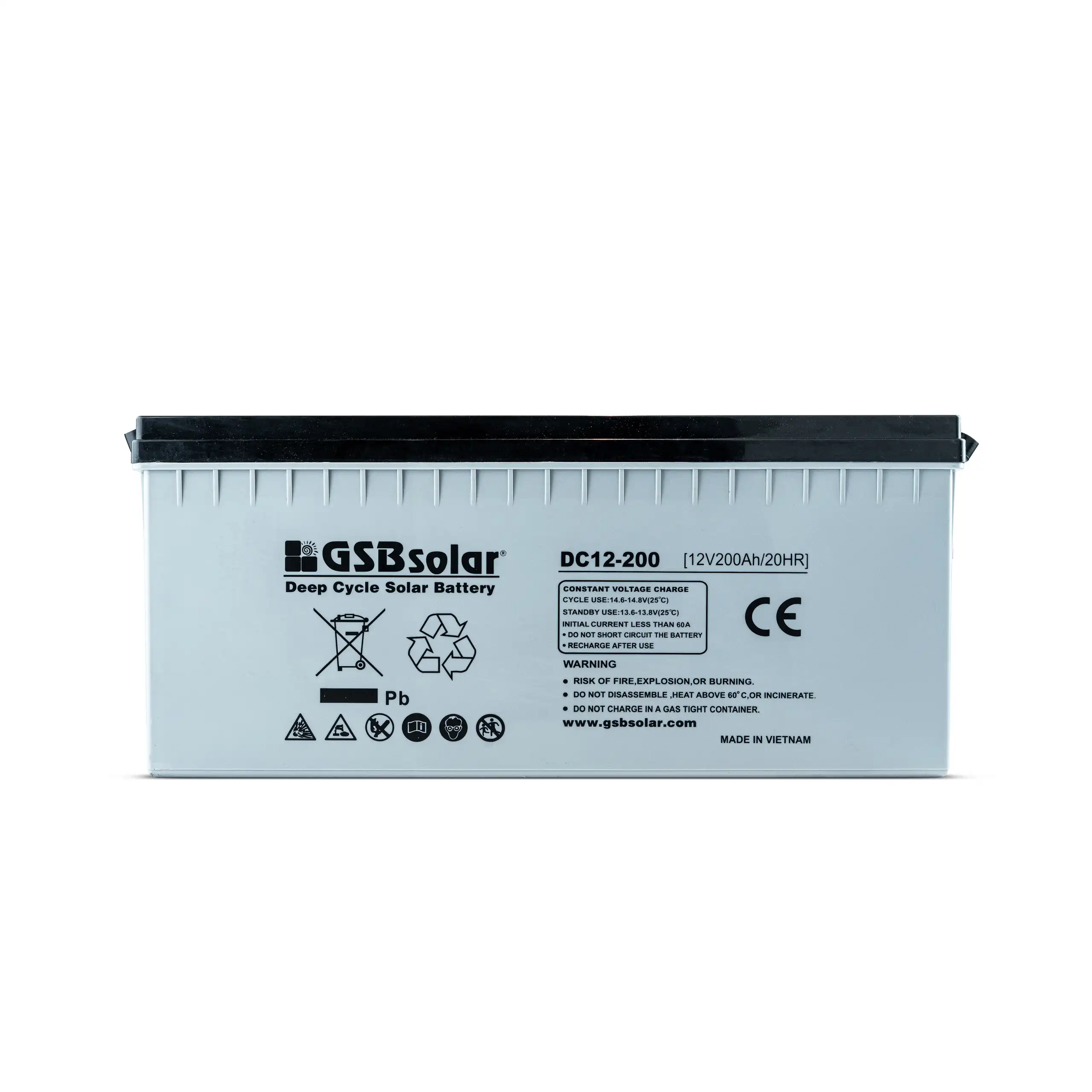
A serious warehouse should provide serial-number records, product datasheets, warranty terms, and traceable inspection reports. Buyers should verify module wattage, cell technology, dimensions, pallet quantity, and visible damage before loading. For inverters, check grid compatibility, voltage range, communication ports, and local certification requirements. Battery orders matter. Confirm chemistry, usable capacity, thermal controls, transport documentation, and storage temperature. Standards differ across markets, so one certificate may not satisfy every authority.

Physical details reveal more than polished quotations. Look for dry floors, covered pallets, intact cartons, and labels matching the invoice. Check every label. Ask how long products have been stored. Older stock may carry reduced warranty time or hidden degradation. A low price can be useful, but it can also reflect slow-moving inventory. Buyers sometimes focus too heavily on module cost. Freight, taxes, replacement parts, and after-sales response can change the real project budget. No warehouse is perfect; even careful checks can miss a damaged connector.

How to Evaluate Quality, Certification, Pricing, and Stock Reliability

For global buyers, supplier evaluation should begin with evidence, not a polished catalogue. The IEA PVPS Trends in Photovoltaic Applications 2024 report recorded about 456 GW of new photovoltaic capacity in 2023. That scale increases competition, but it also makes quality differences harder to see. Request IEC 61215 and IEC 61730 certificates, then verify their scope, validity, and issuing laboratory. ISO 9001 supports process control, but it does not prove module performance.

Pricing needs a delivered-cost comparison. Include freight, insurance, duties, testing, packaging, and local handling charges. A low unit price can become expensive after delays or replacement claims. Ask for flash-test data, degradation rates, product warranty terms, and serial-number traceability. The Renewable Energy Agency reported solar capacity additions of roughly 346 GW in 2023, showing how rapidly supply chains are expanding. However, market growth does not guarantee consistent manufacturing discipline.

Stock reliability deserves physical verification. Request current inventory by model, production month, warehouse location, and available quantity. Check whether cartons show moisture damage, crushed corners, or mixed production batches. Ask for historical lead-time and on-time delivery records, not only promised dates. An independent factory audit can examine incoming materials, EL testing, packing, and complaint handling. I would still avoid absolute confidence: reports can be selective, and even a good supplier may struggle during port congestion. A small trial order often reveals more than a persuasive meeting.

2026 Best Solar Warehouse Suppliers for Global Buyers - How to Evaluate Quality, Certification, Pricing, and Stock Reliability

A practical, brand-neutral evaluation framework based on internationally recognized standards, common solar-product specifications, and verifiable procurement benchmarks.
Evaluation Dimension Recommended Benchmark What the Buyer Should Verify Why It Matters for Global Purchasing Suggested Weight
PV Module Quality Conformity with IEC 61215 for design qualification and IEC 61730 for module safety. Obtain current test reports, certificate scope, product model numbers, factory identification, and serial-number traceability. These standards address design qualification, environmental durability, electrical safety, and construction risks for crystalline-silicon photovoltaic modules. 15%
Inverter Safety and Grid Compliance Applicable safety and grid-interconnection documentation, such as IEC 62109-1/-2, IEC 62116, or market-specific requirements. Confirm the exact inverter model, output voltage, frequency range, anti-islanding test evidence, protection functions, and destination-country approval. Certification requirements differ by market. A product suitable for one grid may not be legally or technically acceptable in another. 12%
Environmental Protection Outdoor equipment should normally carry an enclosure rating appropriate to its installation location, commonly IP65 or higher for many inverter applications. Check the enclosure-rating certificate, operating-temperature range, humidity limits, corrosion classification, and installation instructions. Incorrect environmental ratings can increase water ingress, corrosion, overheating, and warranty risks in coastal, desert, or tropical projects. 8%
Certification Authenticity Certificates must be issued by a recognized testing or certification body and remain valid for the exact product model and manufacturing site. Cross-check certificate numbers directly through the issuer's public database whenever available; do not rely only on a supplier-provided PDF. Generic certificates, expired documents, and certificates covering a different model are common causes of customs, permitting, and insurance problems. 12%
Factory and Process Control An ISO 9001-certified quality-management system is a useful baseline, but it should not replace product testing. Review the certificate scope, audit date, production-line controls, incoming-material inspection, electroluminescence testing, flash testing, and corrective-action records. Consistent process control reduces power-tolerance deviations, hidden cell defects, connector failures, and shipment-to-shipment variation. 10%
Price Transparency A comparable quotation should state product model, power rating, quantity, packaging, payment terms, currency, delivery term, and validity period. Request a line-item quotation under the same Incoterms® rule, destination, order volume, and delivery schedule from each shortlisted supplier. The lowest unit price may exclude inland freight, export handling, insurance, duties, testing, pallet charges, or destination delivery costs. 12%
Total Landed Cost Compare product price plus freight, insurance, duties, taxes, port charges, inspection, customs clearance, and local delivery. Build a landed-cost model using the actual destination country, HS classification, shipment dimensions, gross weight, and expected delivery route. Solar equipment is often bulky and heavy; logistics and import costs can materially change the final project economics. 8%
Stock Reliability Prefer suppliers that provide live or recently verified inventory, batch allocation, and a documented replenishment schedule. Ask for warehouse location, available quantity, stock age, production batch, reserved stock policy, and a time-stamped inventory confirmation. Available stock reduces project delays, but old or improperly stored products may create quality and warranty concerns. 12%
Lead-Time Performance Separate ready-stock dispatch time from factory-production lead time and transit time. Review historical on-time delivery data, promised-versus-actual shipment dates, booking procedures, and delay-notification rules. Clear lead-time definitions help buyers coordinate construction, grid applications, installation teams, and working capital. 8%
Packaging and Transit Protection Packaging should be suitable for containerized transport, repeated handling, humidity exposure, and stacking conditions. Verify pallet design, corner protection, moisture control, shock indicators where appropriate, carton labeling, and loading photographs. Transport damage can create hidden microcracks, broken glass, bent frames, damaged connectors, and costly claims after arrival. 6%
Warranty and After-Sales Support The warranty must identify coverage period, exclusions, claim procedure, responsible legal entity, remedy, and transportation obligations. Request the complete warranty document rather than a marketing summary, and confirm whether support remains available after a distributor changes ownership. A long headline warranty has limited value if claim evidence, replacement logistics, labor coverage, and governing law are unclear. 10%
Product Traceability Every shipment should be traceable by model, batch, serial number, production date, and destination documentation. Check whether serial numbers appear consistently on the product, packing list, invoice, warranty record, and digital verification system. Traceability supports recalls, insurance claims, warranty processing, customs review, and long-term asset management. 5%
Payment and Commercial Risk Use staged payments linked to verifiable milestones; high-value orders should include inspection and dispute provisions. Evaluate the legal contracting entity, bank-account consistency, refund terms, inspection rights, credit references, and protection against unauthorized account changes. Commercial controls reduce exposure to non-delivery, counterfeit documentation, quality disputes, and payment fraud. 7%
Supplier Scorecard Result Select suppliers using a weighted score rather than price alone. Score each category from 1 to 5, multiply by the suggested weight, and document any mandatory pass/fail requirements for the destination market. A weighted score balances technical compliance, landed cost, delivery dependability, documentation quality, and long-term service capability. 100%
Buyer note: Certification names and import requirements vary by product type and destination country. Always verify the current rules with the relevant grid authority, customs authority, accredited testing body, insurer, and local installation professional before placing an order.

Global Shipping, Customs, Warranties, and After-Sales Service

2026 Best Solar Warehouse Suppliers for Global Buyers

Global buyers should judge warehouse suppliers by delivery control, not catalog size. IRENA’s Renewable Capacity Statistics 2024 recorded about 353 GW of solar additions in 2023. That scale makes reliable logistics essential. Suppliers should offer container loading photos, pallet dimensions, serial-number lists, and realistic port schedules. Customs paperwork must match the cargo exactly, including commercial invoices, packing lists, certificates of origin, and validated HS classifications. Small errors can stop a container. Delays are expensive.

UNCTAD’s Review of Maritime Transport 2024 highlights continuing exposure to rerouting, congestion, and freight volatility. A capable supplier therefore provides several shipping options, clear Incoterms, cargo insurance details, and backup ports. The World Bank’s Logistics Performance Index 2023 also shows that customs efficiency and shipment reliability vary sharply between markets. Buyers need local broker coordination, not generic promises. Ask who handles damaged cartons at the destination.

Warranty quality requires evidence. IEA Renewables 2024 expects solar PV and wind to represent 95% of renewable capacity expansion through 2030, increasing pressure on after-sales teams. Suppliers should provide serial-based warranty registration, inspection procedures, response times, and replacement policies. Independent test reports and conformity documents matter. Keep evidence. A practical weakness remains: some suppliers promise long warranties but lack regional stock or trained technicians. Buyers should test one claim before placing a large order, because a polished contract cannot repair a missing panel during peak installation season.

Step-by-Step Process for Choosing the Best Supplier in 2026

2026 Best Solar Warehouse Suppliers for Global Buyers

Step-by-Step Process for Choosing the Best Supplier in 2026

Choosing a solar warehouse supplier in 2026 requires more than comparing unit prices. Begin by defining your project needs, including panel type, inverter capacity, battery storage, delivery region, and expected monthly volume. Ask suppliers for current stock lists, production dates, packaging details, and realistic lead times. A low price means little if damaged pallets arrive late.

Shortlist suppliers with verifiable technical documents and a clear quality process. Request product samples, inspection reports, warranty conditions, and safety certifications relevant to your market. Certificates need verification. Check whether the document matches the exact model, not a similar product. Review warehouse photos carefully. Look for dry storage, labeled pallets, covered loading areas, and visible inventory controls.

After technical screening, evaluate commercial reliability. Confirm payment stages, replacement procedures, insurance coverage, customs responsibilities, and support response times in writing. Contact two recent customers if possible, and ask about delivery delays rather than only product quality. A video call can reveal useful details, but it cannot replace an independent inspection. I have seen polished presentations hide weak stock records, so practical evidence matters more than confident promises. Leave room for uncertainty. Weather, port congestion, and sudden demand can still change delivery schedules. Choose the supplier that explains these risks honestly and offers a workable response.

2026 Best Solar Warehouse Suppliers for Global Buyers

Step-by-step supplier selection should prioritize compliance, financial reliability, total delivered cost, inventory availability, product quality, and international logistics. The chart uses a practical 100-point buyer evaluation framework without displaying company or brand data.

Recommended process: verify certifications and documentation, assess financial stability, compare delivered costs, confirm warehouse stock and lead times, review warranty and quality controls, then validate shipping and after-sales support.

Facebook X Instagram Pinterest WhatsApp WhatsApp
We use cookies to improve your experience on our website. By browsing this website, you agree to our use of cookies.