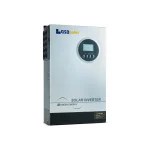
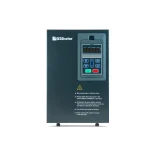
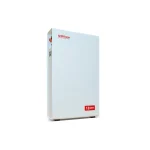
China Best Solar Power Inverter Manufacturers 2026

China’s solar power inverter industry enters 2026 with stronger global expectations and tougher technical demands. In 2023, global photovoltaic additions reached about 456 gigawatts, according to the IEA Photovoltaic Power Systems Programme. That expansion increased demand for reliable inverters, not merely lower prices.

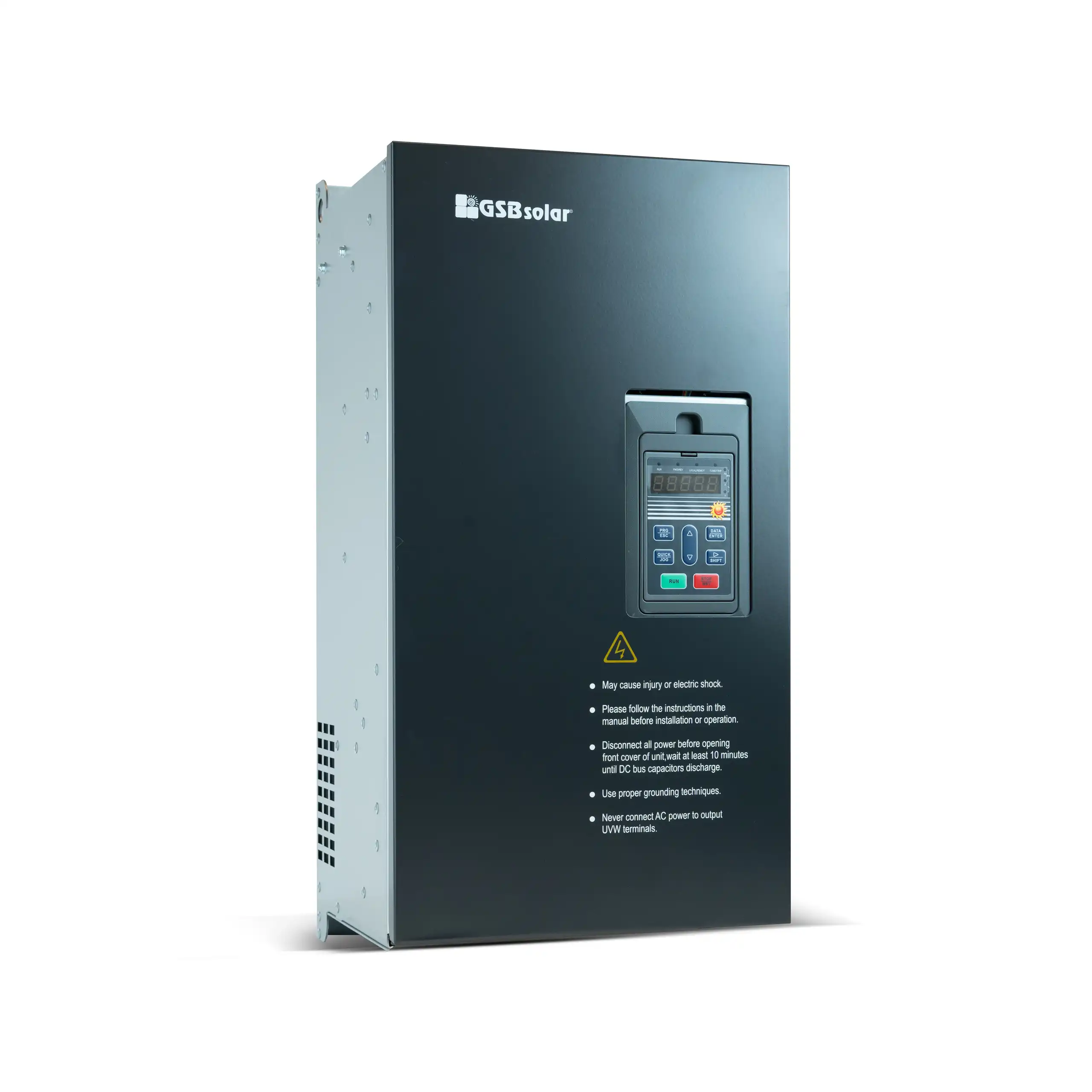
The inverter now manages voltage, frequency, grid support, monitoring, and battery coordination. It is the system’s control center. The International Energy Agency has described solar PV as “growing faster than anything in the history of energy.” Fatih Birol, the IEA’s Executive Director, made that observation while discussing solar’s rapid deployment. His statement also highlights a hidden challenge: every new panel requires dependable power electronics behind it.

Wood Mackenzie reported that the ten largest inverter suppliers held roughly 82% of global shipments in 2023. Chinese manufacturers represented much of this competitive landscape. Their advantages include large-scale production, broad product ranges, and expanding research investment. However, shipment volume does not automatically prove long-term reliability.

This guide examines China’s leading manufacturers for 2026 through efficiency, safety features, software capability, warranty support, certification, and field experience. It also considers residential, commercial, utility-scale, and energy-storage applications. Some rankings remain debatable. Public data can differ between shipment volume, revenue, and installed capacity. That uncertainty matters.

A strong solar power inverter should perform quietly in a hot rooftop enclosure, respond quickly during grid disturbances, and remain serviceable years later. Buyers should verify test reports, service networks, and project references. Marketing claims deserve scrutiny.

China Best Solar Power Inverter Manufacturers 2026

Solar Power Inverter Manufacturing in China: Industry Overview for 2026

China’s solar power inverter industry is entering 2026 with stronger demand for reliable, flexible, and grid-compatible equipment. Manufacturers are developing residential, commercial, and utility-scale inverters with higher conversion efficiency and smarter energy management. Hybrid models are gaining attention because they coordinate solar generation, battery storage, and household loads.

Factory experience shows that efficiency figures alone do not prove product quality. Engineers must examine heat dissipation, component traceability, software stability, and protection against voltage fluctuations. Thermal testing remains essential. A poorly managed enclosure can reduce output during hot summer afternoons. Regular firmware updates also matter, especially as grid requirements become more detailed across export markets.

Manufacturing facilities are adding automated testing lines and digital quality records. These systems can identify insulation faults, abnormal noise, and unstable communication before shipment. However, automation is not perfect. Human inspection still catches loose terminals and unusual assembly errors. That gap deserves attention. Buyers should request independent test reports, production audit evidence, warranty conditions, and clear after-sales procedures. Compliance with applicable safety and electromagnetic standards must be verified for each destination. In 2026, capable Chinese manufacturers will compete through dependable engineering, responsive service, and designs suited to different climates rather than through low prices alone.
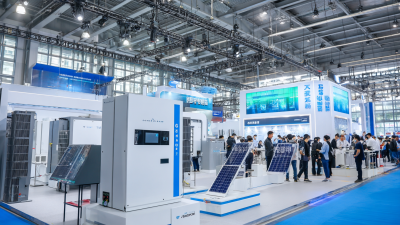
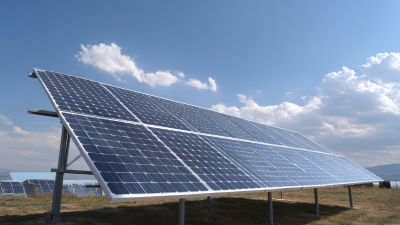
Key Types of Solar Inverters Made by Chinese Manufacturers

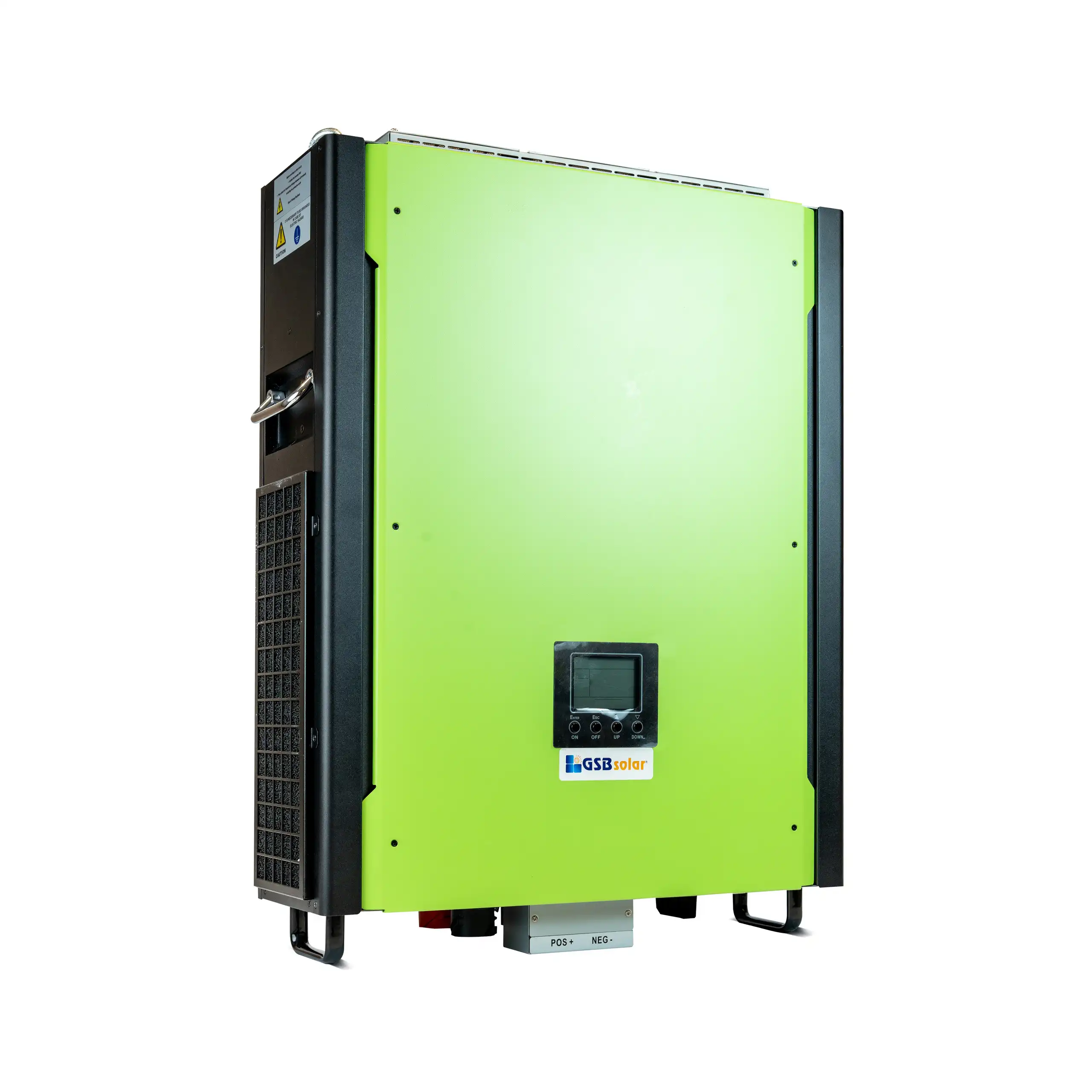
Chinese solar inverter manufacturers produce several key inverter types for projects ranging from village rooftops to large utility plants. String inverters serve distributed systems, using multiple MPPT channels to manage different roof orientations. They are compact, easier to replace, and often suitable for commercial buildings. Central inverters combine many strings into one high-capacity unit. Their lower cost per watt can benefit large solar farms, although one failure may affect a wider block.

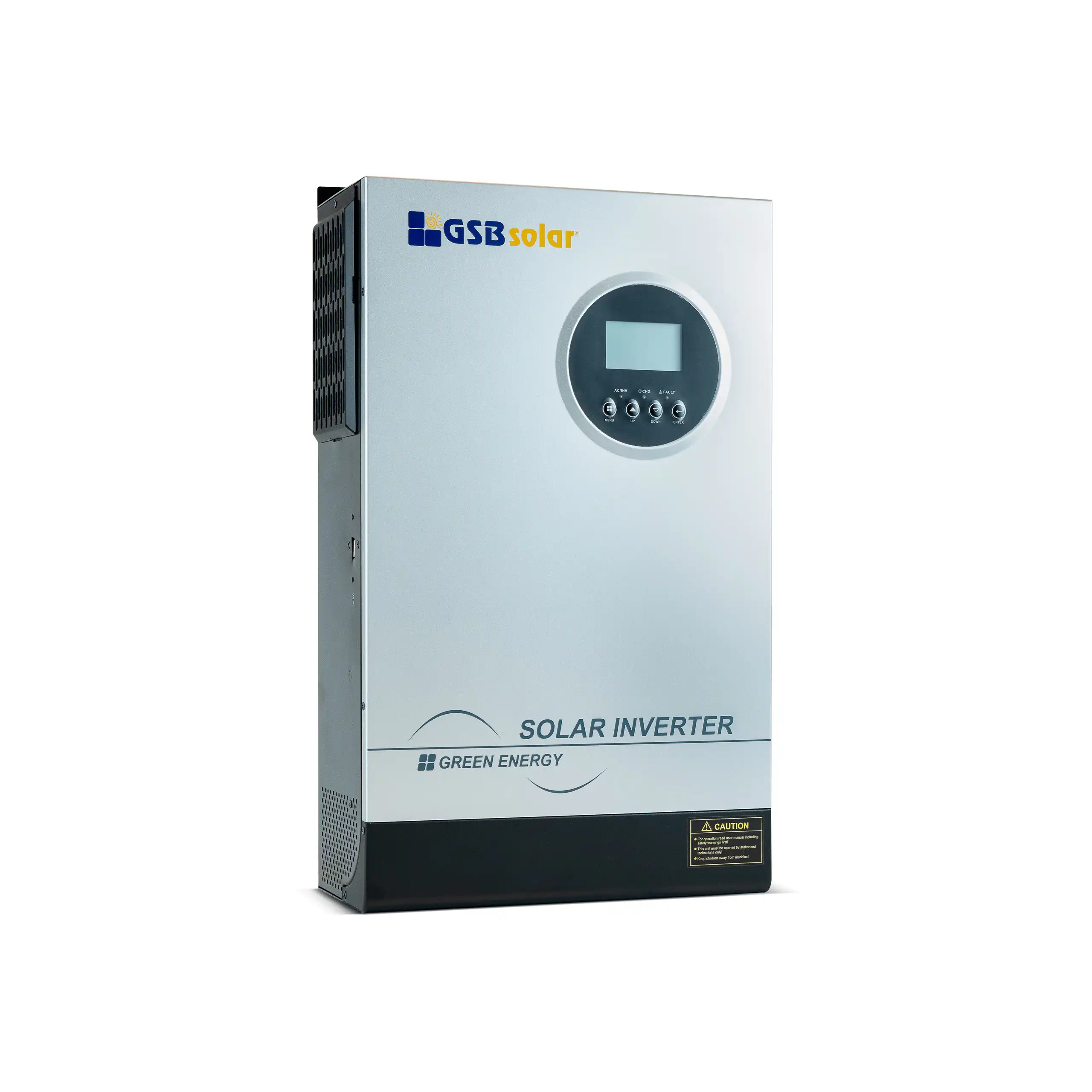
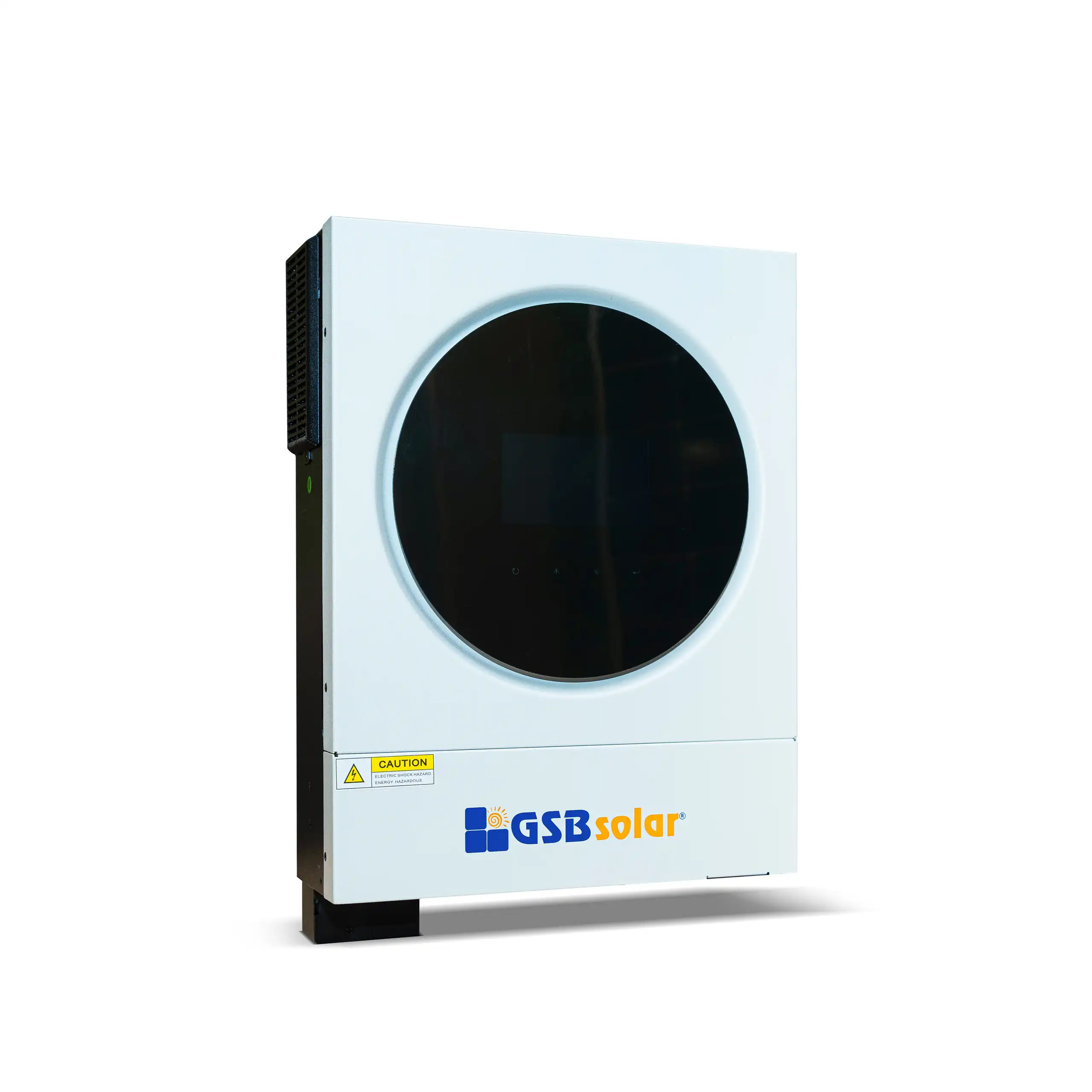
Microinverters sit beneath individual panels and support detailed module-level monitoring. They can improve performance where shadows, uneven roofs, or mixed panel angles exist. Hybrid inverters connect solar panels with batteries and the grid. Their control systems balance charging, backup supply, and export limits. Grid-forming models are also gaining attention for weak-grid and storage projects.

The market is expanding quickly. IEA PVPS Trends 2024 reported more than 400 GW of new solar capacity worldwide in 2023. IRENA recorded solar as the largest source of renewable capacity growth that year. These figures increase demand for safer switching, stronger cooling, and longer service support. Field experience still matters. A high efficiency number cannot reveal poor heat management or unstable software. I would question any specification without independent testing, warranty conditions, and clear operating limits. Sometimes, the less impressive inverter performs better in a dusty equipment room.

How to Evaluate China’s Best Solar Inverter Manufacturers

China Best Solar Power Inverter Manufacturers 2026

Evaluating China’s best solar inverter manufacturers requires more than comparing rated efficiency. IRENA reported 1,419 GW of global solar capacity by the end of 2023. This scale makes reliability, service capacity, and grid compatibility increasingly important. A serious evaluation should examine factory quality controls, production traceability, and independent testing records. Ask for certification against relevant IEC safety and grid standards. Do not rely on laboratory claims alone.

Field experience matters. Inspecters should compare thermal performance, MPPT response, overload behavior, and monitoring stability. A 98% efficiency figure may look impressive, but poor performance at 45°C can reduce annual output. Check temperature derating curves and protection details. Also review warranty length, replacement procedures, spare-parts locations, and response times. These details become very real when an inverter fails during a summer peak.

IEA PVPS reported global photovoltaic additions of more than 400 GW in 2023. Manufacturers serving this expanding market should demonstrate documented service processes, not only high shipment volumes. Evaluate financial resilience, software update policies, cybersecurity controls, and local technical support. An independent inspection can reveal assembly weaknesses that brochures miss. No scorecard is perfect. I would still require sample testing, because published data may not represent every production batch. Cost matters, but the cheapest unit can become expensive after repeated downtime.

China Best Solar Power Inverter Manufacturers 2026 - How to Evaluate China’s Best Solar Inverter Manufacturers

Use this evidence-based scorecard to compare manufacturers and inverter models. The weights are suggested evaluation priorities, not a ranking or a claim about any specific company. Confirm requirements for the destination market and the exact product model.

Evaluation Dimension Suggested Weight Data to Request How to Evaluate Scoring Guide (0–5)
Safety and product certification 18% Model-specific test reports, certificates, issuing body, certificate scope, and applicable standard editions. Check that documents cover the exact inverter model and destination market. Relevant standards may include IEC 62109-1 and IEC 62109-2 for inverter safety. Verify certificates with the issuing body; a quality-management certificate alone is not product certification. 0 = no verifiable evidence; 3 = relevant documents supplied but scope or validity needs checking; 5 = current, independently verifiable evidence covering the offered model and market.
Conversion efficiency and performance 18% Efficiency test reports, rated output, operating range, MPPT information, and performance data across relevant loads and temperatures. Compare like-for-like models using independently measured results and the same test method. IEC 61683 describes procedures for measuring power-conversion efficiency. Distinguish peak efficiency from weighted or operating-condition performance. 0 = no test data; 3 = complete manufacturer data with limited independent verification; 5 = comparable, independently tested data for the relevant operating conditions.
Reliability and field performance 15% Operating history, failure and return rates, reporting period, installed-unit denominator, fault categories, and corrective actions. Request rates with clear definitions, time periods, and denominators. Compare the same product class and service conditions. Treat unsupported lifetime or reliability claims as unverified. 0 = no usable evidence; 3 = partial data with stated limits; 5 = consistent, traceable data with transparent definitions and documented corrective actions.
Warranty and service terms 10% Written warranty, start date, coverage, exclusions, claim process, labor and freight terms, and repair or replacement provisions. Assess the signed terms rather than promotional summaries. Check which legal entity is responsible, how claims are handled in the buyer’s country, and whether any extension has separate conditions. 0 = unclear or unavailable terms; 3 = written coverage with material limits to clarify; 5 = clear, enforceable terms and a practical local claims process.
Manufacturing quality and traceability 10% Factory audit results, production and final-test procedures, calibration records, serial-number traceability, and non-conformance handling. Check whether quality controls apply to the factory and product in the quotation. Verify audit dates and scope; confirm that production units can be traced to test records and component batches. 0 = no verifiable process evidence; 3 = documented controls with limited audit or traceability detail; 5 = recent, relevant audit evidence and end-to-end product traceability.
Grid-code and market compatibility 10% Supported grid profiles, voltage and frequency ranges, protection settings, firmware options, and market-specific test or approval documents. Match the offered configuration to the local utility and regulatory requirements. Anti-islanding test procedures are addressed by IEC 62116; grid-interconnection requirements vary by jurisdiction and are not replaced by a generic certificate. 0 = destination requirements not addressed; 3 = partial compatibility evidence; 5 = documented compliance for the intended configuration and market.
Technical support and spare parts 8% Support hours, response commitments, escalation process, service locations, spare-parts availability, and repair procedures. Check contractual response targets, language and time-zone coverage, local service arrangements, and parts lead times. Ask how firmware updates and technical escalations are handled after commissioning. 0 = no defined support route; 3 = support is available but service levels or parts arrangements are unclear; 5 = documented service commitments and practical regional support.
Cybersecurity and software support 3% Update policy, vulnerability reporting contact, remote-access controls, account permissions, data practices, and support period. Review whether remote functions can be controlled by the site owner and whether update and vulnerability processes are documented. Assess requirements under applicable local rules and the project’s security policy. 0 = no information; 3 = basic controls described; 5 = documented update, access-control, and vulnerability-handling processes.
Commercial and supply-chain transparency 3% Itemized quotation, delivery schedule, country of origin information where applicable, change-control process, and payment terms. Compare equivalent scope and delivery terms. Clarify model substitutions, component changes, shipment responsibilities, and any documentation required for import or project approval. 0 = material terms are missing; 3 = most terms are stated but some items need clarification; 5 = complete, consistent, and contract-ready documentation.

Leading Chinese Solar Inverter Manufacturers for Different Applications

Chinese solar inverter manufacturers serve projects ranging from compact homes to utility-scale plants. For residential rooftops, buyers often compare single-phase and three-phase models, backup options, and monitoring tools. A clear display showing output, grid status, and fault codes can make everyday checks easier. Small details matter.

Commercial buildings usually need higher-capacity three-phase inverters and flexible system layouts. Warehouses, for example, may have roof sections facing different directions. Multiple maximum power point trackers can help manage these varied conditions, though they cannot fix poor shading design. Installation quality still matters.

Utility-scale projects call for central or large string inverters, dependable cooling, and practical maintenance access. Engineers should review operating temperature ranges, protection features, efficiency data, and service arrangements. Ask for test reports and documentation that match the exact model, not just a general product sheet. This takes time. It can prevent costly misunderstandings later.

No inverter suits every site. Coastal air, dust, high temperatures, and unstable network conditions can change what a project needs. Specifications are useful, but real field performance may differ. Comparing application requirements with verified technical evidence is a sensible place to begin.

2026 Trends Shaping China’s Solar Inverter Manufacturing Industry

China Best Solar Power Inverter Manufacturers 2026

2026 Trends Shaping China’s Solar Inverter Manufacturing Industry

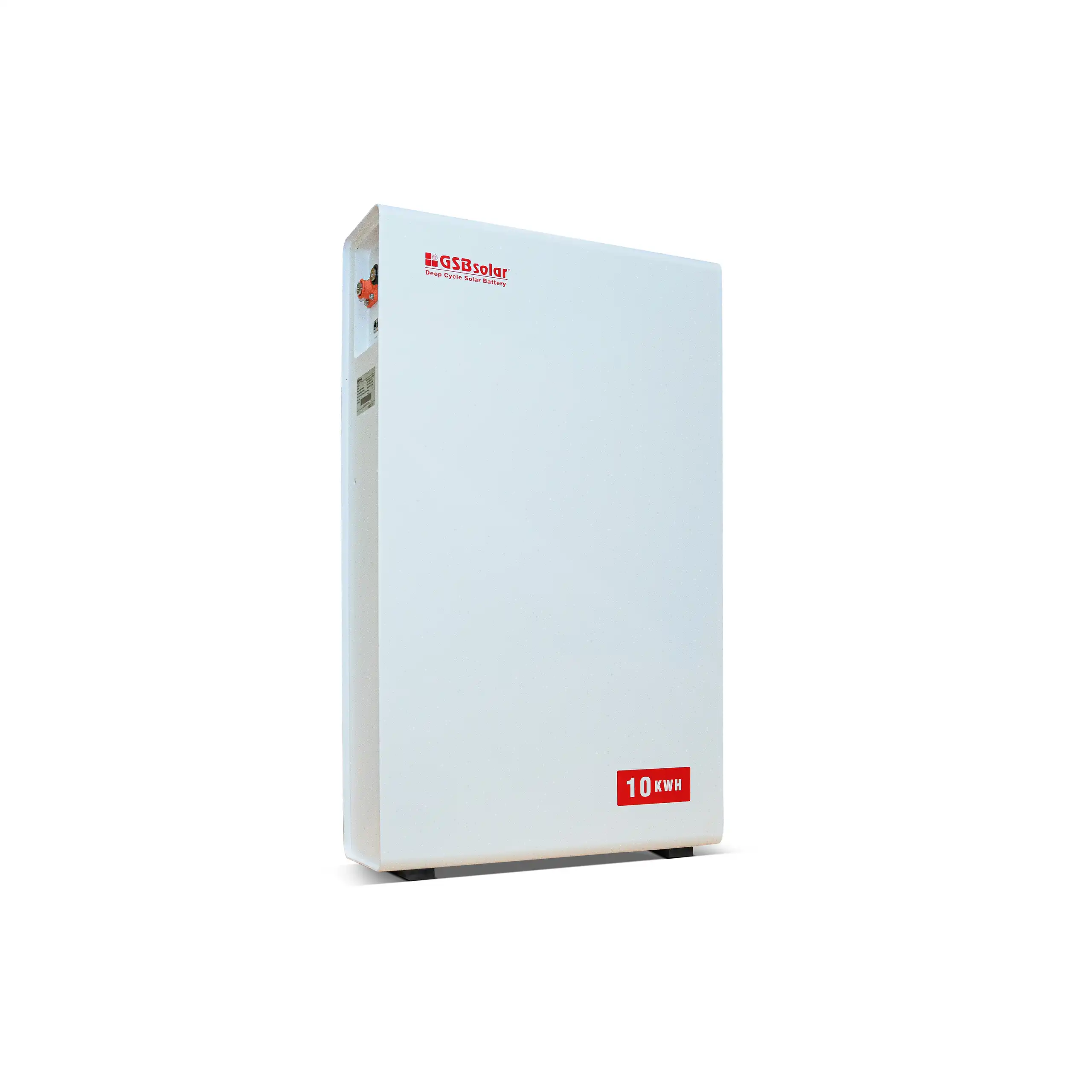
China’s solar inverter manufacturing is moving toward higher efficiency, smarter controls, and tighter quality management. Hybrid inverters now connect solar panels, batteries, generators, and household loads through one control system. Silicon carbide components can reduce switching losses and support smaller cooling systems. This matters in rooftop projects where space is limited. Grid-support functions are also becoming essential. Inverters must respond quickly to voltage changes, frequency shifts, and local safety requirements.

Manufacturers are investing more heavily in automated testing and traceable production records. A reliable factory should verify insulation, thermal performance, firmware behavior, and long-duration loading before shipment. Digital monitoring is improving maintenance, but it is not perfect. Weak internet connections can interrupt data transmission. Firmware updates may also create unexpected compatibility problems. Engineers increasingly test products in hot, dusty, and humid conditions, rather than relying only on laboratory results. Recycling design is gaining attention too, although repairability still receives less focus than sales growth.

Facebook X Instagram Pinterest WhatsApp WhatsApp
We use cookies to improve your experience on our website. By browsing this website, you agree to our use of cookies.