How to Choose the Best Solar Inverter for Your Needs?
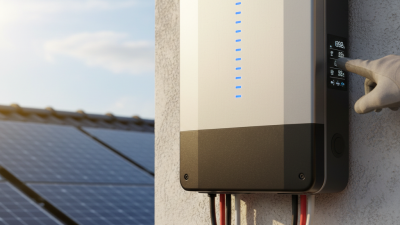
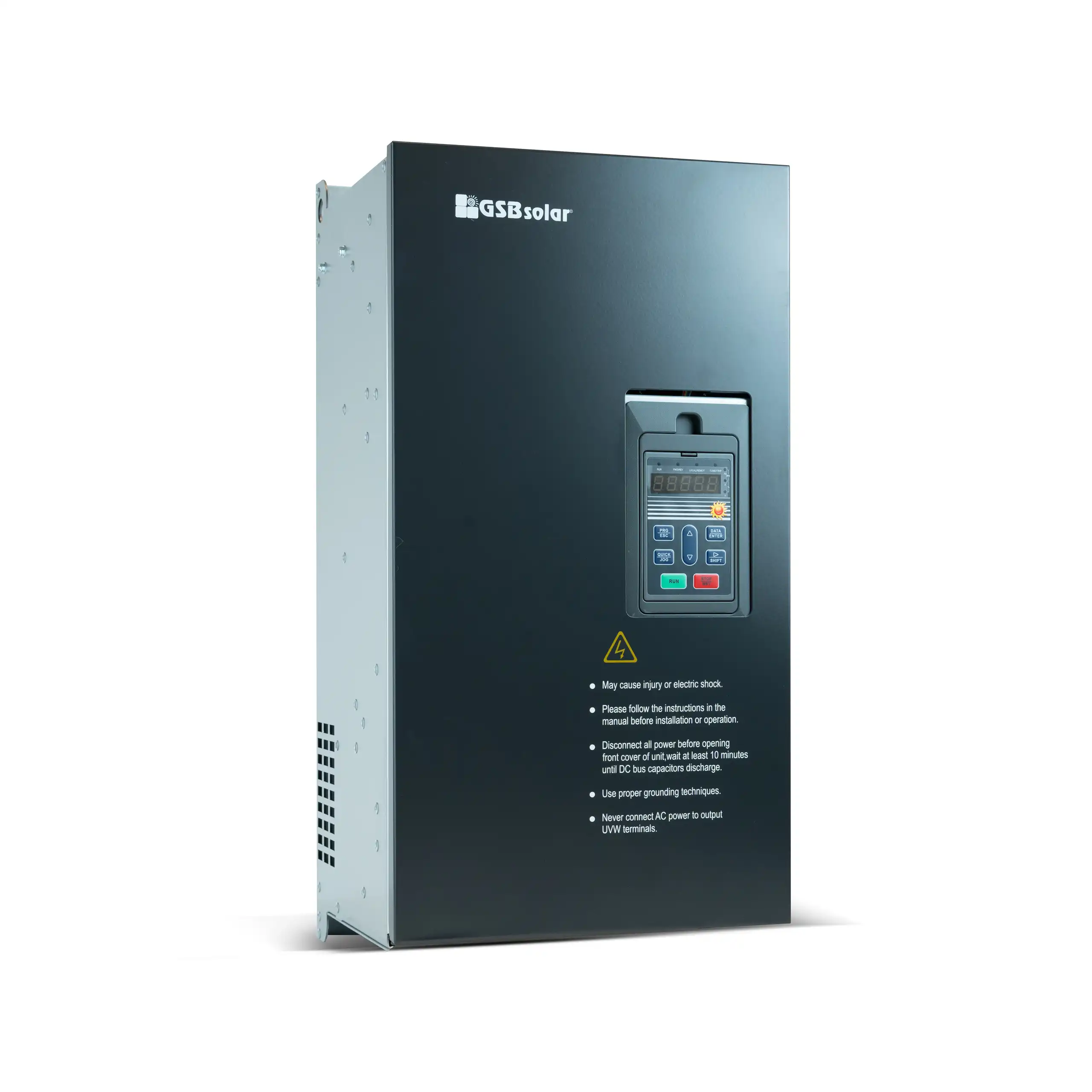
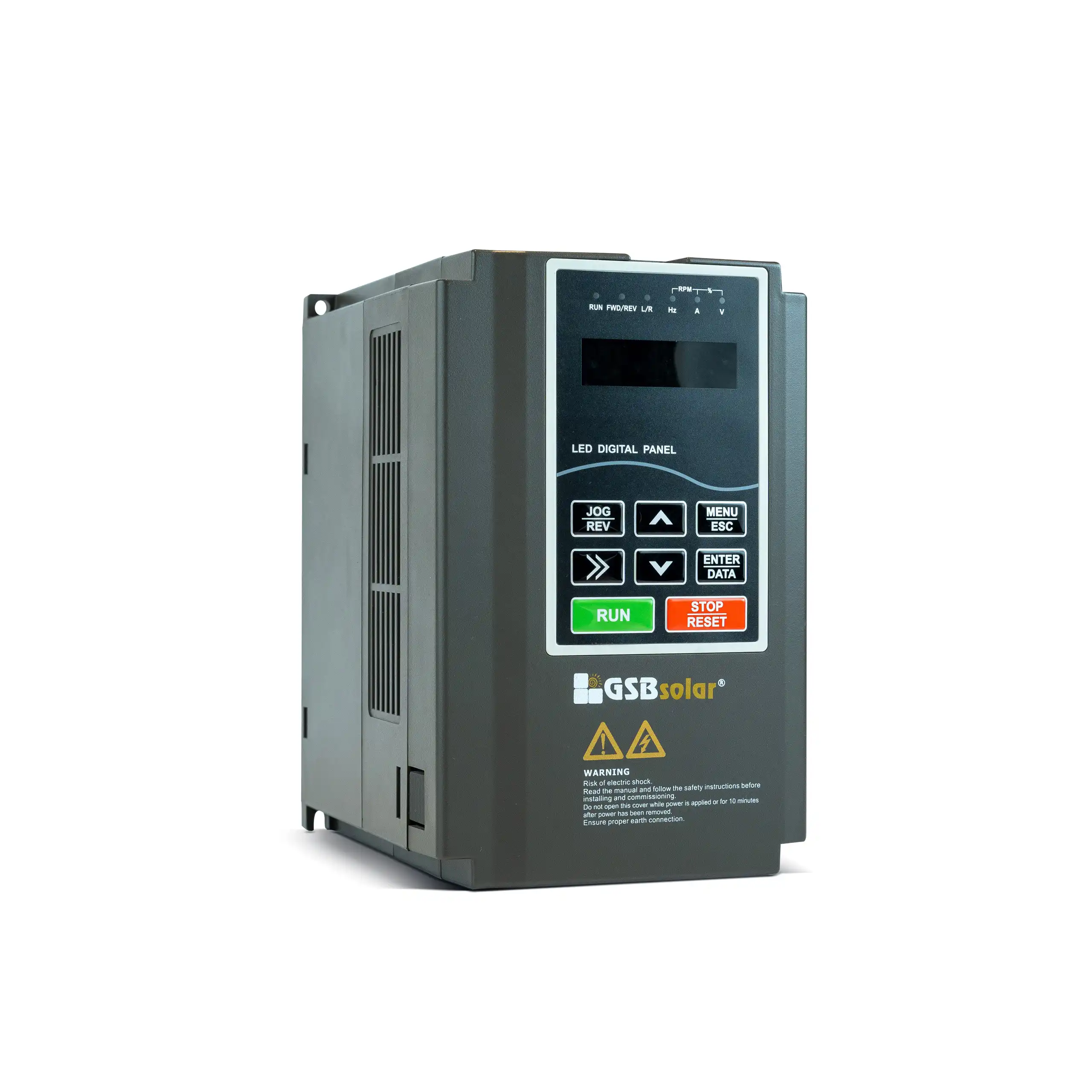
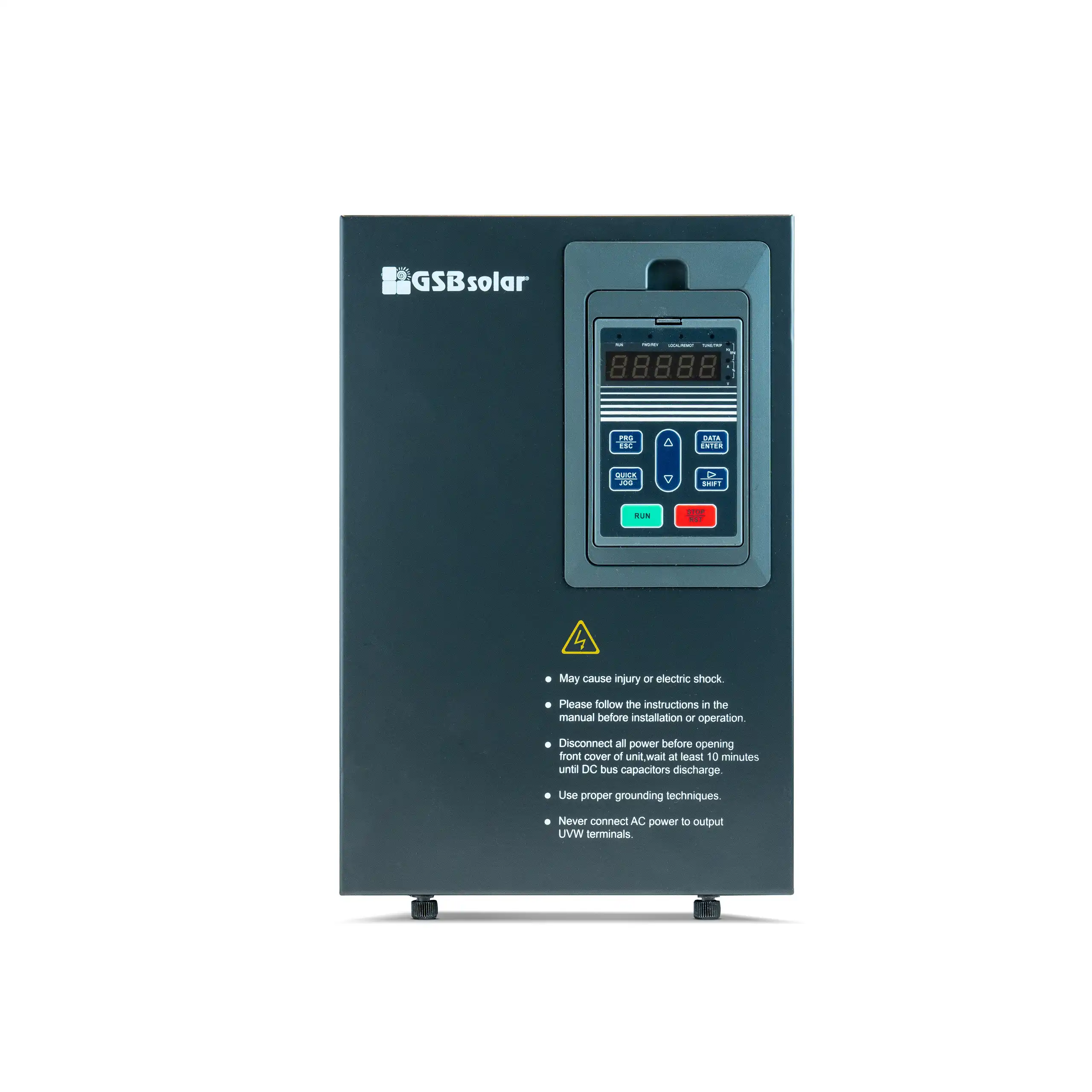
Choosing the right solar inverter is crucial for optimizing the efficiency of your solar energy system. A solar inverter converts direct current from solar panels into alternating current for home use. With various types available, selecting the best one can be challenging.
Many homeowners feel overwhelmed during the decision-making process. They often lack clear guidance on what features to prioritize. An efficient solar inverter should align with your energy needs and budget. However, personal preferences and specific requirements can complicate these choices.
Understanding the different types of solar inverters is essential. Some may favor string inverters due to cost-effectiveness, while others may prefer microinverters for better performance. Each option has its unique pros and cons. It’s important to research and weigh these factors carefully. Ultimately, the right solar inverter can significantly impact your energy savings and overall system performance.
Understanding Different Types of Solar Inverters Available on the Market
When selecting a solar inverter, it's essential to consider the various types available. The three main categories are string inverters, microinverters, and power optimizers. String inverters connect multiple solar panels in series. They are cost-effective but can generate less energy if one panel is shaded. According to the Solar Energy Industries Association, over 80% of homeowners use string inverters.
Microinverters operate at the panel level, allowing each solar panel to perform independently. This type can boost energy production, especially in partially shaded environments. A recent report shows that microinverters can increase output by up to 20%. Power optimizers combine the benefits of both string inverters and microinverters. They optimize the performance of each panel while still connecting to a central inverter.
Here are a few tips for choosing the right inverter. Start by assessing the layout of your roof. If there are multiple shading issues, microinverters might be the best option. Look into the warranties offered. A longer warranty often indicates quality and reliability. Understanding your energy consumption can also guide your choice. Base your decision on specific needs, not just price. Each inverter has its trade-offs; paying attention to small details can have a significant impact.
Key Factors to Consider When Selecting a Solar Inverter
When selecting a solar inverter, several key factors are essential. Efficiency is a primary consideration. The efficiency rating of inverters generally ranges from 90% to 98%. A higher efficiency means more of your solar energy gets converted to usable electricity. According to a report by the National Renewable Energy Laboratory, a 1% increase in efficiency can lead to a 1% increase in energy production over time.
Another critical factor is the inverter's durability and warranty. Solar inverters typically come with warranties ranging from 5 to 15 years. Choosing one with a longer warranty indicates a manufacturer’s confidence in product longevity. Moreover, inverter technology is evolving. String inverters, microinverters, and power optimizers each have pros and cons. Microinverters allow for panel-level monitoring, enhancing performance in partially shaded areas. However, they can be more expensive.
Consider the inverter's compatibility with your existing or planned system, including panel type and battery storage options. Research suggests that over 50% of solar installations face issues due to mismatched components. Therefore, ensuring compatibility can prevent future headaches and additional costs. An informed choice requires careful analysis of these factors, as the wrong decision can significantly impact efficiency and overall system performance.
Comparison of Key Factors for Choosing Solar Inverters
This bar chart illustrates key factors to consider when choosing a solar inverter. Each bar represents a different specification: Efficiency, Cost, Warranty, Installation Complexity, and Brand Reputation, providing a clear overview of what to evaluate for your solar inverter needs.
Evaluating the Efficiency and Performance of Solar Inverters
Evaluating the efficiency and performance of solar inverters is crucial for maximizing your solar energy system. Look for inverters that boast high conversion efficiency ratings, typically above 95%. Higher efficiency means more energy from the sun is transformed into usable electricity. However, efficiency isn't the only factor. Ensure the inverter's performance is consistent under varying conditions, such as partial shading or high temperatures.
Another important aspect is the inverter's durability and warranty. A robust inverter lasts longer and withstands environmental stress. Consider the climate where you live. Some inverters perform better in extreme temperatures or humid conditions. Research customer reviews and expert evaluations to gain insight into long-term reliability.
Installation can also affect performance. Proper installation ensures optimal operation. Check if the inverter has features that allow you to monitor its performance. This provides a transparent view of how well it's working. Strive for a balance between cost and quality. Cheaper options may save money upfront but could lead to higher maintenance costs later. Reflect on what you truly need from your solar inverter. Prioritize features that align with your energy goals.
Assessing Compatibility with Your Solar Panel System
When selecting a solar inverter, compatibility with your solar panel system is crucial. Different inverters operate effectively with specific panel technologies. Understanding these differences helps you optimize your energy production. For example, string inverters are common for small systems, while microinverters perform better in shaded areas. This relationship impacts your overall efficiency.
Consider the power rating of the inverter. It should match or slightly exceed your solar panel's output capacity. Mismatched ratings can lead to performance issues. Furthermore, pay attention to the inverter's efficiency rating. A more efficient inverter captures and converts more solar energy into usable power.
It is also essential to evaluate the inverter's features. Communication capabilities, monitoring options, and warranty details are vital. Some may offer advanced monitoring, allowing you to track performance closely. While more features sound appealing, ensure they align with your needs and budget. This balance may require some research and reflection.
How to Choose the Best Solar Inverter for Your Needs? - Assessing Compatibility with Your Solar Panel System
| Inverter Type |
Efficiency (%) |
Input Voltage Range (V) |
Number of MPPT |
Warranty (Years) |
Estimated Price ($) |
| String Inverter |
95% |
100 - 600 |
1 |
5 |
1500 |
| Micro Inverter |
97% |
22 - 50 |
1 |
20 |
2000 |
| Power Optimizer |
96% |
100 - 600 |
1 |
10 |
1800 |
| Hybrid Inverter |
94% |
150 - 600 |
2 |
10 |
2500 |
Budgeting for Solar Inverter Installation and Maintenance Costs
When budgeting for solar inverter installation, consider both initial and ongoing costs. The average cost of solar inverters ranges from $1,000 to $3,000, depending on the capacity and features. According to the National Renewable Energy Laboratory, inverters typically comprise about 10% to 20% of your solar system's total cost. This percentage reflects the importance of selecting a quality inverter to ensure optimal performance.
Maintenance is another critical aspect. Generally, solar inverters require minimal upkeep. However, replacing an inverter every 5 to 15 years can incur significant costs. The cost for replacement ranges from $800 to $1,500. Regular checks can identify issues early and help you avoid higher repair costs later. Industry statistics suggest that proactive maintenance can extend the life of your inverter, leading to better long-term savings.
Many homeowners overlook warranties when budgeting. A solid warranty often indicates reliability. Look for at least a 5 to 10-year warranty. This coverage provides peace of mind and protects your investment. While it may seem like a slight additional expense upfront, it can save you money in the long run if issues arise. Balancing upfront costs and future expenses is crucial for achieving overall savings.