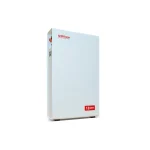
2026 Best Solar Power Battery for Home Backup?

Choosing the best solar power battery for home backup in 2026 requires more than comparing storage capacity. A larger battery is not automatically better. Your home’s evening demand, outage length, solar production, and electrical panel all matter. A family using 12 kilowatt-hours overnight needs a different system from a small apartment using four.

Dr. Imre Gyuk, a leading U.S. energy-storage expert, said, “Energy storage is the key to unlocking the full potential of renewable energy.” That idea guides this comparison. A capable battery should provide dependable backup, efficient charging, strong thermal management, and safe operation. It should also work smoothly with solar inverters, home energy software, and essential circuits. Numbers matter, but real household behavior matters more.

This guide examines usable capacity, round-trip efficiency, cycle life, warranty terms, installation requirements, and emergency performance. It also considers lithium iron phosphate chemistry, because safety and long service life are increasingly important. Some systems look impressive on paper. They may disappoint during cloudy weeks or peak evening demand. That is easy to overlook.

We will compare leading options for different homes, budgets, and backup priorities. The most expensive model may not be the smartest choice. The cheapest option may create limitations later. My shortlist is useful, but not perfect. Battery technology changes quickly, and manufacturer claims still require careful verification. Independent testing, certified installation, and realistic load planning remain essential. This article aims to help homeowners make a practical decision, not chase the biggest specification.

2026 Best Solar Power Battery for Home Backup?

What Is a Solar Power Battery for Home Backup?

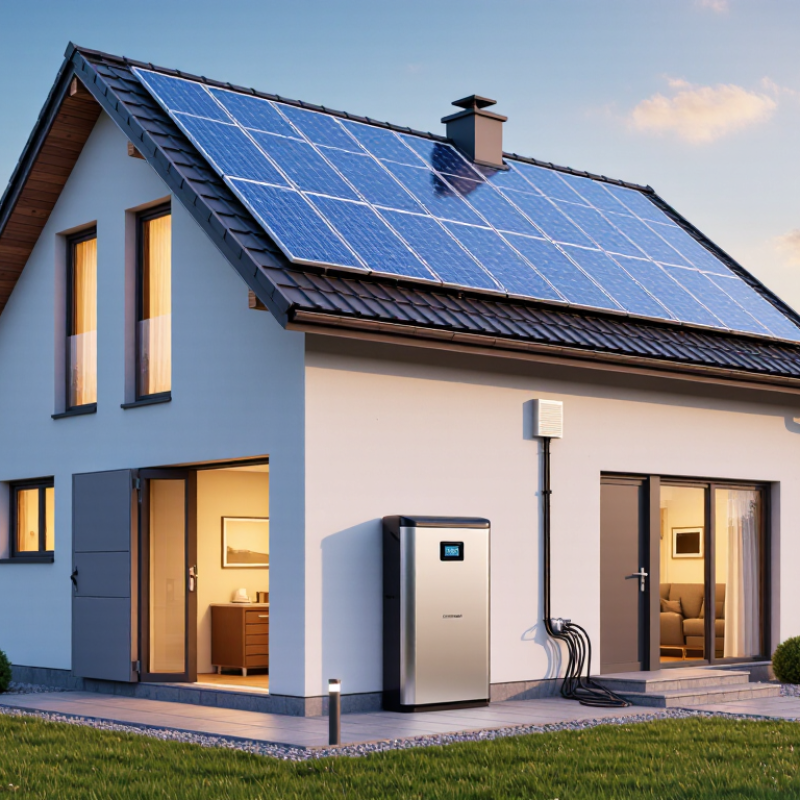
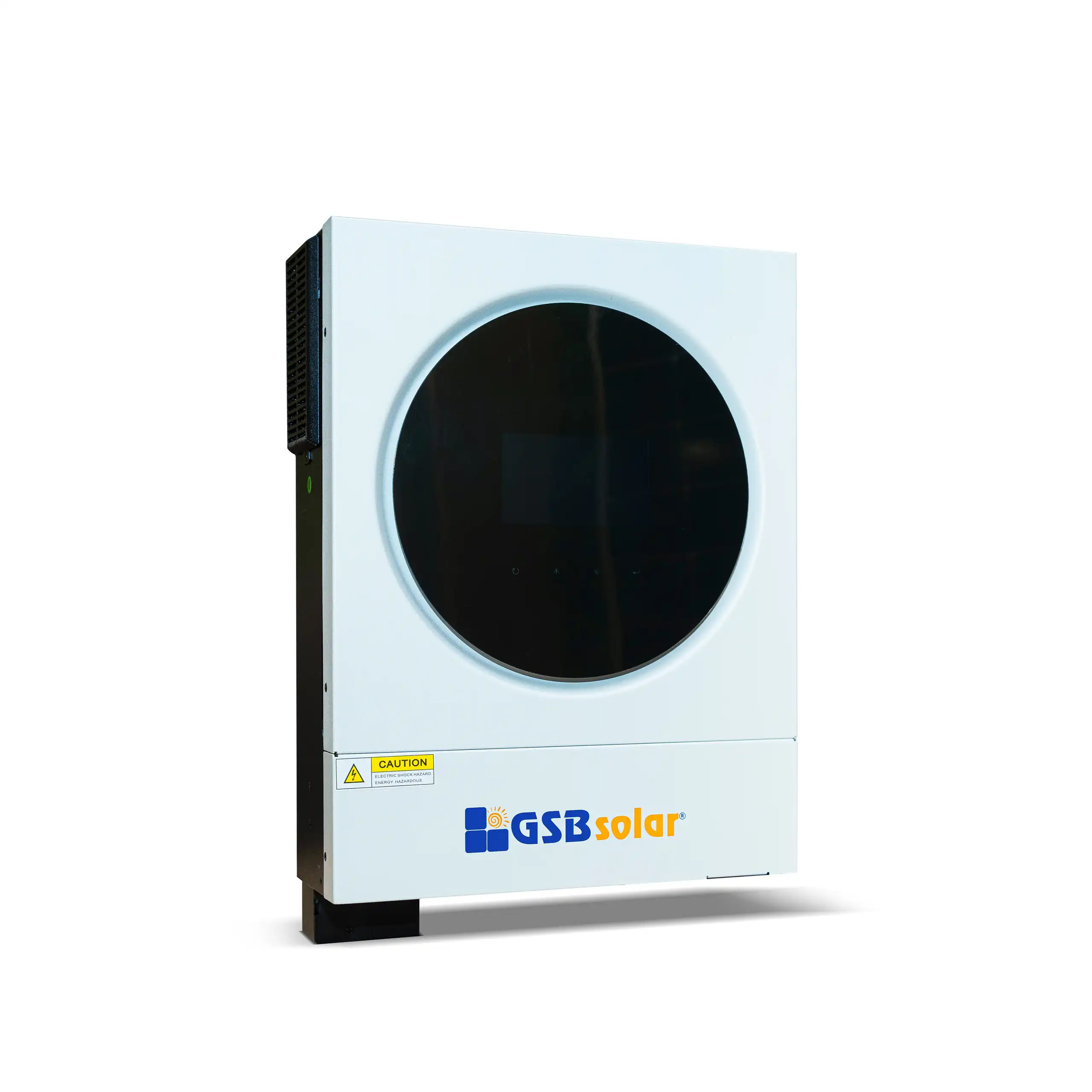
A solar power battery for home backup stores electricity for later use. Solar panels charge it during daylight. The battery then powers selected household circuits during outages or evening hours. It is not simply a larger power bank. A complete system includes battery cells, an inverter, controls, protective equipment, and monitoring software.

The key measurement is usable capacity, expressed in kilowatt-hours. Power output, measured in kilowatts, shows which appliances can run together. A refrigerator may need brief starting power, while lights need very little.

The U.S. Department of Energy explains that storage can shift solar electricity to evening demand and provide backup power. However, backup performance depends on system design, wiring, and automatic transfer equipment. Battery chemistry also affects safety, lifespan, operating temperature, and maintenance.

Industry growth shows why this technology matters. The International Energy Agency reported nearly 40 gigawatts of new battery storage capacity worldwide in 2023, almost five times the previous year. The National Renewable Energy Laboratory commonly models residential battery round-trip efficiency around 85% to 95%, meaning some stored energy is lost.

Real homes are messier than spreadsheets. A battery rated at 10 kilowatt-hours may deliver less under reserve settings, cold conditions, or aging. For 2026, careful buyers should compare usable capacity, continuous output, warranty terms, emergency loads, and installation requirements. The “best” battery is rarely the biggest one. It is the system that matches actual household demand.

How Home Solar Batteries Store and Deliver Electricity

2026 Best Solar Power Battery for Home Backup?

How Home Solar Batteries Store and Deliver Electricity

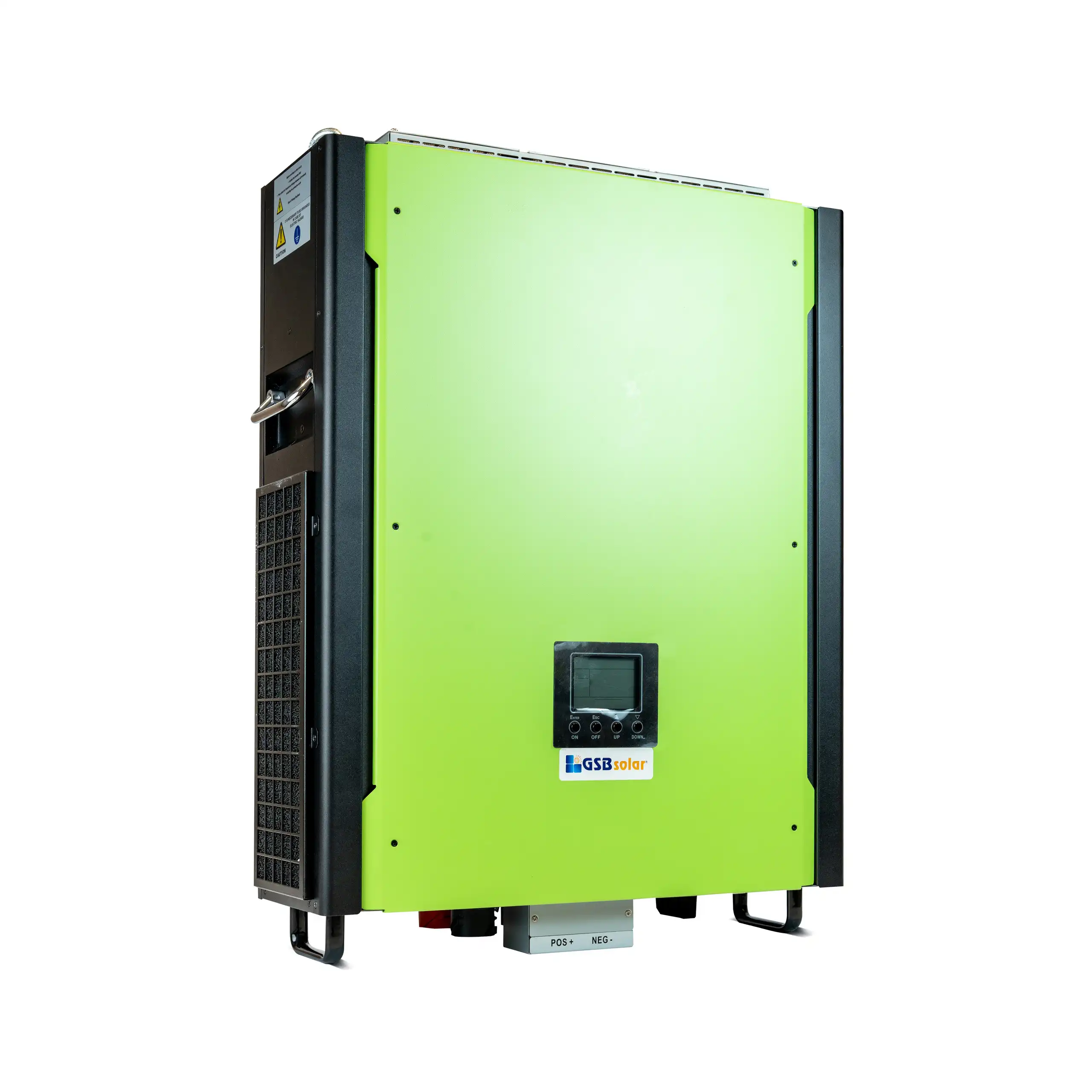
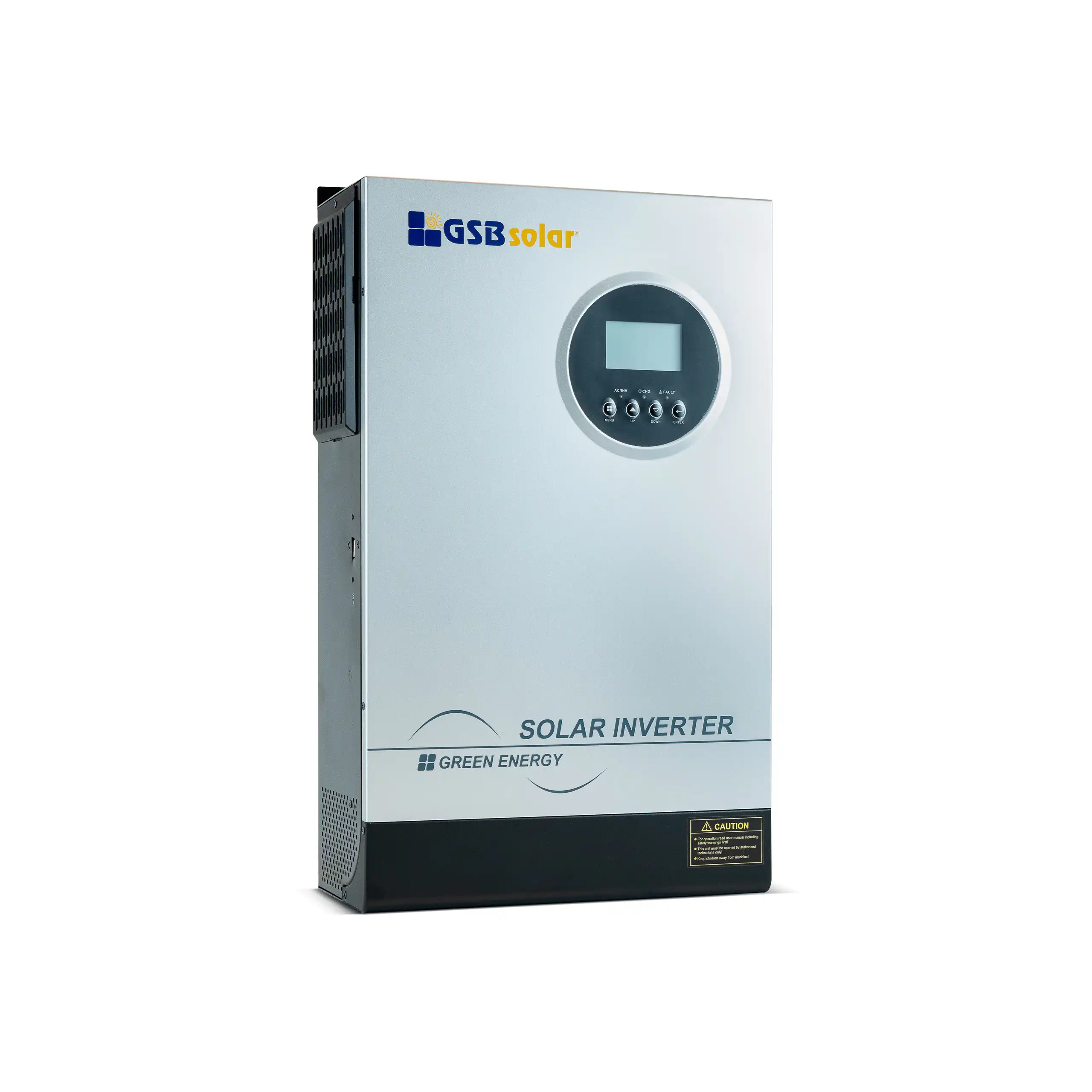
A home solar battery stores extra electricity produced by rooftop panels during daylight. Solar panels create direct current, but household appliances usually need alternating current. An inverter manages this conversion and controls the battery’s charging process. Inside the battery, chemical cells hold energy for later use. The stored electricity remains available after sunset or during a short grid outage.

When power demand rises, the inverter sends electricity from the battery to selected circuits. Lights may stay on, a refrigerator can keep cooling, and a router can maintain internet access. Backup performance depends on battery capacity, usable energy, and the amount of power it can deliver at once. A large battery may still struggle with a pump or electric heater. That detail is easy to overlook.

Tips: List essential appliances before choosing a system. Check their wattage and starting surge. Keep the battery in a dry, ventilated location, away from extreme heat. Ask a qualified installer about grounding, shutdown controls, and local electrical requirements. Test the backup mode occasionally. It may not work exactly as expected during the first outage. Also, review warranty terms, service access, and expected capacity loss over time. No battery remains at its original performance forever.

Key Battery Types and Performance Factors in 2026

2026 Best Solar Power Battery for Home Backup?

Key Battery Types and Performance Factors in 2026

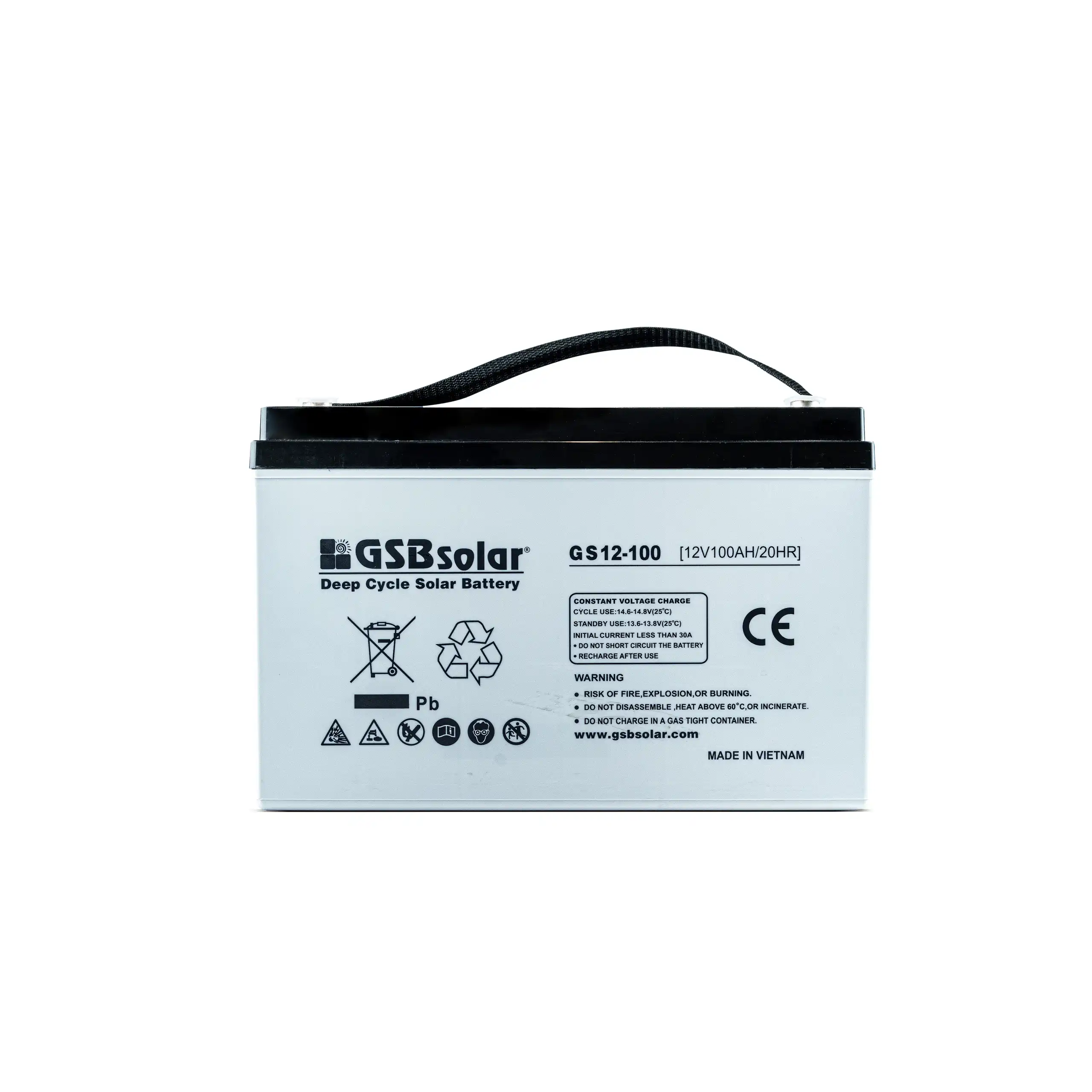
For most homes, lithium iron phosphate (LFP) is the practical baseline. It offers strong thermal stability, long cycle life, and useful daily charging performance. Nickel-manganese-cobalt batteries provide higher energy density, which helps in smaller utility rooms. However, they demand stricter thermal management. Lead-acid systems remain familiar and affordable, but they are heavier and usually deliver less usable capacity. Sodium-ion batteries are gaining attention for cold-weather operation and material diversity. Their lower energy density still limits some residential applications.

Capacity is only one part of the decision. Check usable kilowatt-hours, continuous output, surge power, round-trip efficiency, depth of discharge, and backup switchover time.

A 10 kWh battery cannot run every appliance for ten hours. Refrigerators, pumps, and heat equipment can create sharp startup loads.

The International Energy Agency reported that global battery storage additions reached about 42 GW in 2023, while deployment must expand roughly sixfold by 2030. That growth should improve availability, but not every new chemistry will mature equally (IEA, Batteries and Secure Energy Transitions, 2024).

Temperature matters. So does installation quality. The U.S. National Renewable Energy Laboratory’s 2024 cost projections show continued declines for stationary battery systems, yet household pricing still varies by labor, controls, and electrical upgrades.

I once focused too heavily on nameplate capacity. Usable output was the real limitation. For 2026, compare warranty conditions, tested safety certifications, degradation assumptions, and real household load profiles—not attractive capacity figures alone.

How to Choose the Best Battery for Your Home

2026 Best Solar Power Battery for Home Backup?

How to Choose the Best Battery for Your Home

Choosing a home backup battery starts with your daily electricity habits, not its advertised capacity. List essential loads, such as refrigeration, lighting, internet equipment, medical devices, and water pumps. A battery rated at 10 kilowatt-hours may provide less usable energy after reserve settings and conversion losses. Measure your evening consumption with a smart meter if possible. Guesswork can become expensive.

Check both continuous output and surge output. A refrigerator may need extra power when its compressor starts. Heating equipment and pumps can require even more. Review the battery’s usable capacity, round-trip efficiency, operating temperature, and expansion options. Lithium iron phosphate chemistry is often valued for thermal stability and cycle life, but the installation still needs professional assessment. Safety certifications and local electrical requirements matter.

Your solar system and inverter must communicate correctly with the battery. Confirm voltage limits, backup-panel requirements, and automatic transfer performance before purchasing. Ask how the warranty defines capacity retention and cycle limits. A longer warranty does not always mean better real-world service. I once assumed a smaller battery would cover an overnight outage, but cloudy weather and winter heating changed the calculation. That estimate was too optimistic. Leave room for seasonal demand, future appliances, and battery degradation. Also examine installation access, ventilation, monitoring quality, and emergency shutdown procedures. The best choice fits your home’s actual loads and your tolerance for interruptions.

2026 Best Solar Power Battery for Home Backup? - How to Choose the Best Battery for Your Home
Selection Dimension Typical Data or Standard Why It Matters Practical Selection Guidance
Battery Chemistry Lithium iron phosphate (LFP) is the dominant home-storage chemistry; lithium nickel manganese cobalt oxide (NMC) is also used. Chemistry affects safety, usable capacity, lifespan, weight, and operating temperature. Choose LFP when long service life, thermal stability, and frequent daily cycling are priorities.
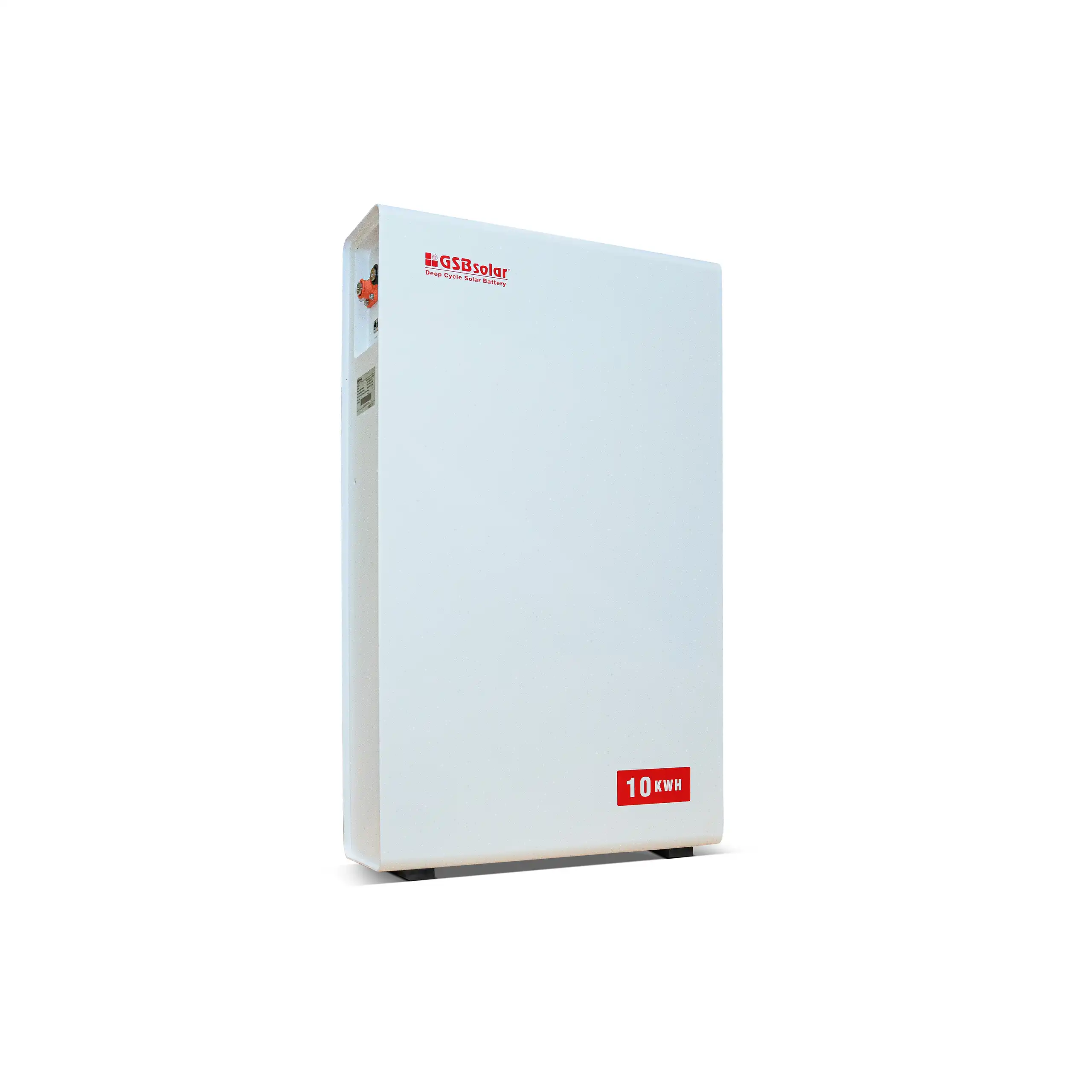
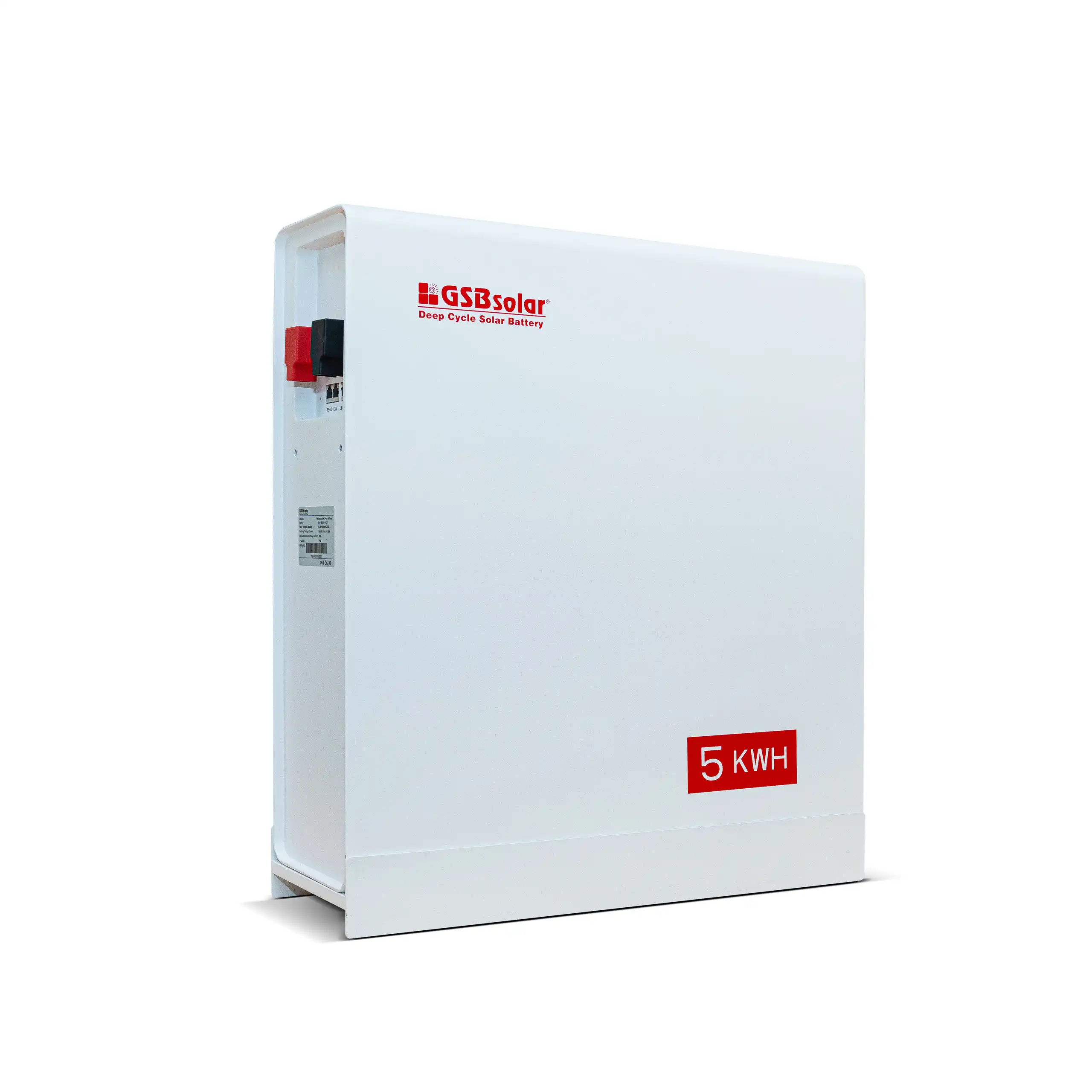
Usable Energy Capacity Approximately 5–20 kWh per residential battery unit; larger systems can be built by combining multiple units. Usable energy determines how long essential appliances can operate during an outage. Estimate essential loads in kWh, then add around 10–20% capacity for reserve and estimation uncertainty.
Recommended Backup Size About 10–15 kWh is commonly suitable for essential household loads; whole-home backup may require 20–40 kWh or more. A refrigerator, lighting, internet equipment, and selected outlets require far less energy than central air conditioning or electric heating. Create an appliance load list rather than sizing the battery only by the home’s floor area.
Continuous Power Output Common residential battery systems provide approximately 3–10 kW of continuous output. Power output determines which appliances can run simultaneously. Compare the battery’s continuous output with the combined running wattage of intended loads.
Peak or Surge Output Many systems provide short-duration surge output above their continuous rating to start motors and compressors. Refrigerators, pumps, and some HVAC equipment can require substantially more power during startup. Check surge duration and peak wattage, not only the continuous power specification.
Round-Trip Efficiency Approximately 85–95% is a typical range for modern battery systems, depending on the inverter and operating conditions. Higher efficiency reduces energy lost while charging and discharging. Use the complete system efficiency when comparing AC-coupled and DC-coupled installations.
Depth of Discharge Many systems permit approximately 80–100% usable depth of discharge, subject to manufacturer controls. A higher usable percentage provides more backup energy from the same nominal capacity. Compare usable kWh rather than nominal kWh, because the usable figure reflects the built-in reserve.
Expected Cycle Life LFP home batteries commonly target several thousand cycles; actual life depends on temperature, discharge depth, and charging conditions. Cycle life affects long-term value for systems charged and discharged every day. Ask whether the stated cycle figure applies to a defined remaining-capacity level and specific operating conditions.
Calendar Life Residential lithium battery systems are commonly designed for roughly 10–15 years of service, subject to warranty terms and usage. A battery can age with time even when it is not cycled frequently. Review both the time-based warranty and the throughput or cycle limit.
Warranty Coverage Residential warranties commonly specify 10 years, a cycle limit, an energy-throughput limit, or a minimum retained capacity. Warranty conditions influence financial risk over the battery’s expected life. Check exclusions, transferability, labor coverage, replacement terms, and the guaranteed end-of-warranty capacity.
Operating Temperature Many systems operate within an approximate range of -20°C to 50°C, with charging often restricted at very low temperatures. Extreme heat and cold can reduce performance, safety, and battery life. Use an approved indoor location or a temperature-managed enclosure when local weather is extreme.
Weather Protection Outdoor models often use an enclosure rated around IP55 to IP65, depending on the design. The enclosure rating indicates resistance to dust and water ingress. Confirm the exact rating and installation requirements; an outdoor rating does not mean the battery may be submerged.
Backup Transfer Time Many complete backup systems transfer in fractions of a second to a few seconds, depending on the inverter and backup configuration. Sensitive electronics may restart if the interruption is too long. Verify whether the system supports seamless or near-seamless backup for computers, networking equipment, and medical devices.
Solar Integration Systems may be AC-coupled, DC-coupled, or compatible with both architectures. The architecture affects installation cost, conversion losses, retrofit flexibility, and backup behavior. DC coupling can be efficient for a new solar installation; AC coupling is often flexible for adding storage to an existing solar system.
Scalability Many residential systems support parallel expansion, commonly from one unit to several units within an approved system limit. Scalability allows capacity and power to grow as household needs change. Confirm limits for total energy, total power, cable length, inverter compatibility, and installation space.
Safety Features Important features include battery-management controls, cell monitoring, temperature sensors, over-current protection, and thermal event mitigation. Safety controls help manage abnormal voltage, temperature, current, and cell conditions. Use equipment certified for the applicable local electrical and fire-safety requirements and installed by qualified professionals.
Installation Location Suitable locations are typically dry, ventilated, accessible, structurally adequate, and compliant with required clearances. Location affects safety, maintenance, temperature, noise, and installation cost. Avoid unapproved bedrooms, poorly ventilated spaces, flood-prone areas, and locations exposed to direct heat sources.
Noise Level Some systems are nearly silent, while others use fans and may produce audible noise during heavy charging or discharging. Noise can matter when the battery is installed near living spaces or bedrooms. Request the operating noise specification and check whether cooling fans run continuously or only under high loads.
Monitoring and Controls Common functions include state-of-charge monitoring, energy-flow data, outage alerts, operating-mode selection, and remote diagnostics. Monitoring helps verify performance and identify faults or unusual energy use. Prefer systems that provide clear local controls as well as app-based monitoring, especially where internet service may fail during outages.
Total Installed Cost Cost varies substantially by usable capacity, inverter size, electrical upgrades, labor, permits, and local incentives. The battery price alone does not represent the final project cost. Compare the full installed price per usable kWh and include maintenance, replacement, financing, and incentive assumptions.
Best Fit for Daily Cycling A system with high efficiency, strong usable capacity, long cycle life, and compatible solar controls is generally preferable. Daily cycling increases the importance of efficiency and long-term degradation performance. Prioritize lifetime delivered energy and warranty throughput instead of focusing only on the lowest purchase price.
Best Fit for Emergency Backup A system with adequate continuous power, surge capability, automatic transfer, and reserved state-of-charge capacity is preferable. Emergency backup requires dependable power delivery even when solar production is unavailable. Size for the critical loads and preserve a backup reserve so the battery is not fully depleted before an outage occurs.
Note: Specifications are typical residential-market ranges and selection criteria rather than data from a specific manufacturer. Actual performance depends on system design, installation quality, climate, usage, and local regulations.

Installation, Safety, Maintenance, and Long-Term Costs

Choosing the best solar power battery for home backup in 2026 requires more than comparing capacity. Installation quality affects safety, performance, and future expenses. A qualified electrician should assess the wall, wiring, ventilation, flood risk, and local electrical requirements. The battery needs firm mounting and clear space around it. A nearby emergency shutoff is essential. Do not place it beside heaters, fuel, or stored cardboard.

Tips: Ask for a written installation plan, commissioning report, warranty terms, and expected usable capacity. Confirm whether backup power supports essential circuits only. A load test can reveal problems before a storm. Keep the manual accessible.

Maintenance is usually simple, but it is not zero-maintenance. Inspect cables and terminals during scheduled service. Check warning lights, temperature readings, and unusual sounds. Keep vents clean and avoid pressure-washing the enclosure. Software updates may improve control, although they can sometimes change charging behavior. Record monthly energy use and backup duration. Small records matter.

Long-term cost includes installation, permits, monitoring, service visits, and eventual replacement. A larger battery is not always cheaper if most capacity remains unused. Compare usable kilowatt-hours, cycle life, efficiency, degradation, and service coverage. I would not trust impressive laboratory figures alone; household results depend on shade, weather, loads, and settings. A realistic reserve fund prevents unpleasant surprises. Planning is imperfect, but careful measurements make it better.

Facebook X Instagram Pinterest WhatsApp WhatsApp
We use cookies to improve your experience on our website. By browsing this website, you agree to our use of cookies.