Why Choose Solar and Battery Storage for Your Business?
For many businesses, energy costs are no longer a minor operating detail. They affect pricing, planning, and daily decisions. A warehouse may run conveyors at noon, while refrigeration continues through the night. Solar panels can produce power during daylight hours, when commercial demand is often highest. Battery storage can then hold surplus electricity for evening operations or unexpected interruptions. Together, solar and battery systems can improve energy visibility and reduce dependence on changing grid prices.
The strongest projects begin with measured evidence, not promises. An energy audit should review half-hourly consumption, roof condition, shading, equipment loads, and future expansion plans. A qualified installer can model production across seasons and explain expected battery degradation. Businesses should also compare warranties, maintenance responsibilities, monitoring systems, and emergency support. These details matter when a system must perform beside staff, machinery, and customer commitments.
It is not a perfect solution.
Cloudy weeks reduce generation. Batteries require space, inspections, and careful financial planning. Some buildings need structural improvements before installation. Payback periods also vary widely, so confident claims without site data deserve caution. A responsible decision weighs capital costs against energy savings, resilience, sustainability targets, and operational risk. It also leaves room for review as tariffs, technology, and business needs change. With professional design and transparent assumptions, solar and battery storage can become a practical business asset rather than a fashionable purchase.
What Solar Power and Battery Storage Mean for Businesses
For businesses, solar power means more than producing electricity on a rooftop. It changes when and how energy is purchased. Panels can supply daytime loads, such as refrigeration, machinery, lighting, and office equipment. The International Renewable Energy Agency reported that solar photovoltaic costs fell by about 90% between 2010 and 2023. This decline has made on-site generation more practical for many commercial properties.
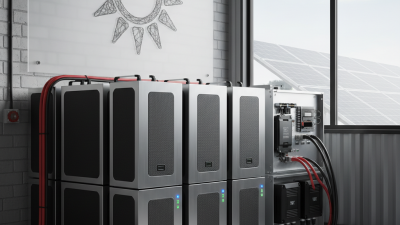
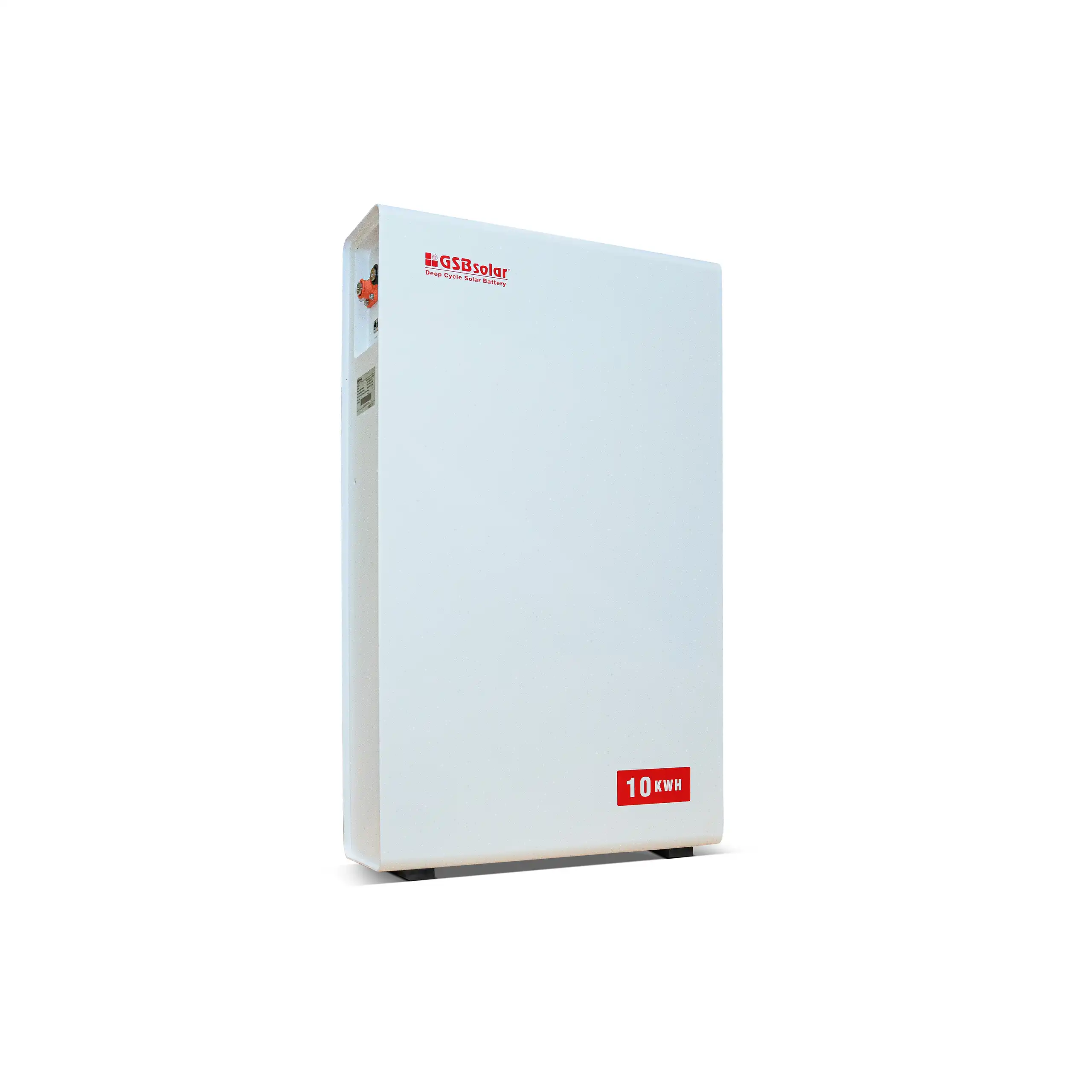
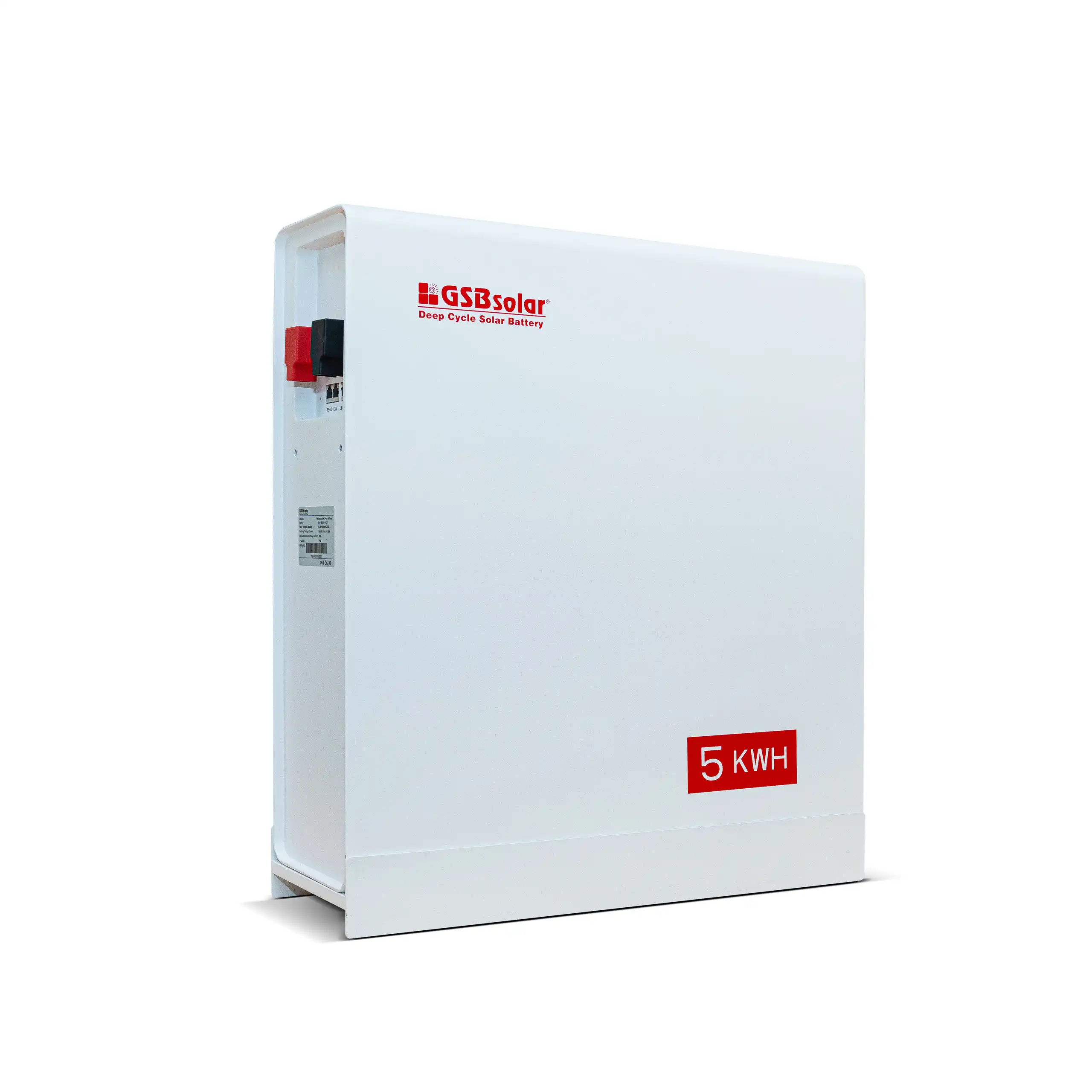
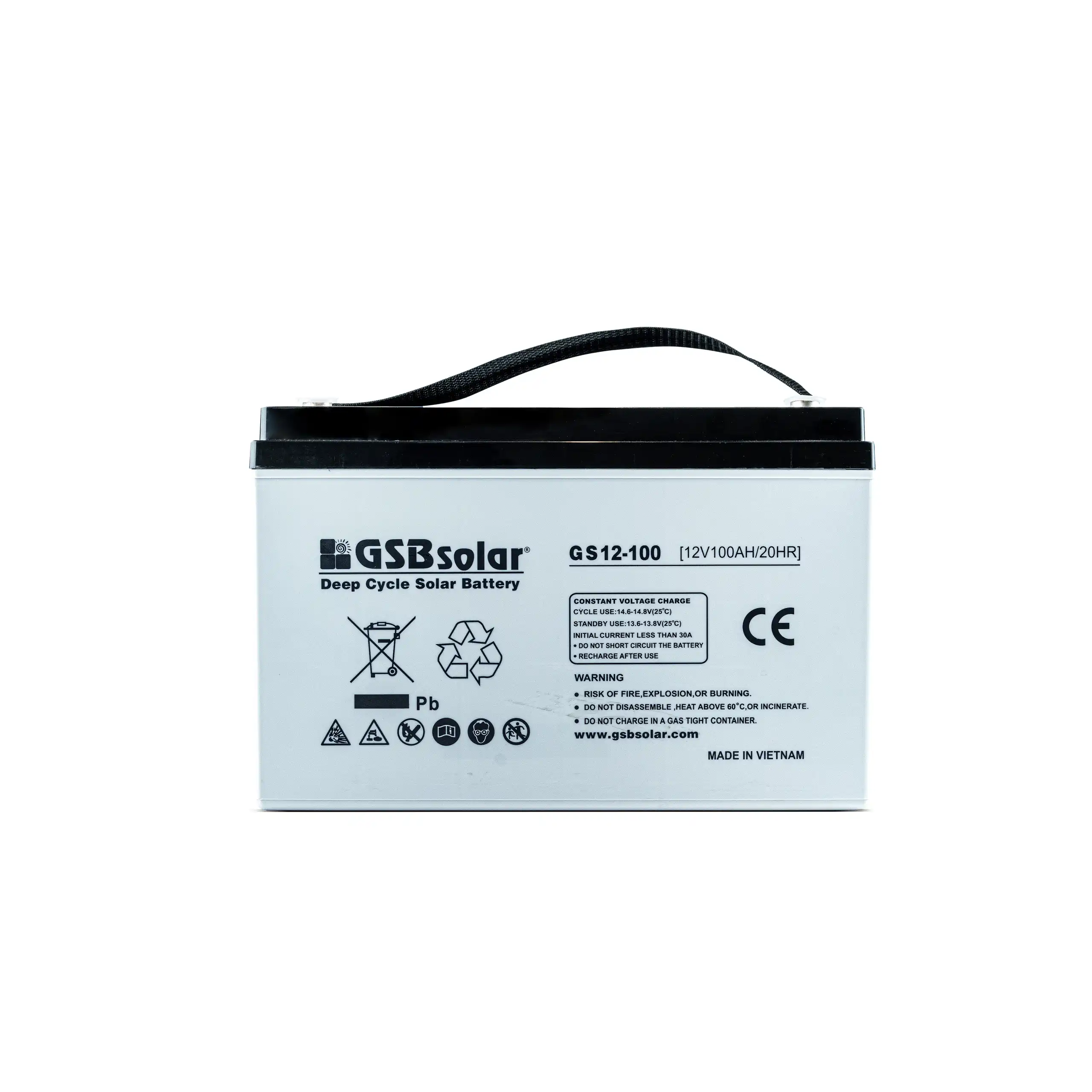
Battery storage adds flexibility. It stores excess solar power during quiet production hours, then releases it during evening operations or expensive tariff periods. The International Energy Agency reported that global battery storage additions reached about 42 gigawatts in 2023, nearly doubling from the previous year. For a business, this can reduce peak demand charges and provide limited backup during short interruptions. It cannot replace a full emergency power system in every facility.
The calculation is not always flattering. A poorly sized battery may sit idle, while an aging roof can create unexpected replacement costs. Energy audits, interval meter data, and seasonal demand patterns should guide system design. NREL research shows that battery value depends heavily on tariffs, dispatch timing, and local operating conditions. Businesses also need qualified installation, routine inspections, and compliant fire-safety planning. Small details matter. A factory with steady daytime demand may benefit mainly from solar, while a restaurant with evening peaks may gain more from storage. The best design is practical, measurable, and open to revision.
How Solar Panels and Batteries Work Together
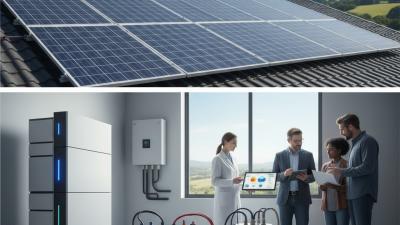
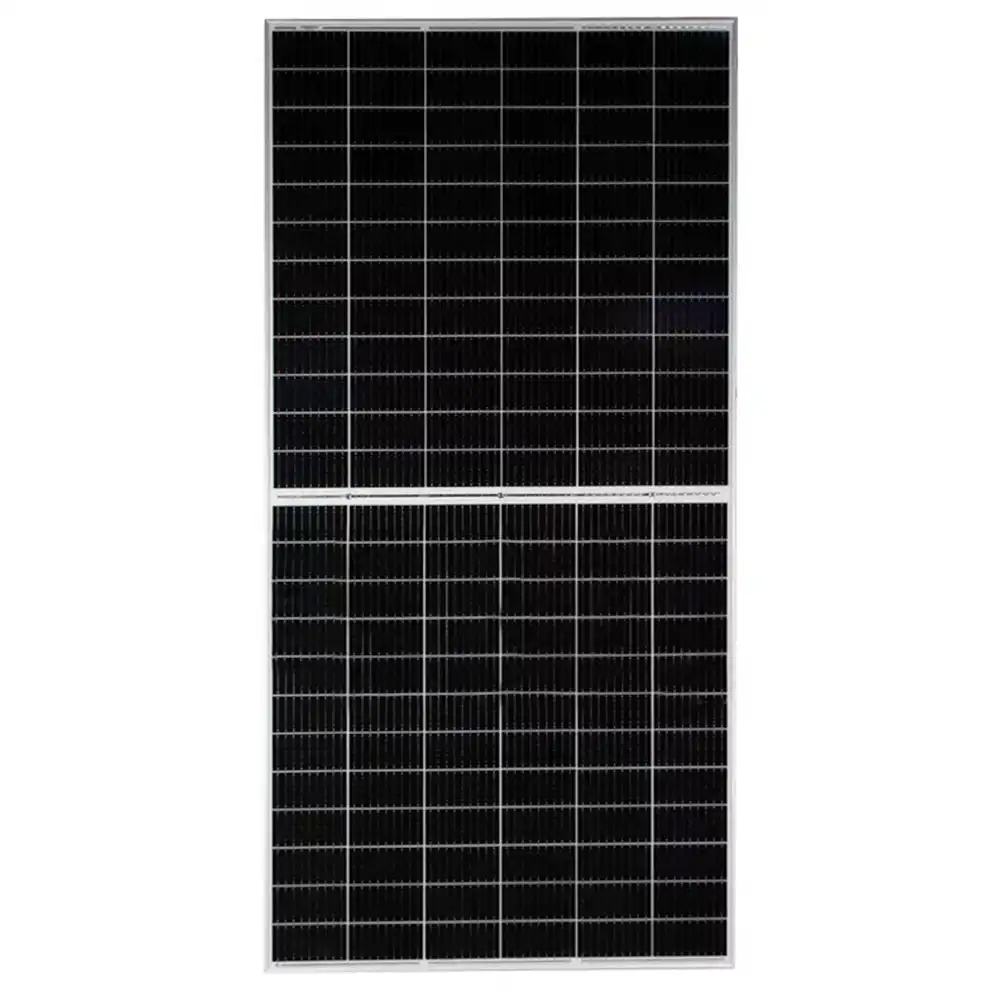
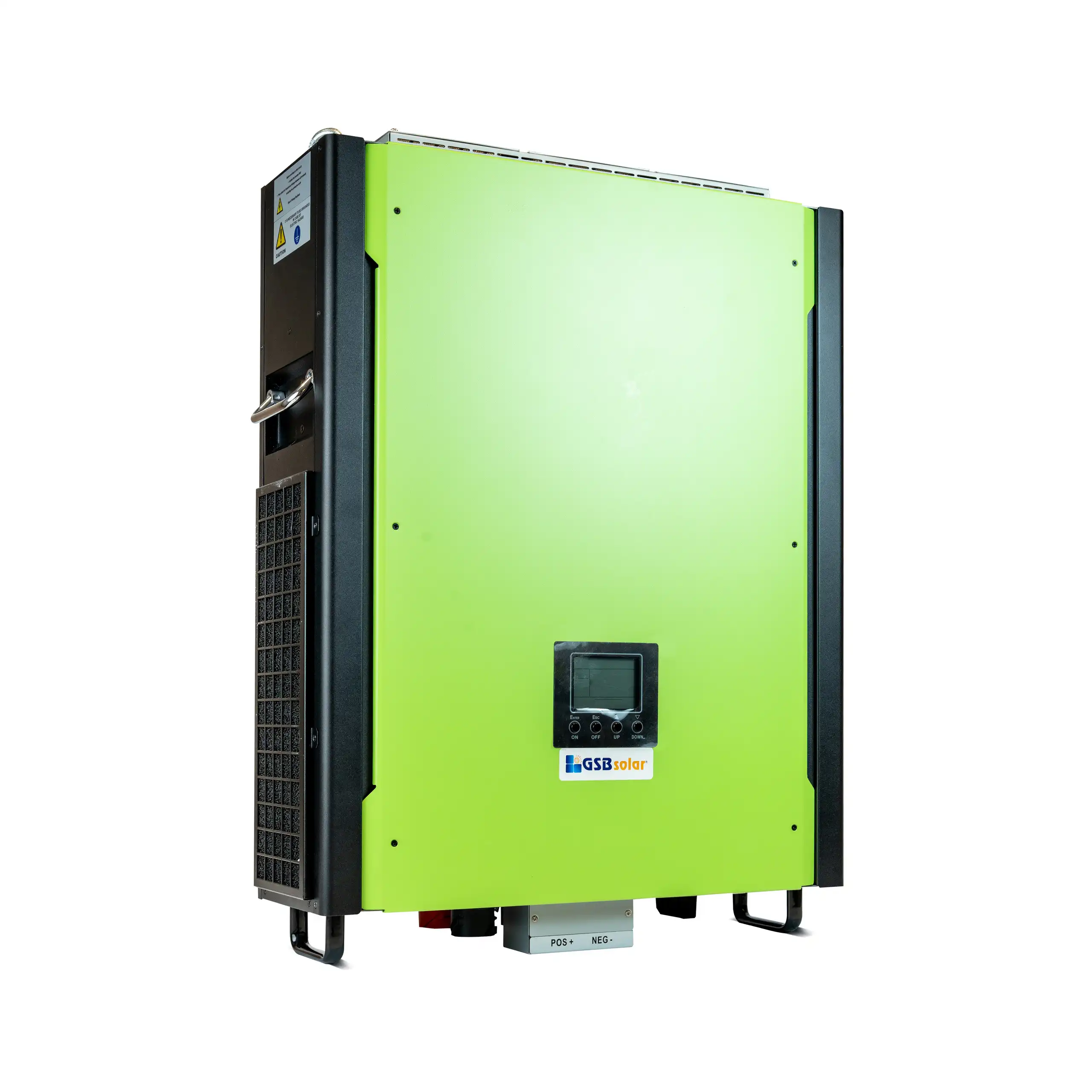
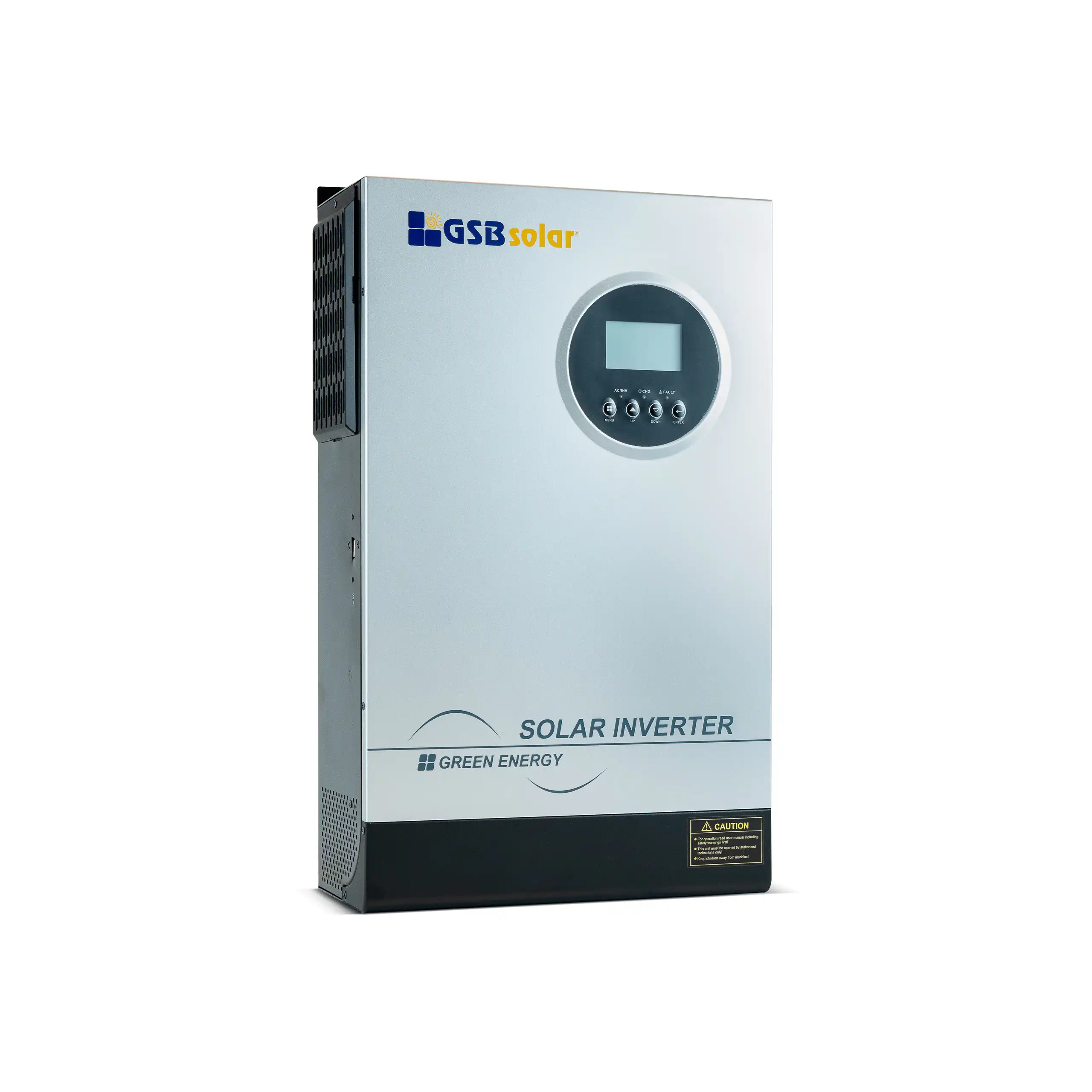
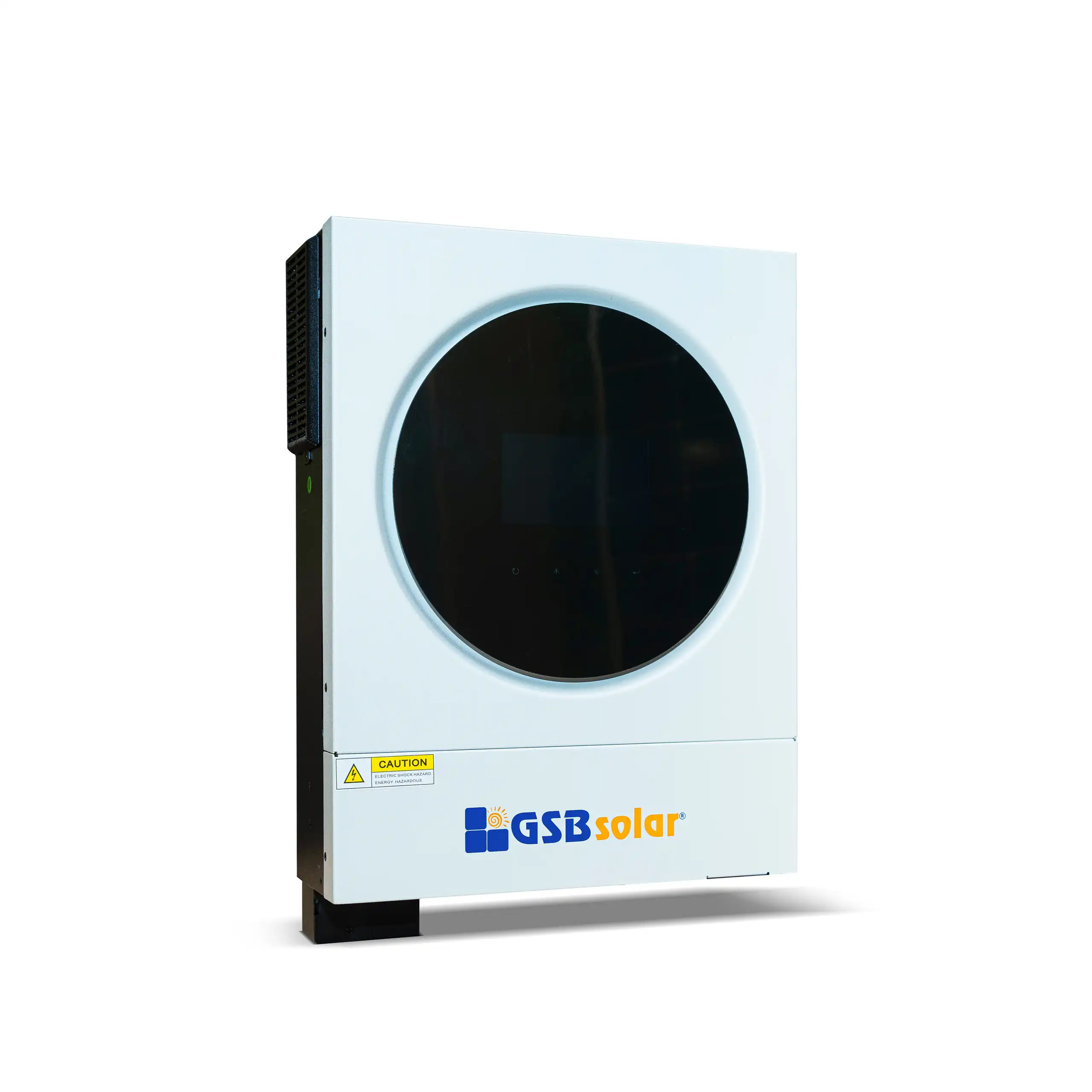
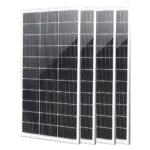
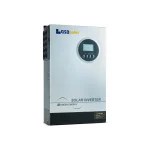
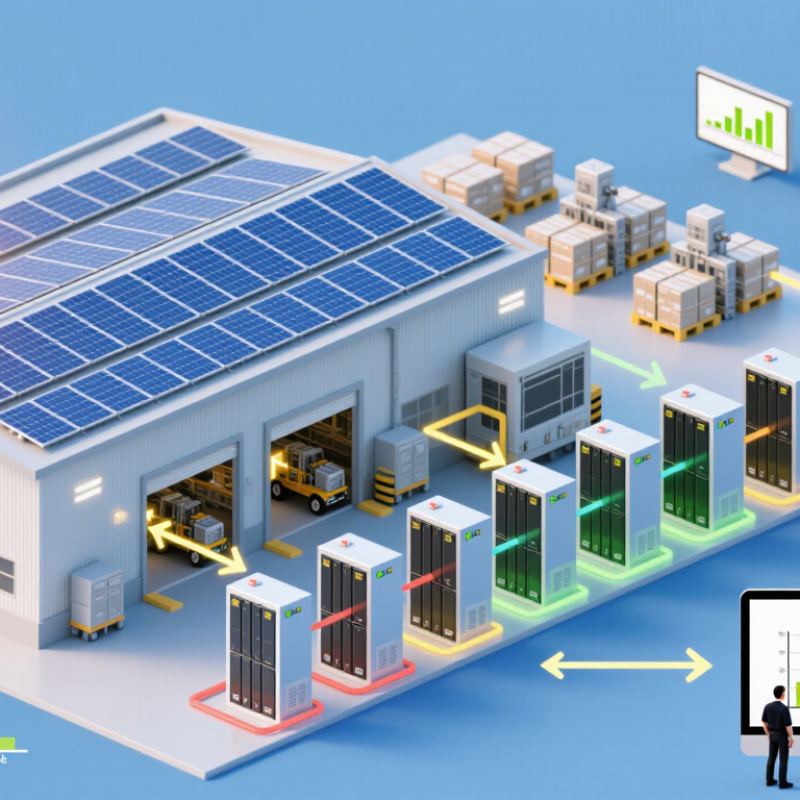
Solar panels and batteries form a practical energy system for many businesses. Panels convert sunlight into direct current electricity. An inverter then changes it into usable alternating current for lighting, computers, refrigeration, and machinery.
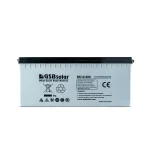
During sunny hours, the business can use solar power immediately. Extra electricity charges the battery instead of returning unused energy to the grid. Later, the battery can supply power after sunset or during periods of high demand. This may reduce peak electricity costs. It can also provide short-term backup when the grid fails, although backup performance depends on system design.
Real-world results depend on roof space, weather, operating hours, and battery capacity. A site assessment should examine load data, not guesses. For example, a bakery may need strong early-morning power, while an office may consume more energy in the afternoon. Battery systems also lose some energy during charging and discharging. That detail is easy to overlook. It deserves honest attention.
Tips:
Review at least twelve months of electricity bills.
Match battery size with your busiest operating periods.
Keep essential circuits separate from nonessential equipment.
Ask a qualified installer about ventilation, maintenance, monitoring, and safe shutdown procedures.
Do not assume the largest battery is the best choice.
How Energy Storage Improves Business Resilience
Why Choose Solar and Battery Storage for Your Business?
Energy storage improves resilience by keeping essential operations running during grid interruptions. A battery can support refrigeration, servers, pumps, lighting, and payment systems within seconds. Solar generation can then recharge the battery during daylight hours. This reduces dependence on fuel deliveries and unstable grid conditions.
The need is measurable.
The U.S. Energy Information Administration reported that electricity customers experienced about 5.5 hours of interruptions in 2022, including major events. Globally, the International Energy Agency reported that battery storage additions more than doubled in 2023, reaching about 42 gigawatts.
These figures show a rapidly growing response to reliability concerns. They also reveal a practical lesson: storage is becoming infrastructure, not merely an energy-saving device.
Planning still matters.
A battery cannot protect every load indefinitely. Businesses should identify critical circuits, estimate peak demand, and test backup controls under realistic conditions.
That is the weak point.
Poorly sized systems may drain before crews restore the grid. Solar panels may also produce less during storms, when resilience matters most.
Combining storage with load shedding, safe operating procedures, and regular maintenance creates stronger protection. The U.S. Department of Energy emphasizes that resilient energy systems depend on coordinated generation, storage, controls, and demand management.
No system is perfect. Careful testing remains essential.
Key Factors to Consider Before Choosing a System
Why Choose Solar and Battery Storage for Your Business?
Before choosing a solar and battery system, study how your business actually uses electricity. Review twelve months of utility bills, including demand charges and seasonal peaks. A bakery may need steady power before dawn, while an office peaks after sunrise. The system must match these patterns, not just the available roof space. An hourly load analysis can reveal whether batteries should reduce evening costs, protect critical equipment, or support limited backup power.
Inspect the site carefully. Check roof age, shading, structural capacity, fire access, and space for electrical equipment. Battery location matters because heat, moisture, and restricted ventilation can affect safety and performance. Ask qualified contractors for documented training, permits, inspection procedures, and clear maintenance responsibilities. Confirm local grid rules before ordering equipment. Delays can become expensive.
Review the financial model with healthy doubt. Include installation, financing, monitoring, insurance, maintenance, battery degradation, and possible utility changes. A promising spreadsheet may ignore replacement costs. It happens. Request conservative production estimates and written warranty terms. Ask who responds if the system underperforms or the battery fails. Businesses should also define essential loads, such as refrigeration, servers, pumps, or security systems. A short outage test can expose weak assumptions before a real emergency. Performance data should be reviewed regularly, preferably by someone who understands both electrical systems and operating costs.
Why Choose Solar and Battery Storage for Your Business?
Key factor: rising commercial electricity prices can improve the value of on-site solar generation, while battery storage helps shift energy use away from expensive periods and manage peak demand.
U.S. average commercial retail electricity prices increased from 10.68 cents/kWh in 2019 to 13.36 cents/kWh in 2023. Actual savings depend on solar production, load profile, utility tariffs, demand charges, battery size, and local incentives.
Source: U.S. Energy Information Administration, Electric Power Monthly.