2026 Top Trends in Solar Energy Innovations and Technologies?
The solar energy sector is evolving rapidly, driven by innovation and technological advancements. As we look ahead to 2026, several emerging trends promise to reshape how we harness and utilize solar power. These innovations not only enhance efficiency but also increase accessibility for consumers and businesses alike.
New materials are entering the market, such as perovskite solar cells. These cells could revolutionize solar energy by offering higher efficiency at lower costs. Additionally, advancements in energy storage technologies, like improved batteries, play a vital role in addressing the intermittency of solar energy. They make it possible to store excess energy for later use.
However, challenges remain. The integration of solar energy into existing grids can be complex. Policy frameworks must evolve to promote renewable energy adoption. Moreover, public awareness of solar energy benefits is still limited in many regions. Hence, an ongoing dialogue is essential to drive these innovations into mainstream acceptance, ensuring we move toward a sustainable energy future.
Emerging Solar Photovoltaic Technologies and Their Impact on Efficiency
The solar energy landscape is rapidly evolving. New photovoltaic technologies are emerging, significantly altering efficiency metrics. According to a recent report by the International Energy Agency, global solar capacity has grown to over 900 GW in 2023. By 2026, improved solar cell efficiencies are set to exceed 30% for the first time in commercial applications. This leap in performance is driven by advanced materials, such as perovskite and bifacial solar cells.
These technologies allow for higher energy capture and better light absorption. For instance, bifacial cells absorb sunlight from both sides, enhancing overall output. However, the transition to these innovative solutions isn’t without challenges. Manufacturing processes need refinement to ensure scalability. Additionally, environmental impacts during production remain a pressing concern. Enhanced efficiency must not come at the expense of sustainability.
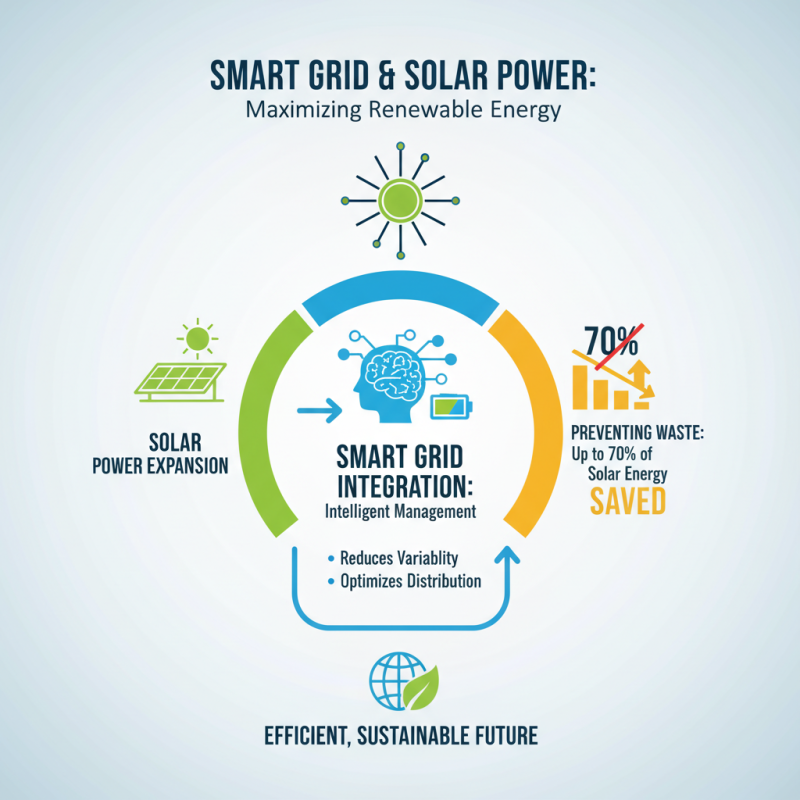
Emerging designs also aim for better integration with smart grid systems. This could lead to more distributed energy generation and resilience against outages. Yet, the implementation of smart technology requires significant investment and infrastructure upgrades. Many regions still lag behind, risking inconsistency in energy transition. The future of solar energy hinges on addressing these disparities while striving for innovation.
Advancements in Solar Thermal Energy: Innovations and Applications
The advancements in solar thermal energy are transforming the renewable sector. Recent studies show that solar thermal systems can achieve efficiencies over 70%. This is significant when compared to traditional methods, which often fall short. These systems utilize sunlight to generate heat, which can be used for electricity or heating purposes.
Innovations such as advanced materials and design improvements have enhanced performance. For instance, concentrating solar power (CSP) technology is now able to store heat for several hours. This can provide electricity even when the sun sets. However, challenges remain. Initial installation costs can be high. Additionally, the efficiency of these systems can be influenced by geographic location and weather conditions.
In recent years, research indicates a growing interest in hybrid solar thermal systems. These systems combine solar with other energy sources to improve reliability. The hybrid approach can mitigate some of the limitations of solar thermal alone. As these technologies develop, they offer promising solutions but require further exploration and investment to realize their full potential.
2026 Advancements in Solar Thermal Energy Innovations
Energy Storage Solutions Enhancing Solar Energy Utilization
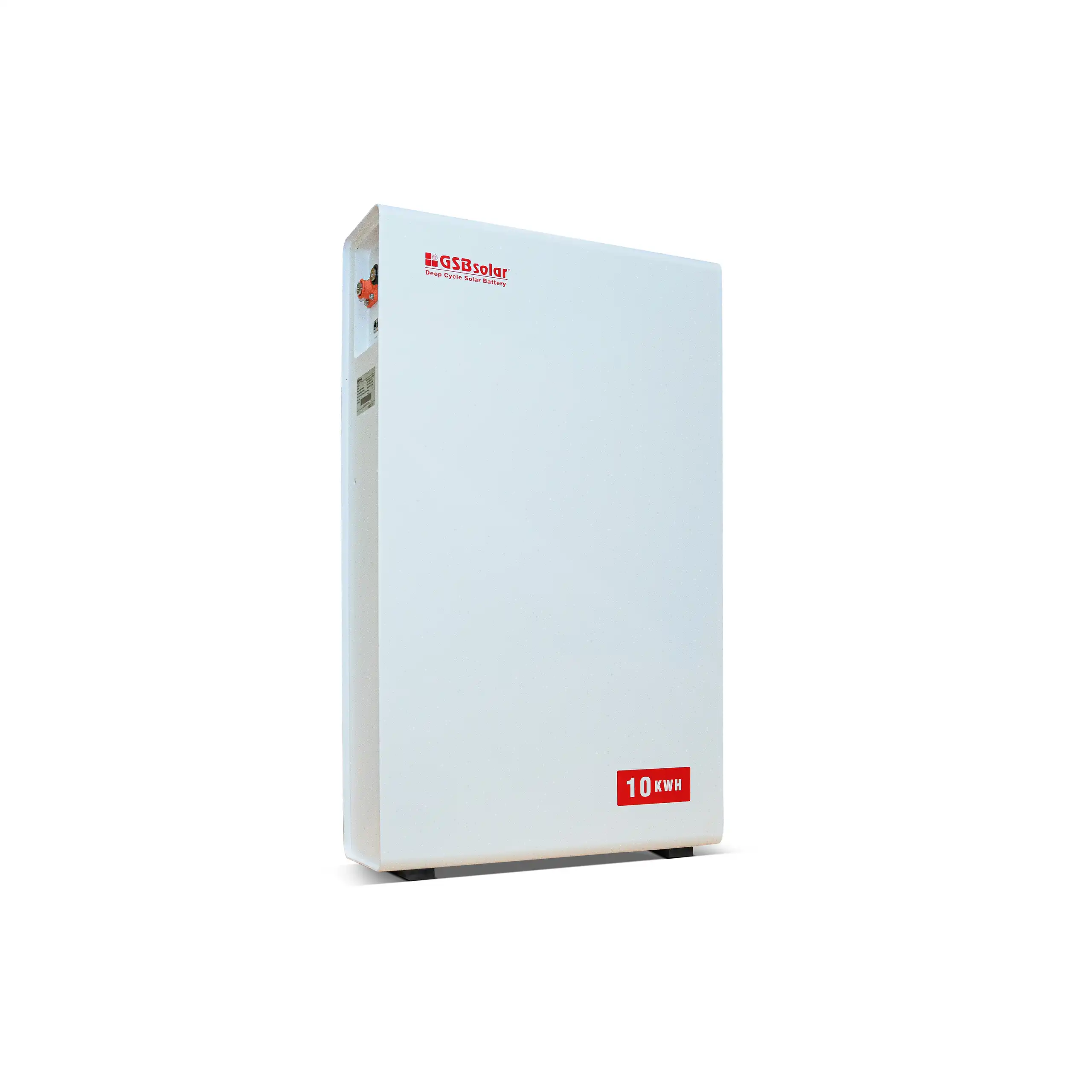
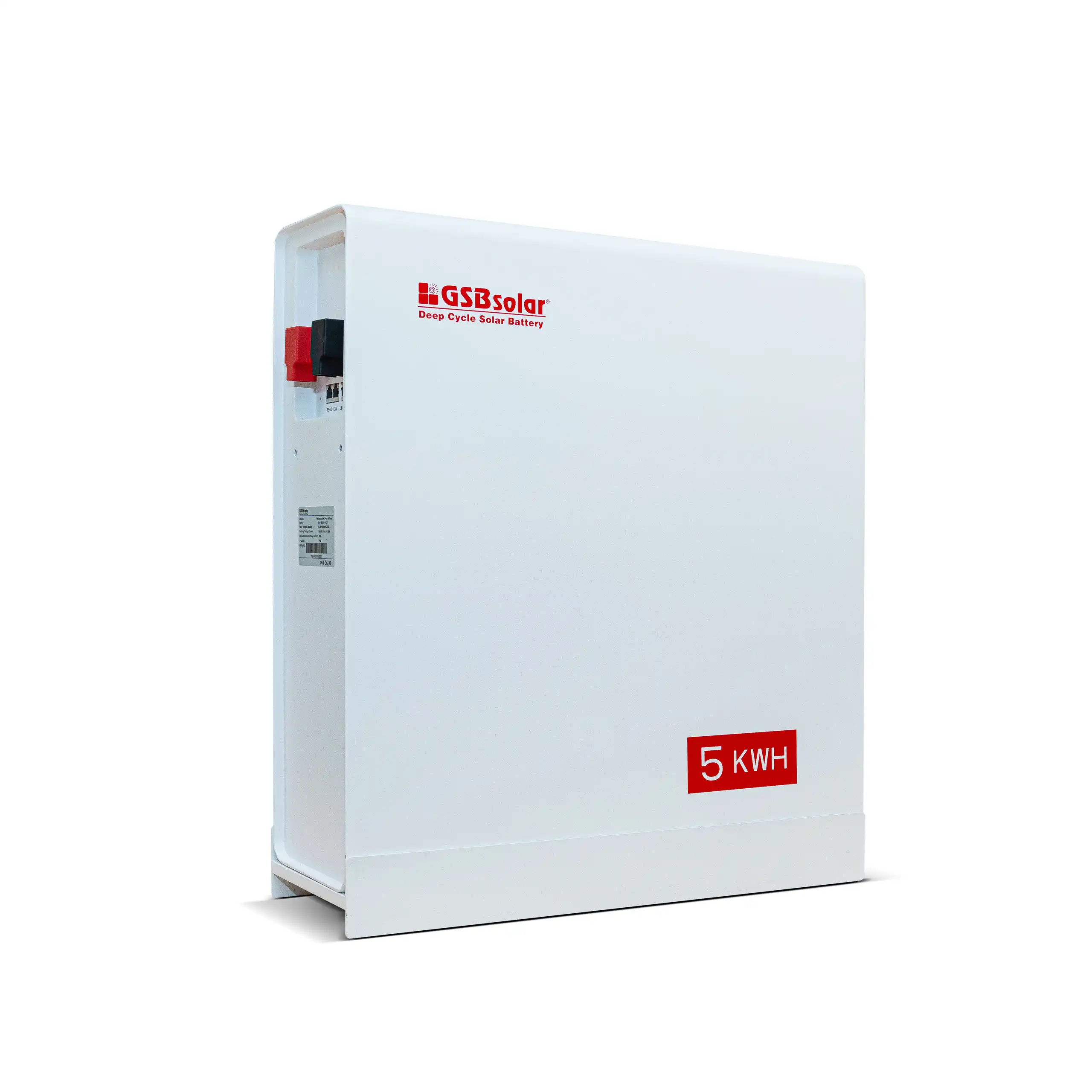
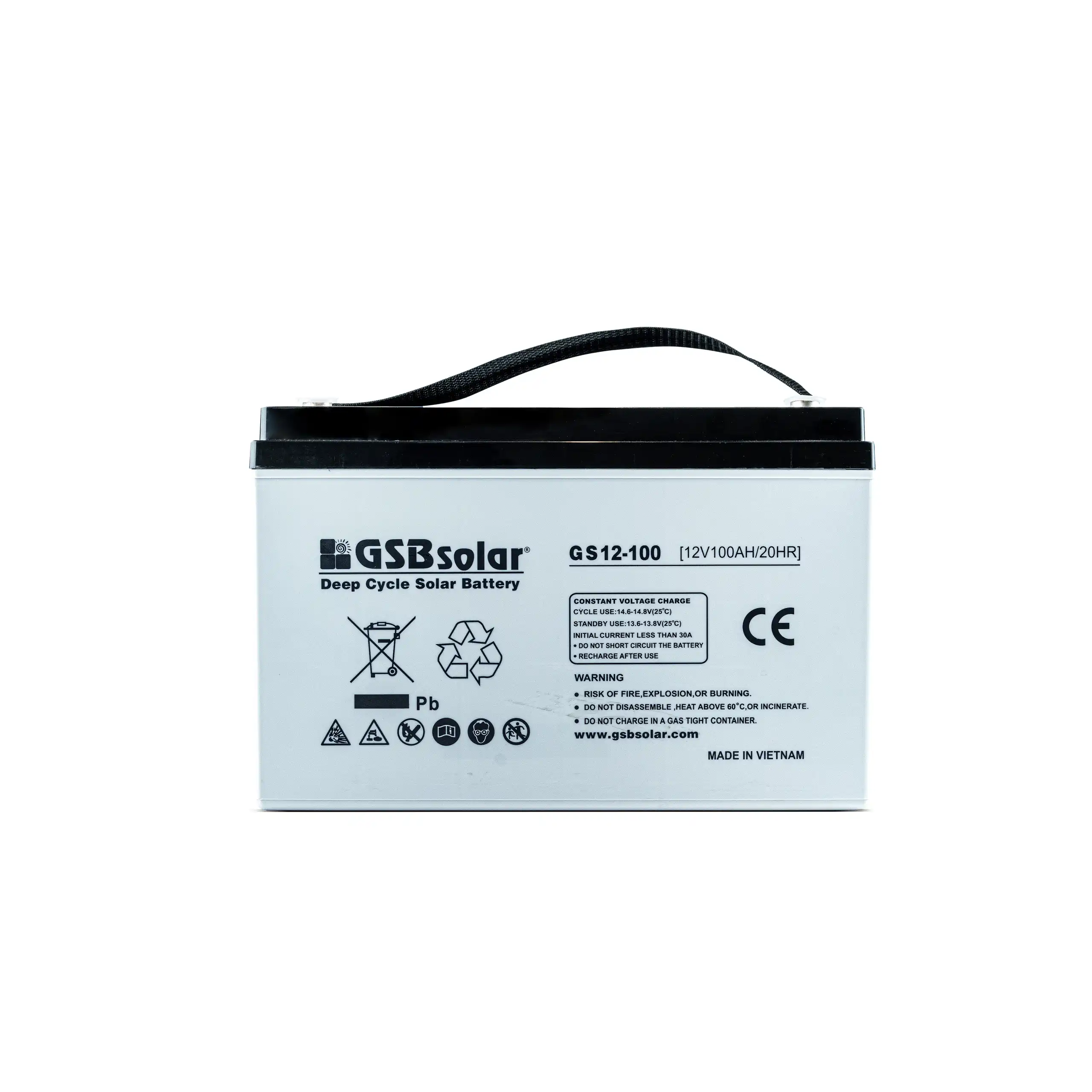
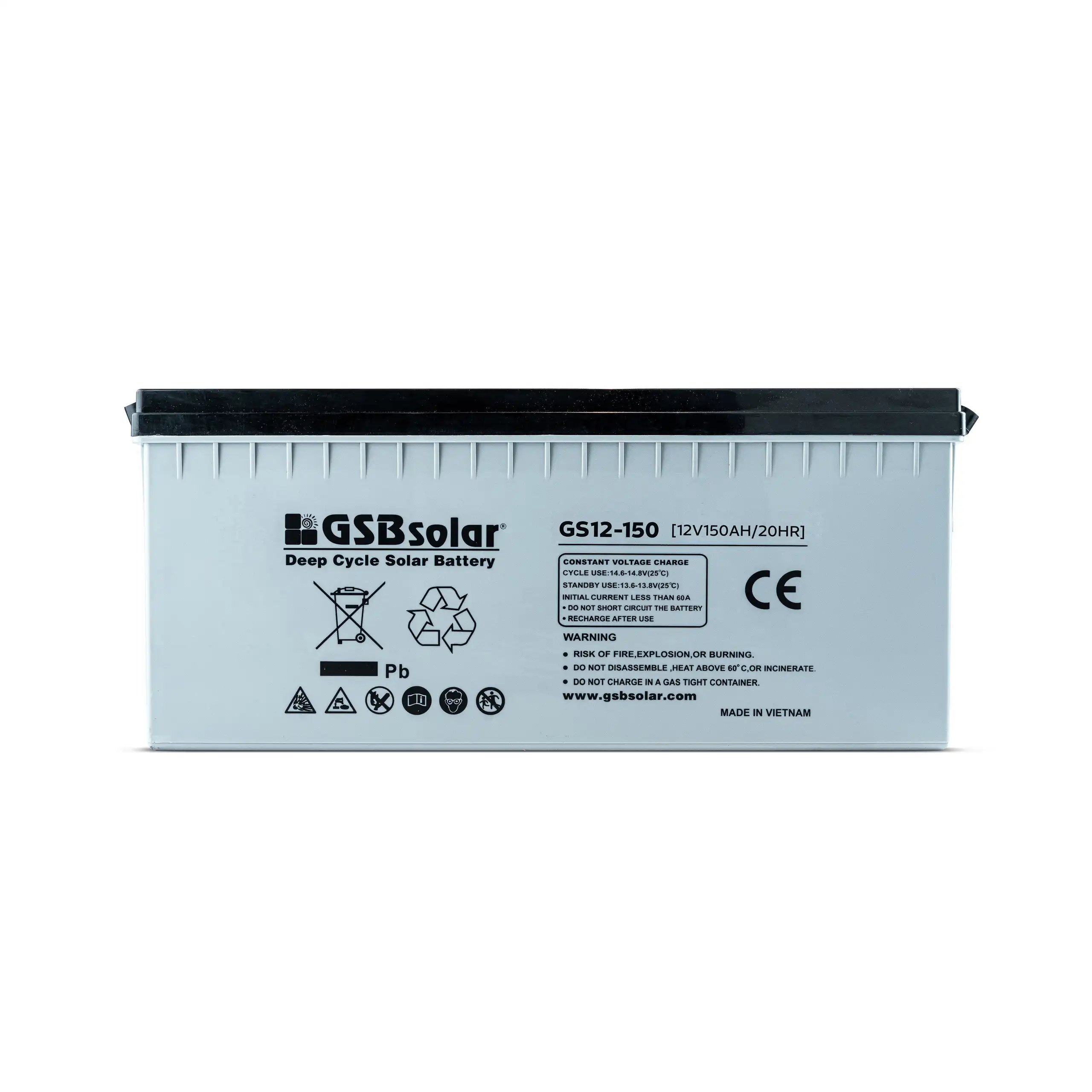
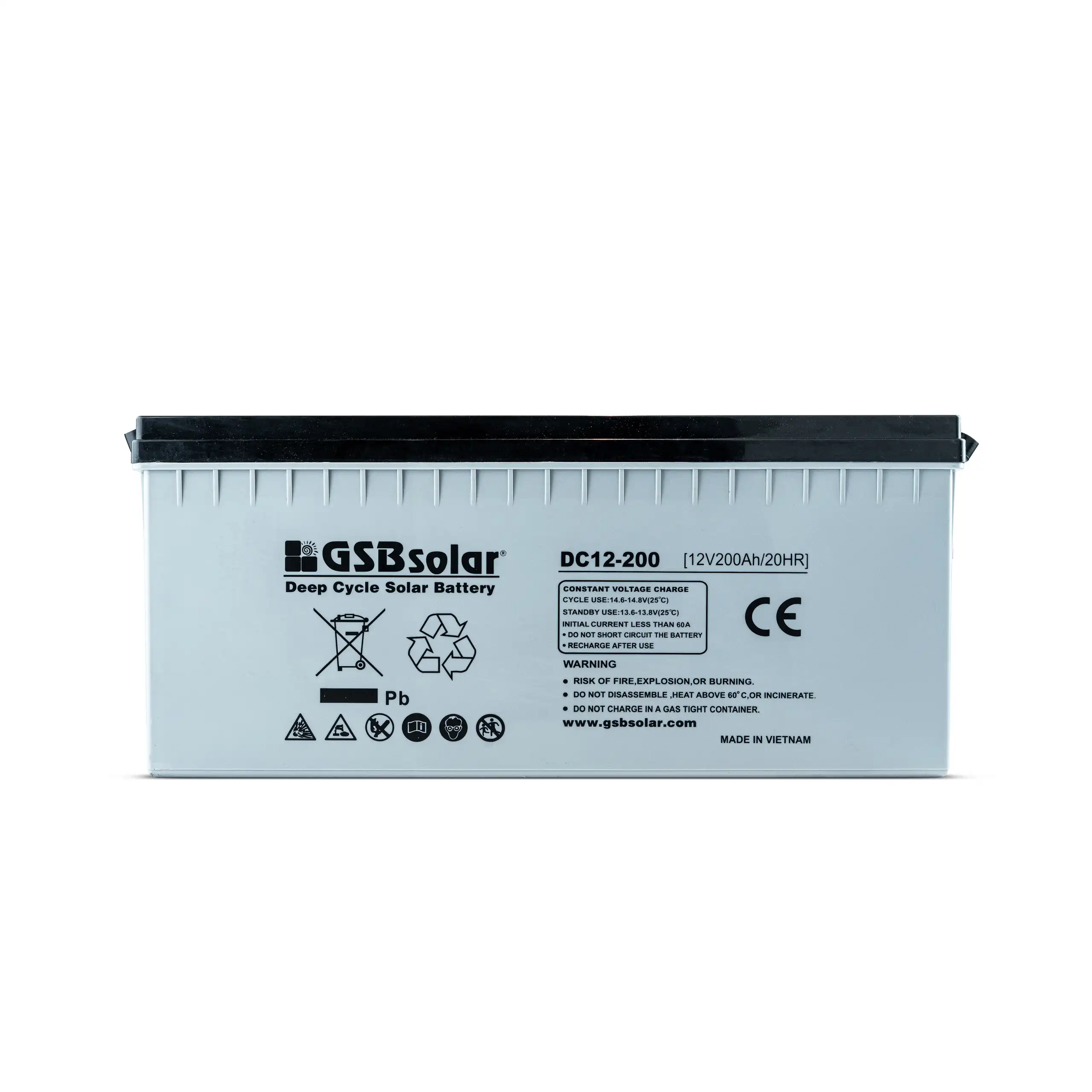
The rise of energy storage solutions is transforming solar energy utilization. These innovations are critical for managing supply and demand. They store excess power generated during sunny days for use when the sun isn’t shining. This capability enhances the reliability of solar energy systems.
Advanced battery technologies are making solar energy more accessible. With improved efficiency, these batteries can hold more energy and last longer. This improvement allows consumers to rely less on grid power. It brings peace of mind during power outages or high-demand periods.
Tip: Consider investing in a home solar battery system. It can significantly reduce your energy bills. Also, take the time to research various storage options before purchasing. Not all batteries are created equal.
Making the shift to solar isn’t without challenges. Installation can be complex, and costs may be high upfront. Many still struggle with understanding how these systems work. It’s essential to have realistic expectations about returns on investment. Continuous learning and adjustment are key in this evolving field.
2026 Top Trends in Solar Energy Innovations and Technologies
| Trend |
Description |
Impact on Solar Utilization |
Year of Expected Implementation |
| Advanced Energy Storage Systems |
Higher capacity batteries that can store solar energy more efficiently. |
Increases energy availability during non-sunny hours. |
2026 |
| Bifacial Solar Panels |
Solar panels that capture sunlight on both sides for increased efficiency. |
Maximizes energy generation per unit area. |
2025 |
| Solar Microgrids |
Local grids that can operate independently and boost energy resilience. |
Enhances energy security and reliability in remote areas. |
2026 |
| Transparent Solar Cells |
Glasses that can also generate electricity while allowing light to pass through. |
Innovative applications in buildings and vehicles. |
2025 |
| AI-Driven Energy Management |
Artificial intelligence systems optimizing solar energy usage based on real-time data. |
Improves efficiency and reduces wasted energy. |
2026 |
Sustainability and Environmental Considerations in Solar Technology Development
Sustainability plays a vital role in solar technology development. As innovations arise, it's crucial to focus on their environmental impact. Solar panels can be made from recyclable materials. This reduces waste and promotes sustainable practices. However, not all materials are equally eco-friendly. Selecting the right components is essential.
Tips: Choose products with a low carbon footprint. Research the lifecycle of solar materials. Consider local regulations on waste management.
Moreover, efficient energy production remains a concern. Solar technologies must balance efficiency and sustainability. Some new methods may improve efficiency but use harmful materials. This creates a contradiction. It’s important to evaluate trade-offs carefully.
Tips: Stay informed about the latest research. Engage with sustainability groups. Make eco-conscious choices when installing solar systems.