What is the relationship between solar and battery technology?
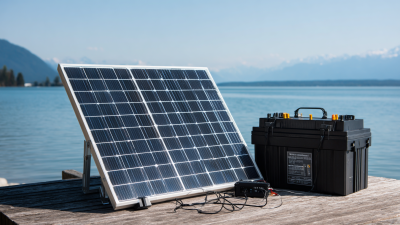
The synergy between solar and battery technology has gained significant attention in recent years. As renewable energy sources grow, understanding their dynamics is crucial. Solar energy harnesses sunlight, but it is often intermittent. This is where battery storage becomes vital. Batteries store excess energy generated during peak sunlight hours for later use.
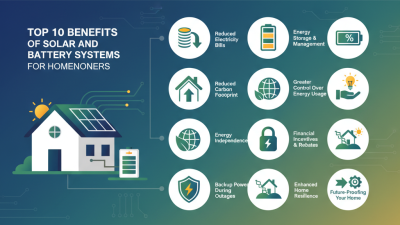
Many homeowners now install solar panels alongside battery systems. This combination enhances energy independence. Users can rely less on the grid. However, challenges remain. Not all battery technologies are efficient. Some can be costly, raising questions about economic feasibility. Furthermore, not every solar system works well with available battery options.
Emerging technologies aim to bridge these gaps. Innovations in solar and battery integration can lead to more sustainable energy solutions. As we delve deeper into this relationship, we must reflect on the practicalities and limitations of current systems. Balancing efficiency, cost, and accessibility is essential for broader adoption.
The Role of Solar Energy in Modern Energy Systems
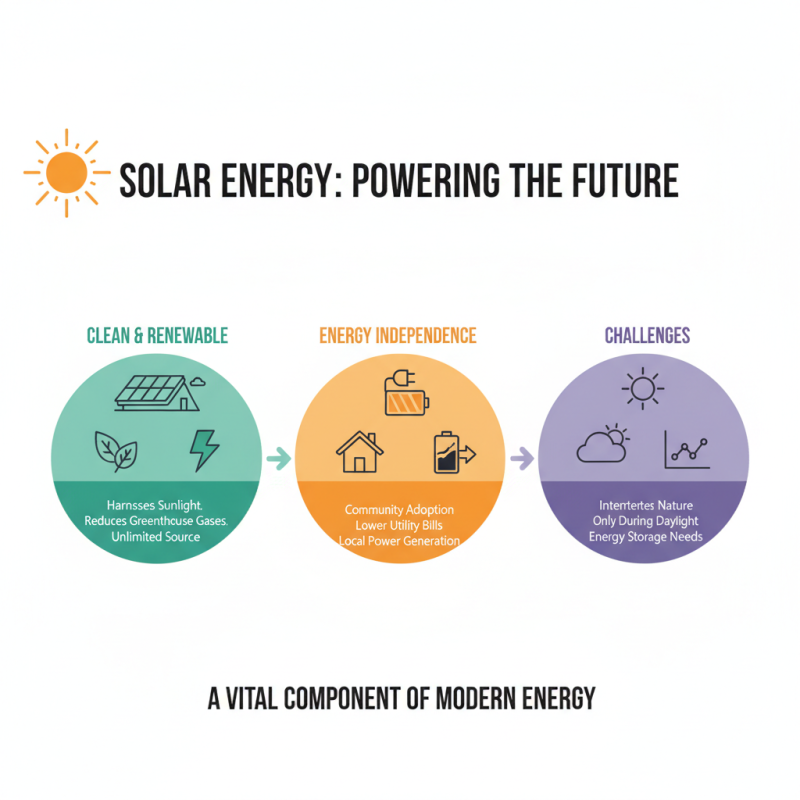
Solar energy has emerged as a vital component of modern energy systems. Its ability to harness sunlight makes it a clean and renewable energy source. Many communities are increasingly turning to solar panels for electricity generation. This shift not only reduces greenhouse gas emissions but also provides energy independence. However, the intermittent nature of solar power poses challenges. Solar energy can be harnessed only during daylight hours, which raises questions about consistent energy availability.
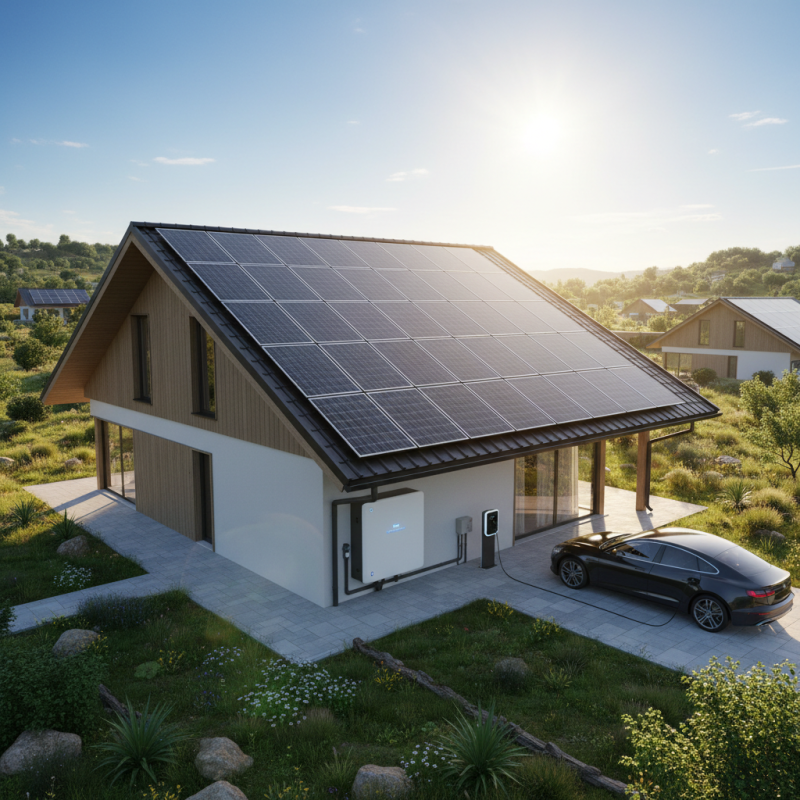
This is where battery technology plays a crucial role. Batteries store excess energy generated during sunny days. They allow users to access solar power even when the sun isn’t shining. For instance, a household with solar panels can store energy in a battery for nighttime use. Yet, the current limitations in battery capacities and costs can hinder widespread adoption. People may find it hard to invest in extensive battery systems. While solar energy is growing, the integration of efficient battery storage remains a work in progress.
The relationship between solar and battery technology is not without its complexities. Balancing energy demands with storage capabilities is a challenge. As technology evolves, efficiency in both sectors may improve. Innovations could lead to better storage solutions. However, the need for continual reflection on environmental impacts persists. Awareness and education about renewables are crucial for future advancements.
Advancements in Battery Technology: Supporting Renewable Energy
The rise of renewable energy sources, especially solar power, has changed the global energy landscape. Solar panels capture sunlight and convert it into electricity. However, the intermittent nature of solar energy presents challenges. Battery technology plays a crucial role in addressing this issue by storing energy when the sun shines. This stored energy can be used when sunlight is not available.
Advancements in battery technology have been impressive. Newer batteries are lighter, more efficient, and longer-lasting. For example, lithium-ion batteries have become popular due to their high energy density. They can store significant amounts of power in a compact space. However, these technologies are not without flaws. Current battery materials often require rare minerals, which can be environmentally damaging to extract. The recycling of used batteries is still a challenge, raising concerns about waste management.
Moreover, the rapid pace of development creates gaps. Some solutions may not be tested thoroughly, leading to potential reliability issues. As we push for cleaner energy, it's vital to ensure that the technologies supporting solar power are sustainable themselves. The goal is not only to harness solar energy but to do so responsibly, paving the way for a greener future.
Advancements in Battery Technology Supporting Renewable Energy
Synergy Between Solar Panels and Energy Storage Solutions
The synergy between solar panels and energy storage solutions is crucial. Together, they create an efficient energy ecosystem. Solar energy production peaks during the day. However, energy demand often rises in the evening. This creates a gap. Energy storage systems, like batteries, can bridge this gap.
According to a recent market analysis, global energy storage capacity is expected to grow by over 30% annually. This is significant for renewable energy use. Solar panels paired with battery storage can reduce electricity costs. They can also increase energy independence. By storing excess solar power generated during the day, consumers can use it during high-demand periods.
Despite these advantages, challenges remain. Battery technology still needs improvement. Current models may degrade over time and require significant investment. Additionally, recycling issues pose environmental concerns. Industry reports suggest that by 2025, recycling processes must advance to prevent waste. Balancing these factors is key to maximizing solar and battery technology’s role in a sustainable energy future.
What is the relationship between solar and battery technology? - Synergy Between Solar Panels and Energy Storage Solutions
| Dimension |
Solar Technology |
Battery Technology |
Synergy |
| Energy Generation |
Converts sunlight into electricity |
Stores electrical energy for later use |
Solar power can charge batteries during the day |
| Efficiency |
Typically around 15-22% |
Varies by technology, usually 80-95% |
Higher battery efficiency can enhance overall system performance |
| Cost |
Decreasing costs, around $1000 per kW |
Also decreasing, approximately $400-$700 per kWh |
Cost-effective systems integrate both technologies |
| Environmental Impact |
Minimal, renewable energy source |
Dependant on materials used, some recyclable options |
Combining reduces carbon footprint |
| Applications |
Residential, commercial, utilities |
Home energy storage, grid stabilization |
Power outages, peak load shaving, energy independence |
Market Trends: Increasing Demand for Solar and Battery Installations
The demand for solar energy and battery installations is rising rapidly across the globe. Homeowners and businesses are increasingly seeking sustainable energy solutions. This trend is driven by the necessity to reduce electricity costs and reliance on fossil fuels. In many regions, people are considering solar panels and batteries as essential components of energy independence.
Installing solar panels alone does not always meet energy needs. Building an effective energy system requires complementary battery storage. Batteries store excess solar energy for later use, especially during peak usage hours or cloudy days. However, some installations lack efficient battery systems. This leads to wasted energy and less optimal savings.
Market trends show growing interest in hybrid solar and battery systems. Incentives and subsidies are encouraging more installations. Uncertainties still linger, though. Not all solar and battery technologies are compatible. Consumers may struggle to navigate this complex landscape. Balancing cost, efficiency, and environmental impact demands careful consideration.
Technological Innovations Driving Solar and Battery Integration
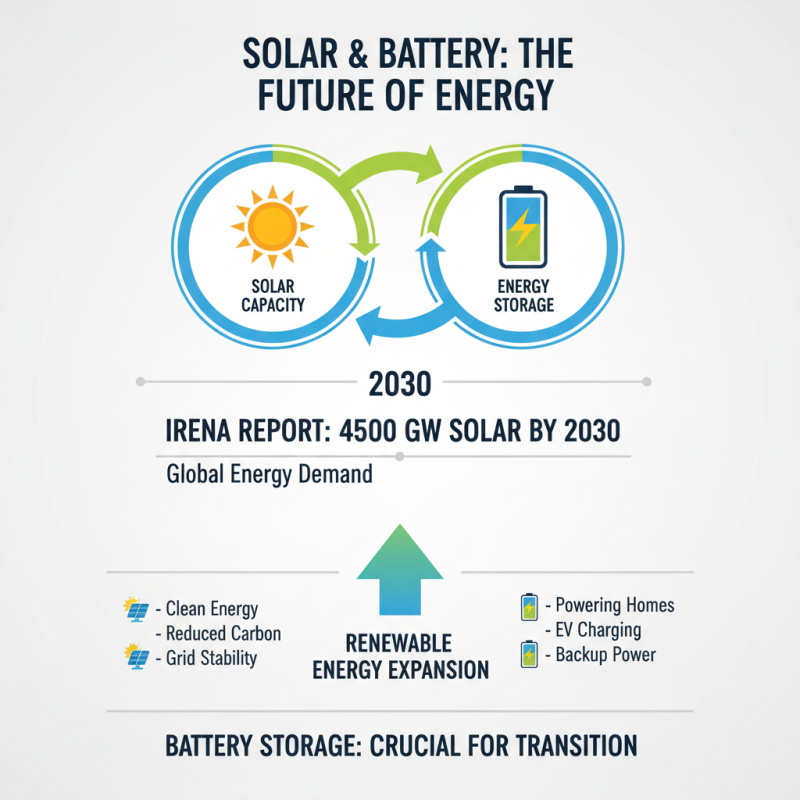
The integration of solar and battery technology has gained momentum in recent years. This relationship is pivotal for renewable energy expansion. According to a report by the International Renewable Energy Agency (IRENA), to meet global energy demands, solar capacity must reach 4,500 GW by 2030. Battery storage plays a crucial role in this transition.
Recent technological advancements have enhanced battery efficiency. The costs of lithium-ion batteries fell by about 89% from 2010 to 2020. This makes solar energy storage more accessible to households and businesses. Despite these improvements, challenges remain. Many users find battery installation complex and costly upfront.
Moreover, not all solar systems efficiently pair with batteries. System mismatches can lead to underperformance. Research from BloombergNEF highlights that while 10% of solar installations include battery storage now, this percentage could grow dramatically. A more coordinated approach is essential. As policymakers and innovators explore solutions, the future of solar-battery integration holds promise but also requires careful navigation of existing hurdles.