How to Harness Solar Energy for Your Home Efficiently?
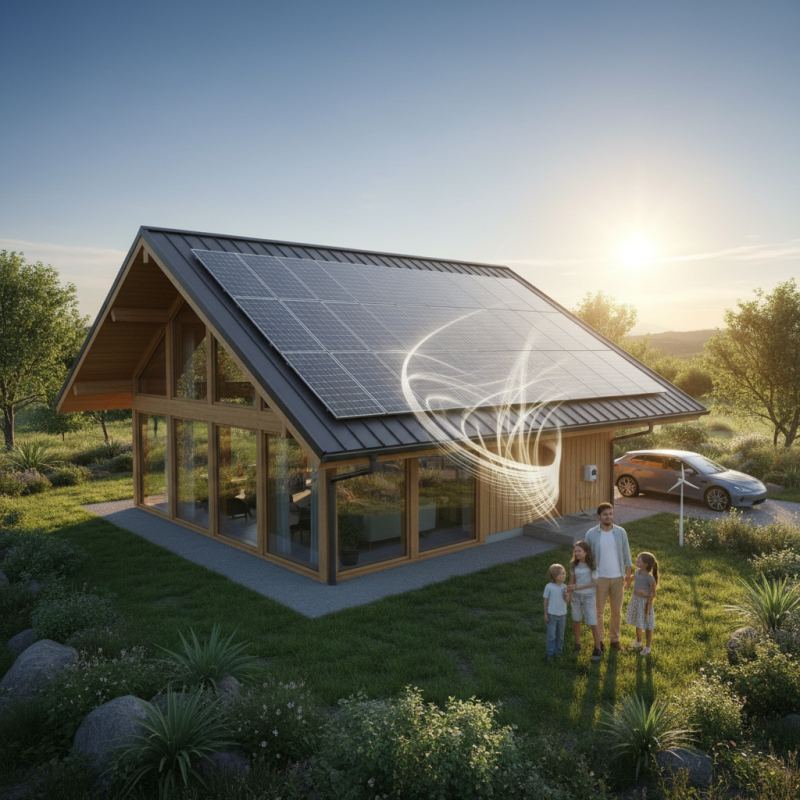
Harnessing solar energy for your home can seem daunting. However, it offers great benefits. Solar energy allows homeowners to reduce energy bills and lower carbon footprints. It is a renewable resource that can power your everyday needs.
To make the most of solar energy, you need to understand your options. Solar panels are a popular choice, but they require upfront investment and space. Additionally, the location of your home matters. Some areas receive more sunlight than others. This can affect the efficiency of your solar system.
Reflecting on your energy usage can lead to better decisions. Assess how much power your household consumes. This insight will help you choose the right solar technology. Embracing solar energy is a journey that involves trial and error. It's important to learn from setbacks and adjust your plans accordingly. Embracing this resource may transform your home and contribute positively to the environment.
Understanding Solar Energy Basics for Home Use
Solar energy is a viable option for households looking to reduce energy costs. Understanding the basics is crucial. Solar panels convert sunlight into electricity. This technology can lower your utility bills significantly. According to the National Renewable Energy Laboratory, a well-placed solar panel system can save homeowners around $30,000 over 20 years.
Many homes can benefit from solar energy. However, installation costs are a barrier. The initial investment can be high, but incentives exist. A report from the Solar Energy Industries Association notes that residential solar installations grew by 167% over the last decade. This growth showcases the potential benefits, even as many grapple with upfront costs.
Homeowners should assess their energy needs critically. Not all homes are suitable for solar panels. Factors like roof orientation and shading must be considered. A poor installation might lead to inefficiencies. Thus, conducting thorough research before making decisions is vital. Embracing solar energy can be rewarding, yet preparation is key for optimal results.
Evaluating Your Home's Solar Energy Potential
Evaluating your home's solar energy potential is crucial for efficient energy harnessing. Start by assessing your roof's orientation and angle. Roofs facing south usually capture the most sunlight. According to the Department of Energy, a well-placed solar panel can generate up to 20% more energy than a poorly oriented one.
Next, consider your local climate. Regions with high sunlight exposure yield better results. A study from the National Renewable Energy Laboratory shows that homes in sunny areas can double their solar output compared to those in cloudy regions. However, don’t overlook seasonal changes. In winter, snow or shade can reduce efficiency. Keep an eye on tree growth around your home, as it may cast unwanted shadows.
Finally, evaluate your energy needs. Analyze your energy bills over the past year. This will give you insights on how many panels you might need. A typical U.S. home uses about 877 kWh per month, which may need around 24 solar panels for full offset. Be realistic about your goals—oversizing can lead to wasted energy and unnecessary costs.
Types of Solar Energy Systems Suitable for Homes
When considering solar energy for your home, it’s essential to explore different systems. A grid-tied system connects directly to the local power grid. This type is popular due to its flexibility and lower cost. Homeowners save money on electricity and can sell excess energy back. However, in case of a power outage, this system may not function. It’s a trade-off between reliability and cost.
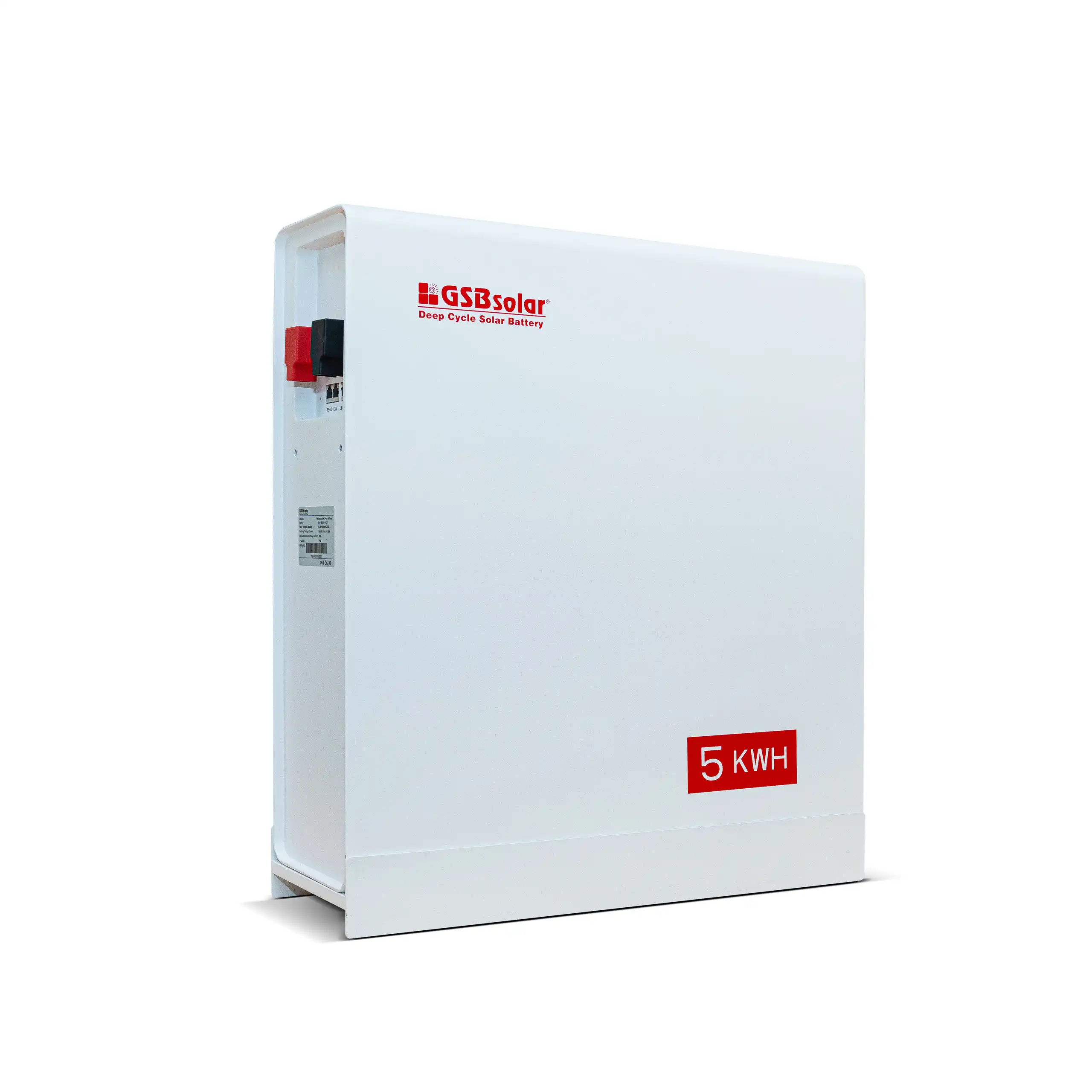
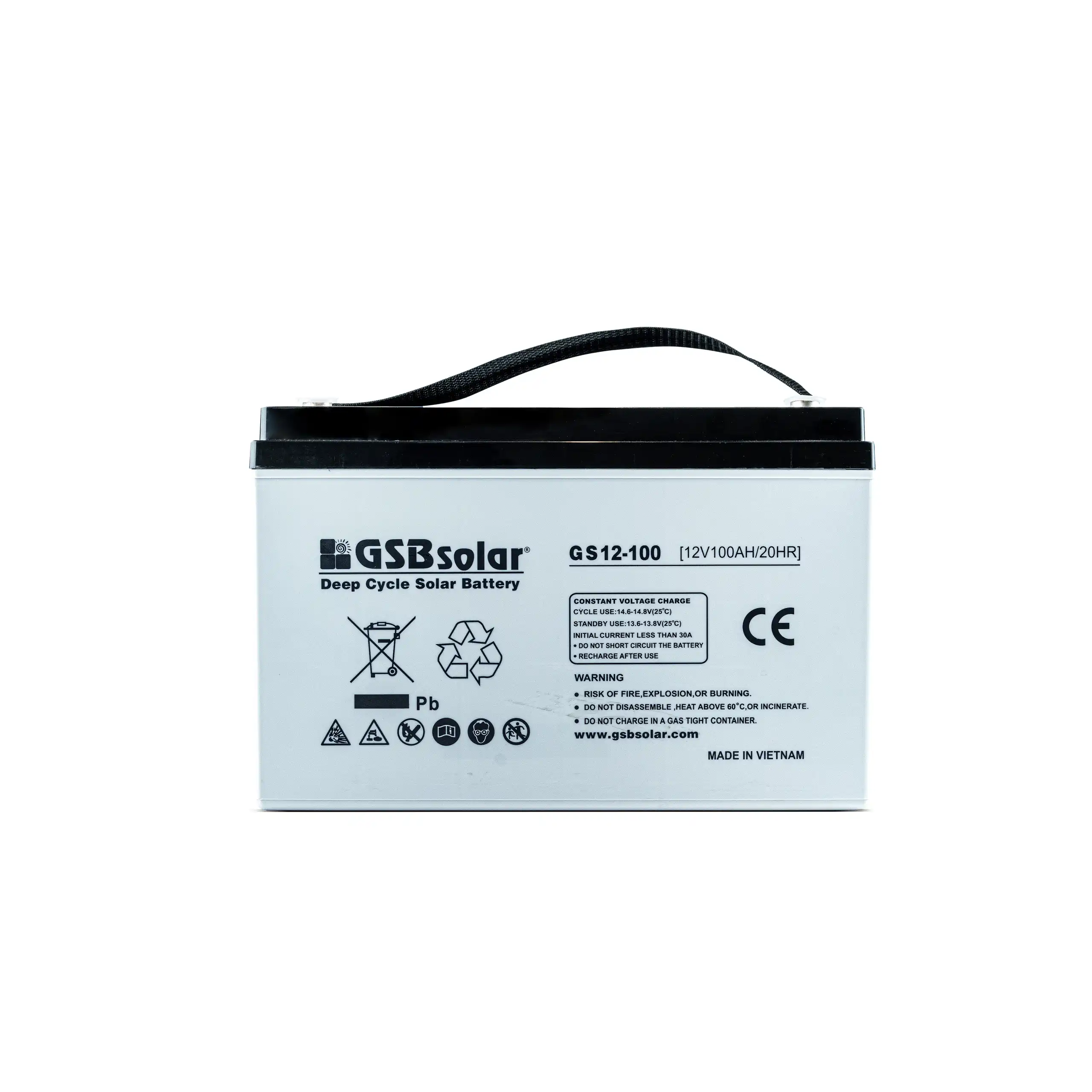
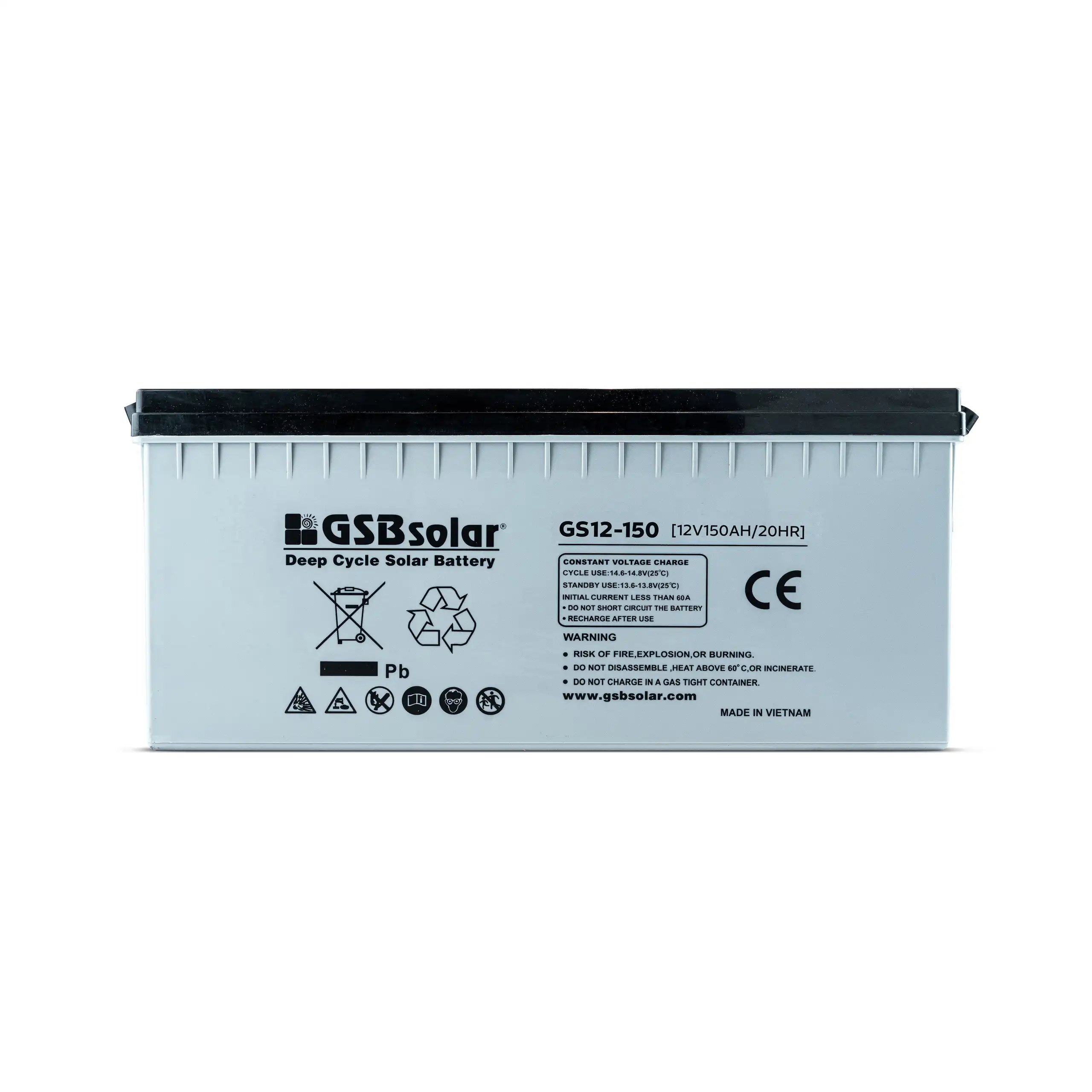
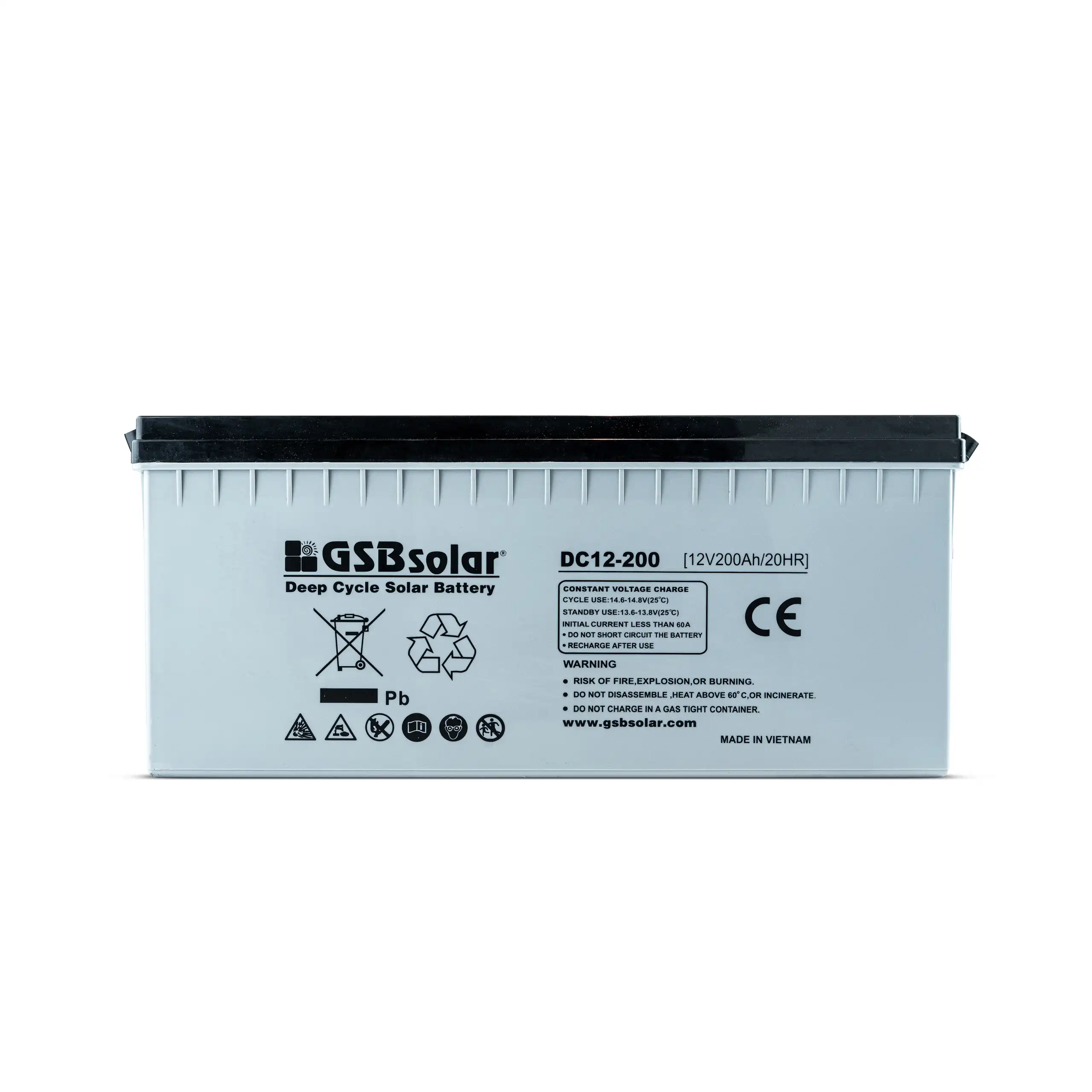
Another option is the off-grid system. This setup is independent from the grid, relying entirely on solar energy. It offers complete energy autonomy, making it appealing for remote locations. However, it often requires battery storage, which can be expensive. Maintenance for batteries can also be a hassle. It’s vital to assess storage needs carefully.
Hybrid systems combine the best of both worlds. They have solar panels, a connection to the grid, and battery storage. Hybrid systems offer flexibility during outages while still allowing for grid dependency. They can be complicated to install, and costs may add up. Choosing the right system involves weighing reliability, costs, and your specific energy needs. It’s not a one-size-fits-all situation. A careful analysis of various factors is necessary.
Installation Process: Steps to Set Up Solar Panels
Installing solar panels can be a rewarding yet complex process. Understanding the steps involved can help you harness solar energy efficiently. Begin by assessing your roof's condition and sunlight exposure. Check for any obstructions, like trees or vents. A clear, unobstructed roof is ideal for optimal energy capture.
Next, secure necessary permits before installation. This step can be frustrating and time-consuming. Delays may occur if documentation is inadequate. Also, consider your local regulations. Not all areas have the same requirements.
Tips: Always consult with a professional installer. Their expertise can save time and ensure safety. After installation, monitor the system's performance regularly. Look for any drops in energy production. Early detection of issues can prevent costly repairs later.
During the installation, expect some setbacks. Weather conditions can delay your project. Be prepared to adjust timelines. Patience is essential in this process. Fine-tuning your system can take time, but it's worth it for long-term benefits.
Maintaining and Optimizing Your Solar Energy System
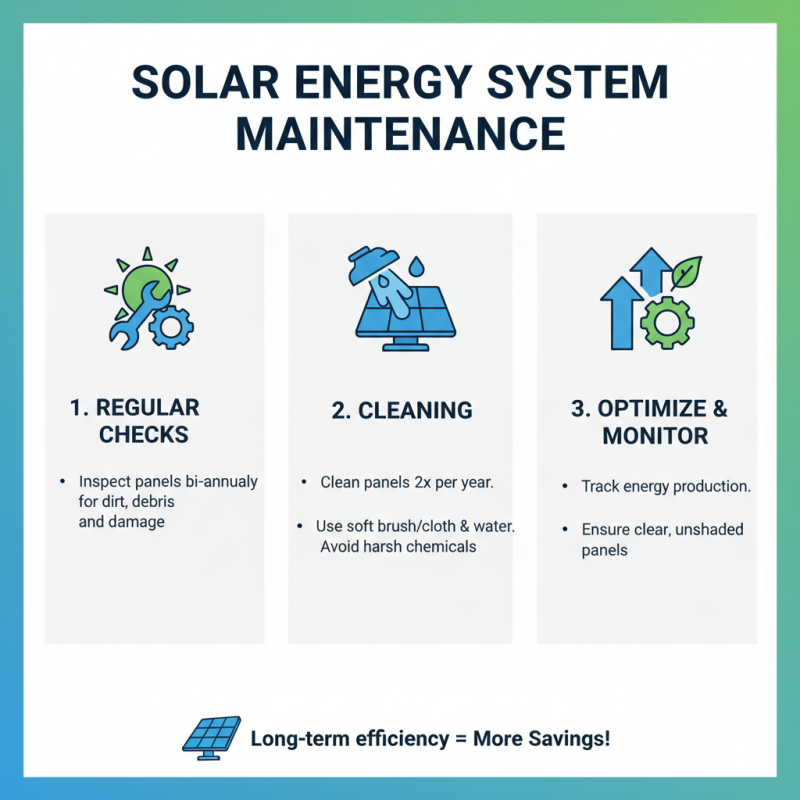
Maintaining and optimizing your solar energy system is crucial for long-term efficiency. Regular checks on your solar panels are necessary. Dirt and debris can accumulate. This buildup decreases energy production. Clean your panels at least twice a year. Use soft materials to avoid scratches.
To maximize efficiency, monitor your system's performance. If you notice a drop in energy output, investigate the cause. Sometimes, it might be just a shadow from a nearby tree. Trim those branches for better sunlight access.
Tip: Consider investing in a solar monitoring app. It can track your energy production and alert you to issues. This proactive approach can save you money and hassle. Remember, small adjustments can lead to significant improvements in energy capture. Regular maintenance ensures that your system operates at its best, avoiding costly repairs down the line.