Why You Should Consider a Solar Kit for Your Energy Needs?
As energy costs continue to rise, more people are exploring sustainable solutions. A solar kit offers a practical and effective way to harness solar energy for daily use. According to the Solar Energy Industries Association, residential solar installations grew by over 20% last year. This growth reflects the increasing demand for clean energy sources.
Solar kits are designed for easy installation and usability. They typically come with solar panels, inverters, and necessary mounting equipment. The U.S. Department of Energy reports that solar energy can reduce household electricity bills by 50% or more. However, potential buyers often overlook maintenance and space requirements. Evaluating personal energy needs is crucial before making a commitment.
While the benefits of solar kits are significant, challenges still exist. For instance, upfront costs might deter some homeowners. Understanding these factors can empower individuals to make informed decisions. Investing in a solar kit could prove beneficial, but careful consideration is essential to maximize its potential.

Benefits of Using a Solar Kit for Personal Energy Needs
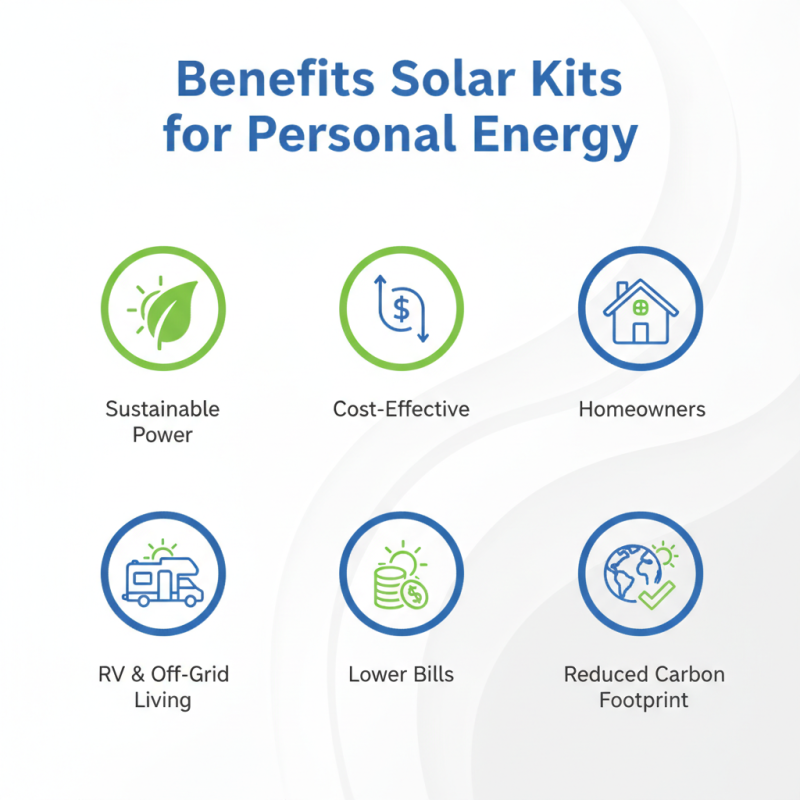
Solar kits have gained popularity due to their numerous benefits for personal energy needs. They provide a sustainable and cost-effective power solution. These kits are perfect for homeowners and those living in RVs or off-grid locations. By harnessing the sun's energy, you can lower your electricity bills and lessen your carbon footprint.
One significant benefit of using a solar kit is energy independence. With renewable energy, you won’t rely on external sources. This freedom allows you to power your electronics, appliances, and even heating systems sustainably. Moreover, solar energy is low maintenance. Once installed, these systems require minimal upkeep. However, it’s crucial to evaluate your energy consumption and adjust your solar kit accordingly.
When considering a solar kit, remember to assess your location. Some areas receive more sunlight, impacting efficiency. Also, understand the installation requirements. Improper setup can hinder performance. It may take time to find the right system that meets your needs. Patience and research will pay off in the long run.
Understanding Solar Kits: How They Work and What They Include
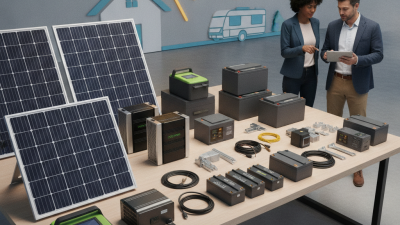
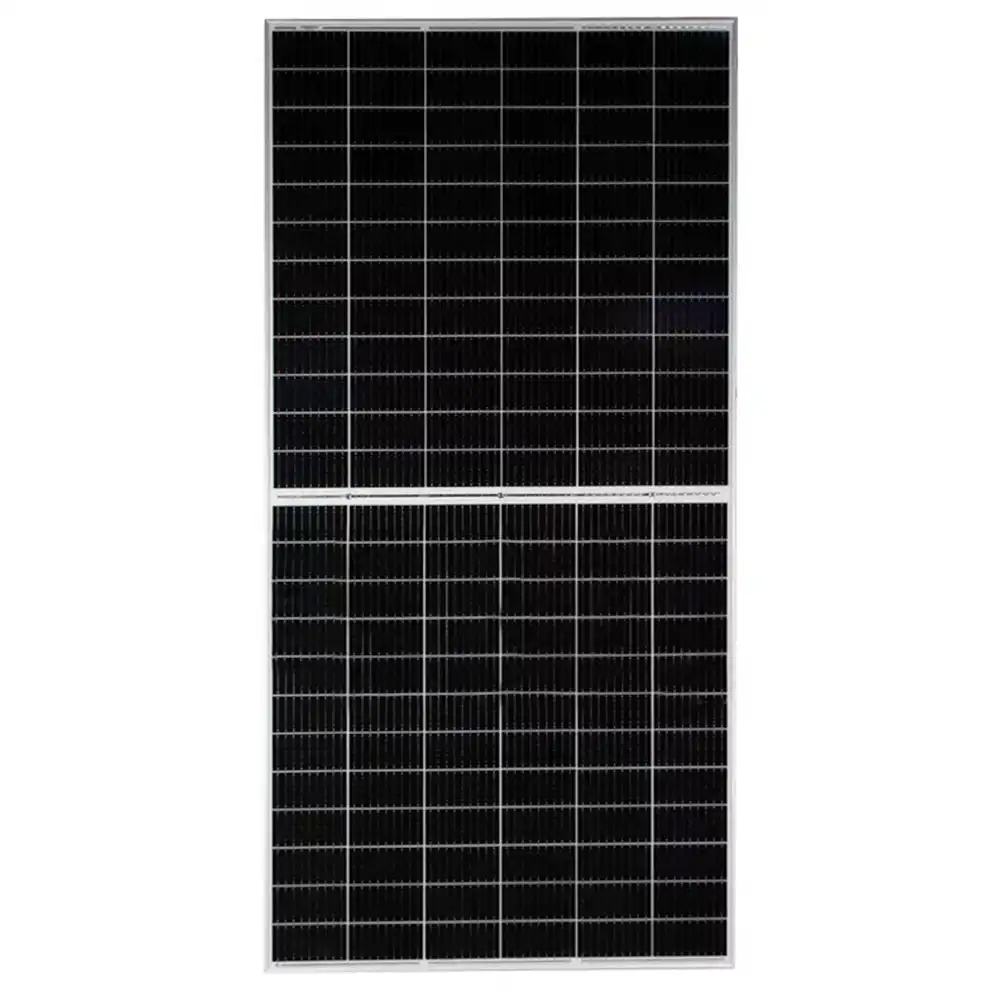
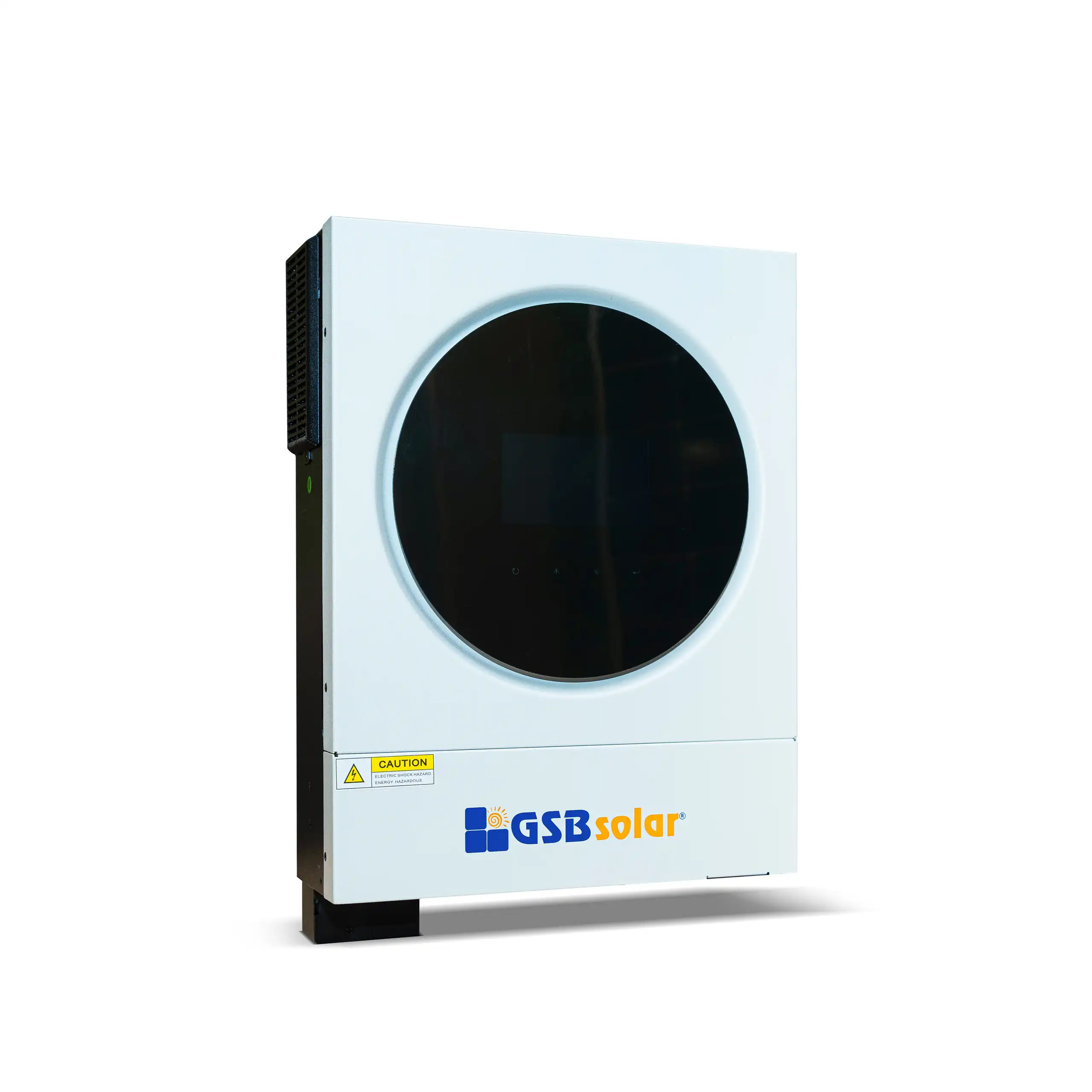
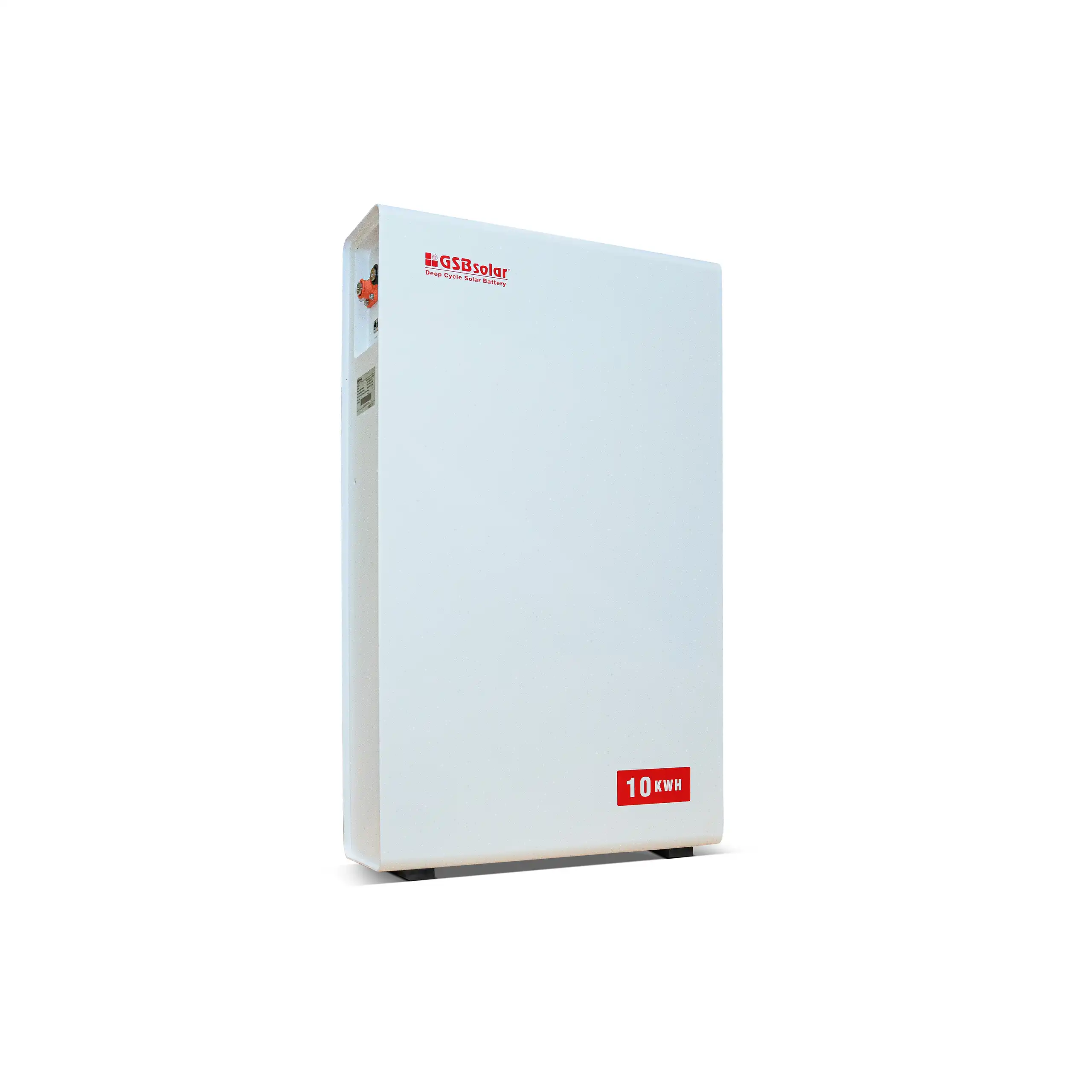
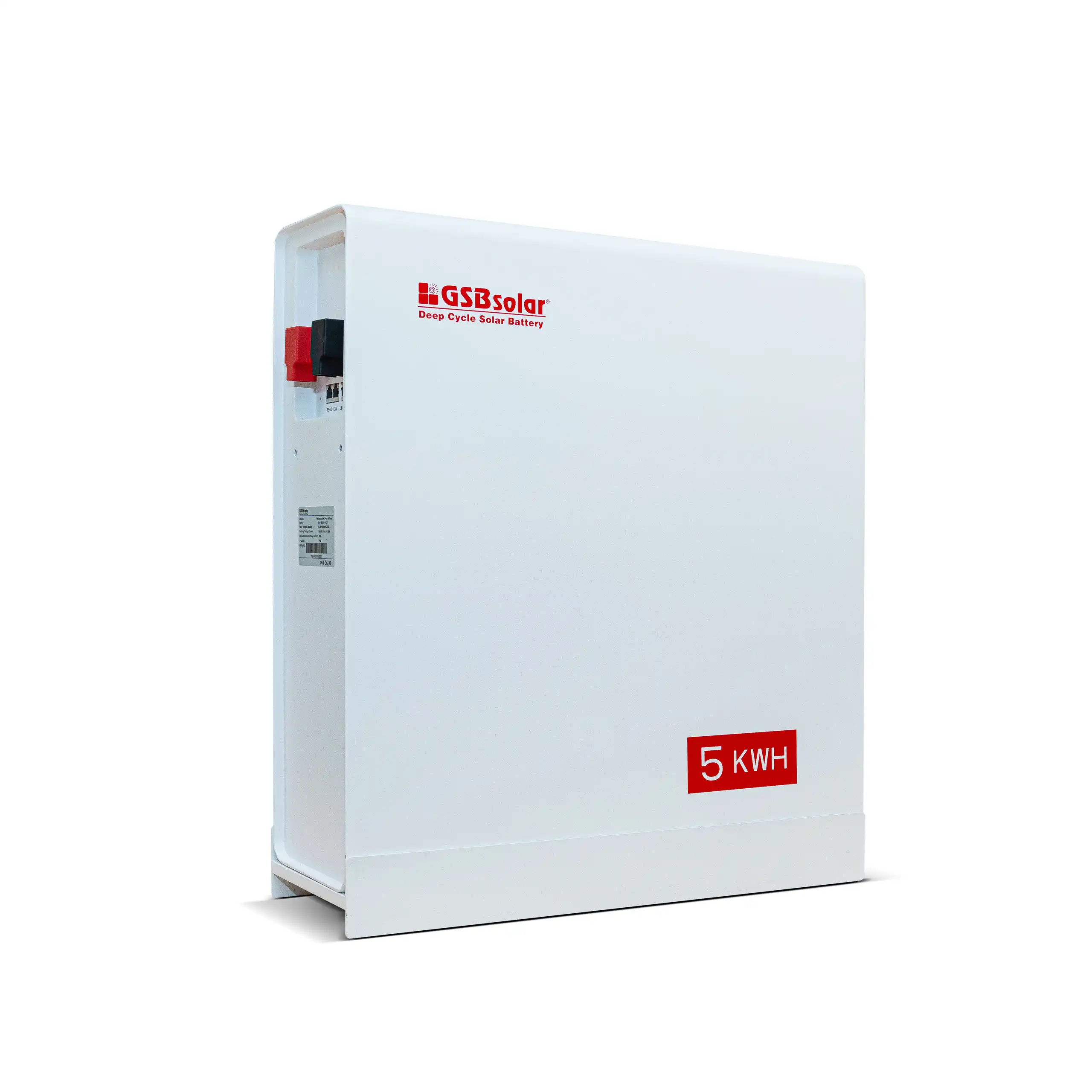
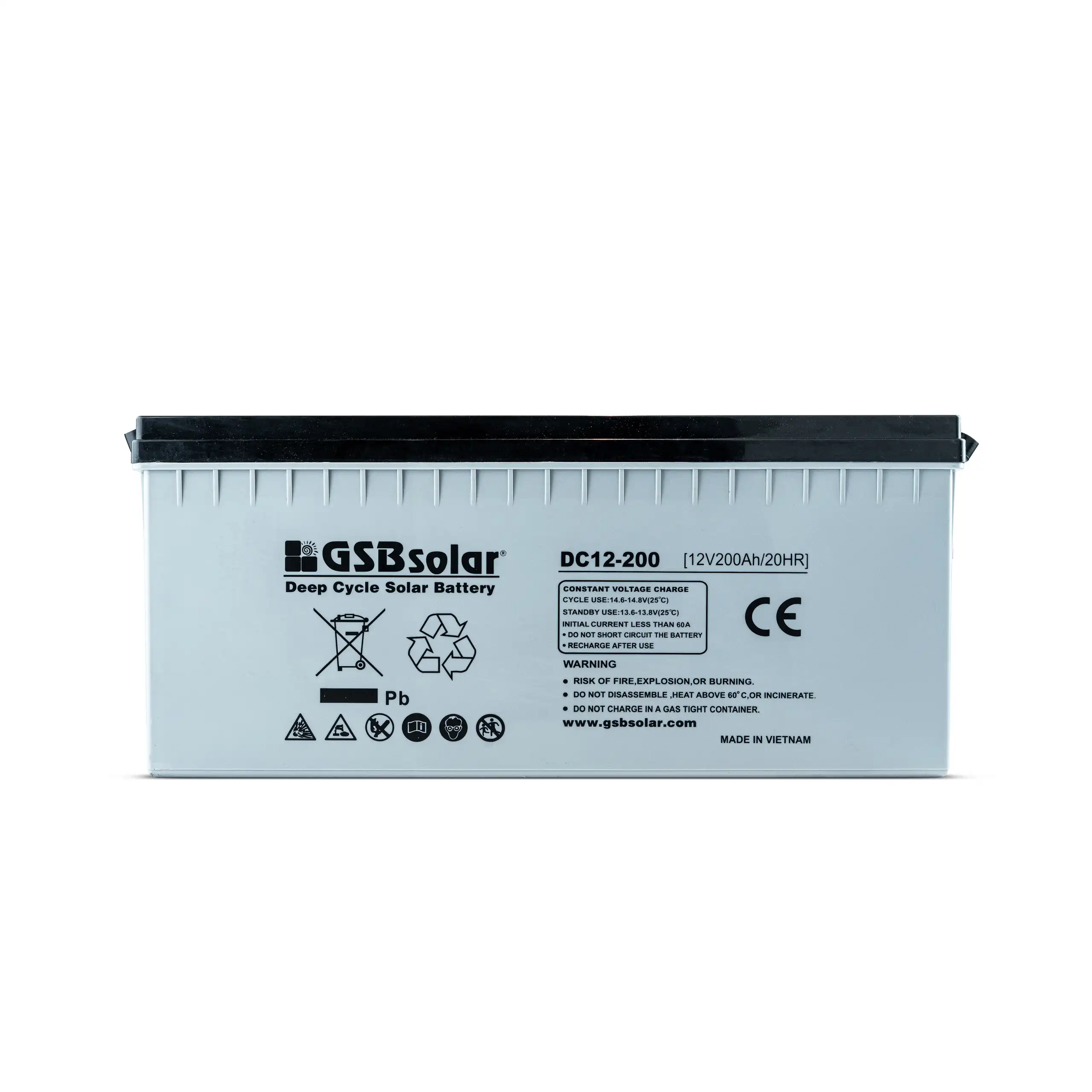
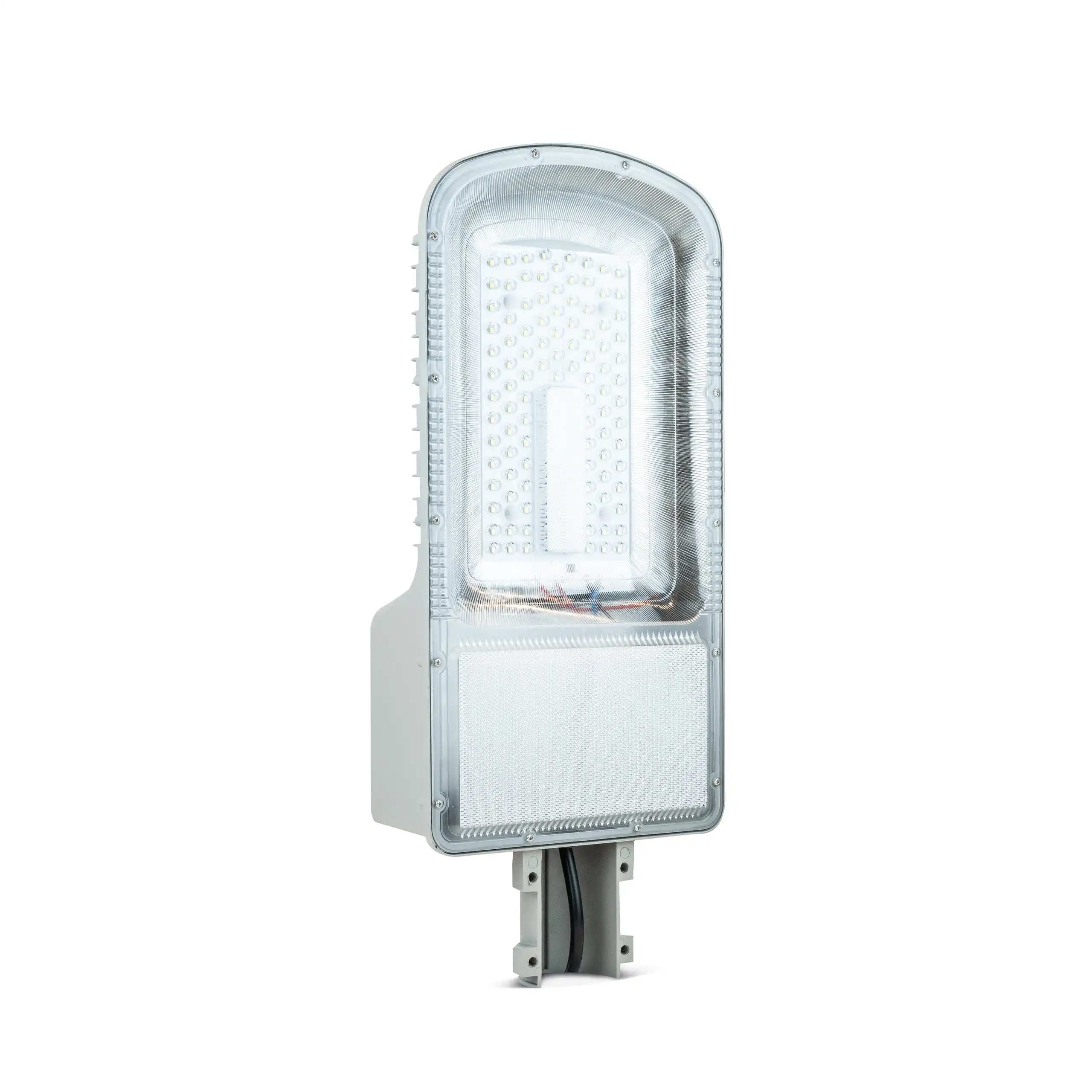
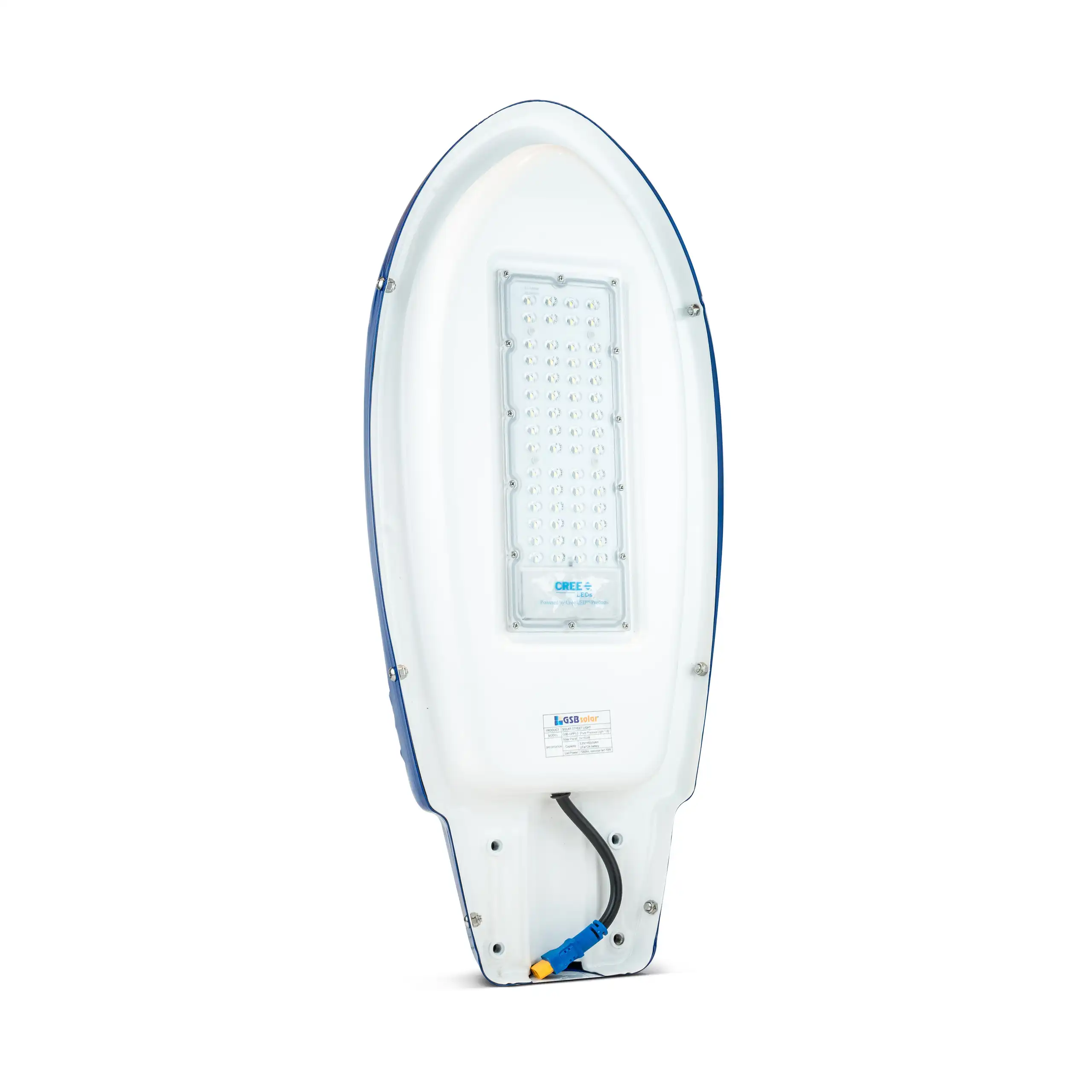
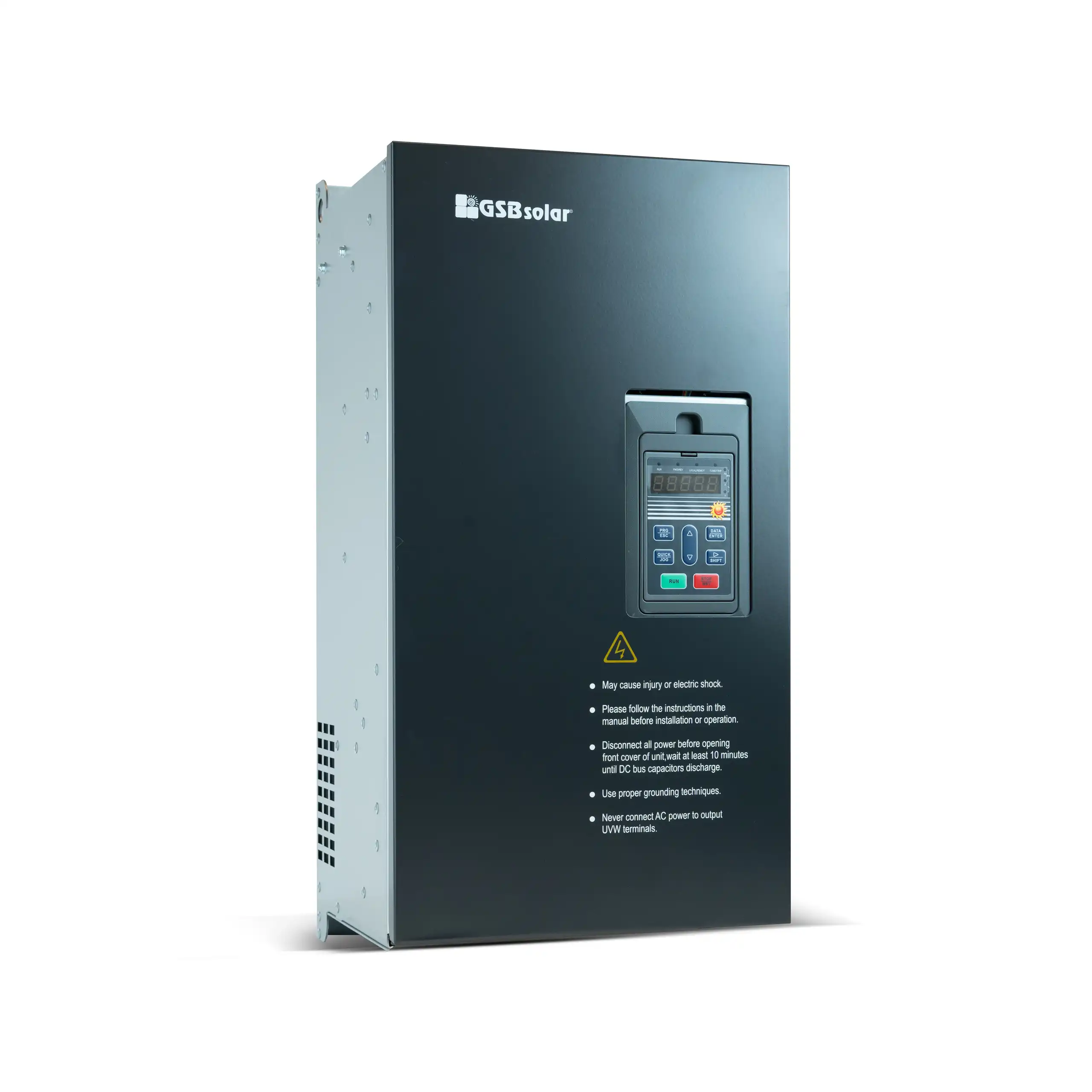
Solar kits consist of various components designed to harness solar energy for your home. They typically include solar panels, an inverter, mounting hardware, and wiring. Each component plays a key role in converting sunlight into usable electricity. Installing these kits can be complex, but many manufacturers offer simplified instructions. However, the installation process may lead to mistakes if not approached carefully. It's essential to read all guidelines thoroughly.
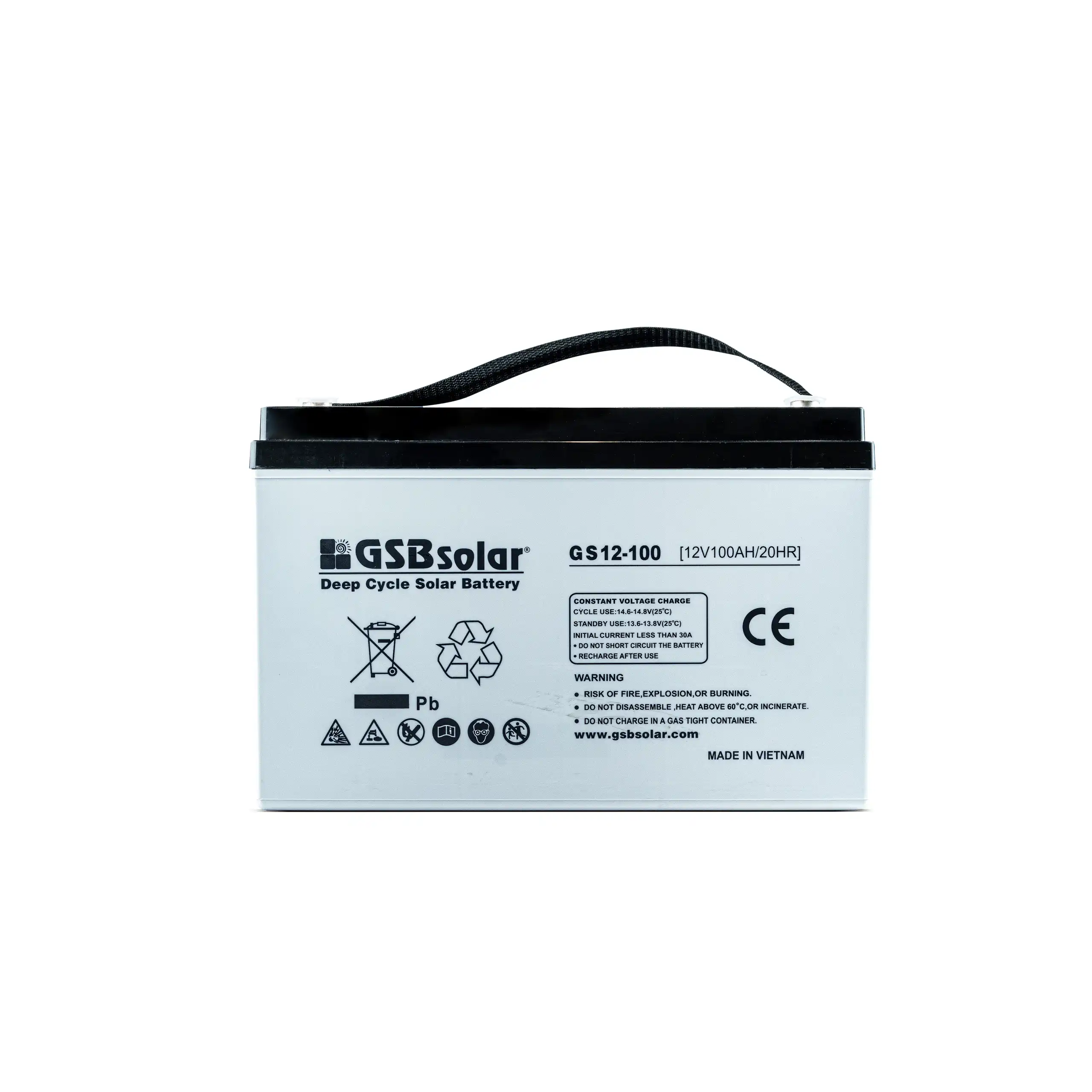
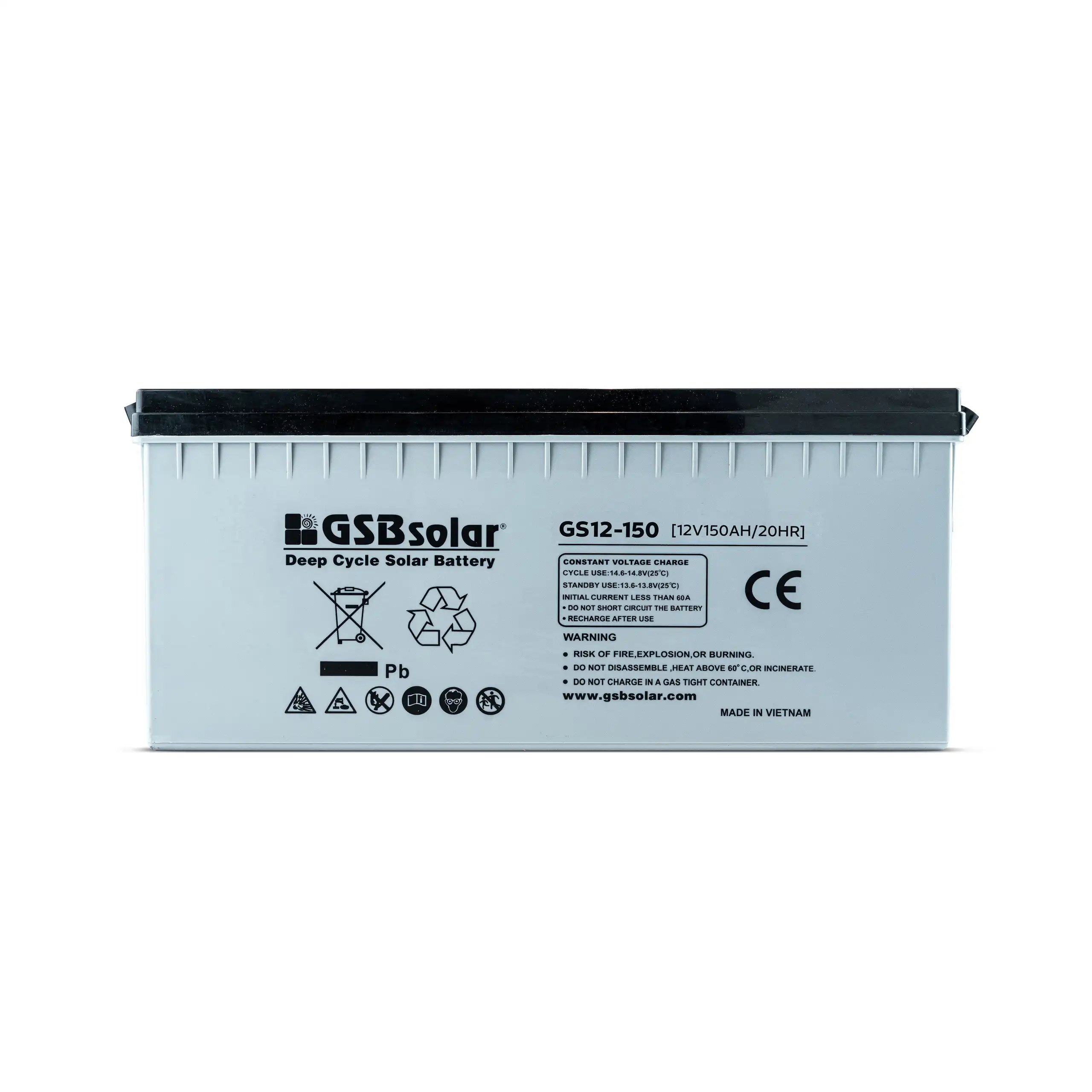
Understanding how these kits work enhances their effectiveness. Solar panels capture sunlight and generate electricity. The inverter transforms this direct current into alternating current. This electricity can then power your home or be stored in batteries for later use. It’s crucial to assess your energy needs before purchasing a kit. You might discover that you need additional panels or a larger inverter. Not all homes are equally suitable for solar, and some regions receive less sun.
Choosing a reliable solar kit demands research. Look for products with strong warranties and positive user reviews. Community feedback can often highlight potential flaws or areas for improvement. Additionally, local regulations may affect installation options. Take time to explore these factors to make an informed decision. Don’t rush the process, as a well-planned setup can lead to significant energy savings in the long run.
Cost Comparison: Solar Kits vs. Traditional Energy Sources
The cost of traditional energy sources has been steadily rising. According to the U.S. Energy Information Administration, electricity prices increased by approximately 4.3% from 2021 to 2022. In contrast, solar kits offer a potential alternative that can lower long-term energy expenses. A comprehensive study by the National Renewable Energy Laboratory shows that installing solar kits can lead to savings of over $20,000 in a typical home over 20 years.
Solar kits typically have lower upfront costs compared to traditional energy sources when considering available tax incentives and financing options. The average cost of solar panel installation ranges from $15,000 to $25,000. With incentives, homeowners can recoup their investment faster. However, initial installation expenses can still be a barrier for some. It's important to weigh this against rising utility bills and maintenance costs of conventional energy sources, which don’t offer a fixed rate.
Moreover, solar kit longevity and maintenance should be assessed. Most solar panels come with warranties lasting around 25 years. Yet, some homeowners mention panel degradation over time, impacting efficiency. Evaluating the maintenance requirements and the potential need for replacement parts is essential. Making informed decisions about energy needs requires careful consideration of costs and benefits.
Cost Comparison: Solar Kits vs. Traditional Energy Sources
This chart illustrates the average monthly costs associated with using solar kits compared to traditional energy sources such as natural gas, coal, and electricity. As shown, solar kits can offer significant savings over conventional energy methods.
Environmental Impact: Solar Energy and Reducing Your Carbon Footprint
Solar energy is becoming an essential part of our fight against climate change. By utilizing solar kits, individuals can generate clean energy. This helps reduce reliance on fossil fuels. The impact on the environment is significant. Each solar panel can potentially eliminate tons of carbon dioxide emissions over its lifespan. This reduction in greenhouse gases is crucial.
However, adopting solar energy is not without its challenges. The initial investment can be high. Many people may hesitate due to perceived costs. Installation may also pose difficulties, depending on the location and weather patterns. Despite these obstacles, the long-term benefits often outweigh the drawbacks.
Using solar kits encourages a sustainable lifestyle. Homeowners can directly contribute to reducing their carbon footprint. As more people adopt solar technology, the cumulative effect begins to show. It’s a gradual process, but every step counts. Each small change is a move towards a cleaner planet.
Why You Should Consider a Solar Kit for Your Energy Needs? - Environmental Impact: Solar Energy and Reducing Your Carbon Footprint
| Dimension |
Description |
Impact (Annual) |
| Total Energy Produced |
Energy generated from the solar kit in a year (kWh) |
3,600 kWh |
| Reduction in Carbon Emissions |
Decrease in CO2 emissions due to solar energy use (tons) |
2.5 tons |
| Cost Savings |
Estimated savings on energy bills per year |
$500 |
| Land Use |
Area needed for solar panel installation (square meters) |
20 sqm |
| Lifespan of Solar Panels |
Average lifespan of solar panels (years) |
25 years |
Tips for Choosing the Right Solar Kit for Your Home or Business
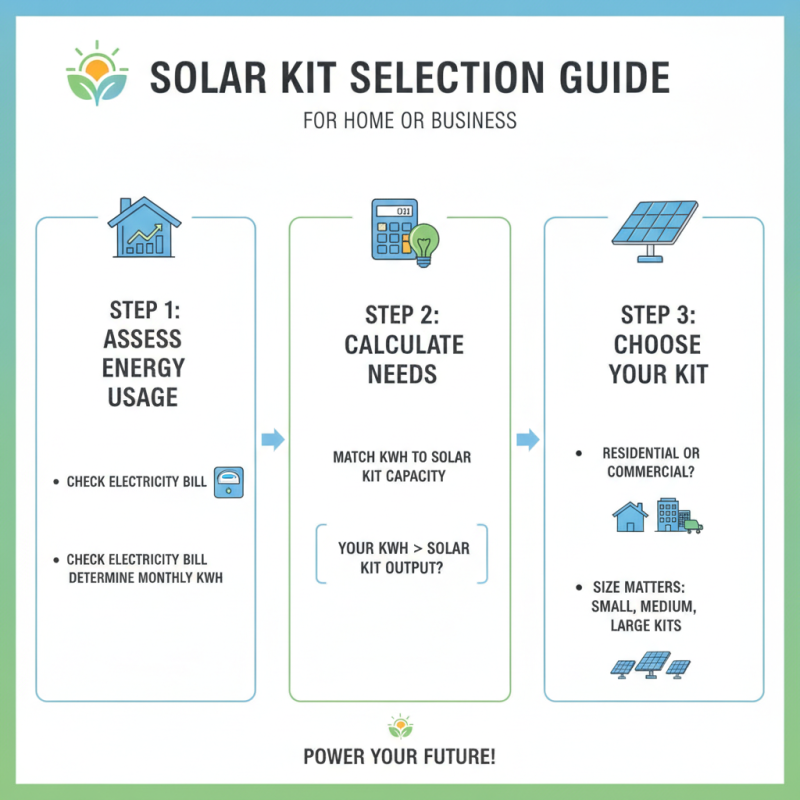
When considering a solar kit for your energy needs, it's crucial to choose the right one. Start by assessing your energy consumption. Look at your electricity bills to determine your monthly usage. This data helps in selecting a solar kit that meets your specific requirements.
Next, evaluate your space. Different kits require different installation areas. If you have limited roof space, a compact kit may be necessary. On the other hand, larger spaces allow for bigger panels, providing more energy. Additionally, consider the local climate. A location with plenty of sunlight will benefit more from solar energy.
Research the components of the solar kit. High-quality panels, inverters, and batteries are essential for maximum efficiency. Do not hesitate to read reviews and consult experts. Finding reliable information enhances your trust in the purchase. Remember, even the best kits may require adjustments after installation. Be ready to monitor performance regularly. This ongoing process can reveal areas for improvement.