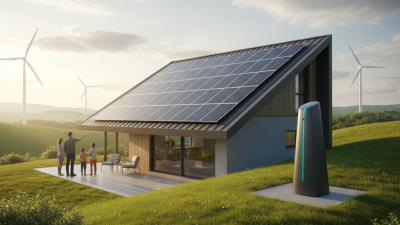
How to Choose a Solar Panel and Battery Kit?

Choosing a solar panel and battery kit is not simply a matter of comparing wattage and price. It is a practical decision about energy use, weather, installation space, and future needs. A suitable kit should produce enough power during ordinary days and preserve essential electricity after sunset.

Bill Nussey, a solar industry educator and author, has said, “The future of energy is solar plus storage.” His point is useful, but it is not the whole answer. A solar panel and battery kit must also match your household’s actual consumption. A family running a refrigerator, router, medical device, and lighting needs different equipment from a small cabin user.

This guide will examine panel efficiency, battery chemistry, usable capacity, inverter ratings, warranty terms, and system expansion. Look beyond the headline capacity. A battery advertised at 10 kWh may offer less usable energy after reserve limits and conversion losses. Small details matter.

Measure your loads.

You should also consider roof direction, seasonal sunlight, shading from trees, and local installation conditions. These factors can change real-world performance more than impressive laboratory figures. I have found that buyers often overestimate peak output and underestimate evening demand. That mistake is understandable, but it deserves honest review.

Safety should remain central. Select certified equipment, clear installation instructions, and qualified professional support where required. A cheaper kit may appear attractive initially. It can become expensive if replacement parts, monitoring, or compatible batteries are difficult to obtain. The best choice is rarely the most powerful kit. It is the kit that performs reliably, fits your budget, and reflects how you genuinely use electricity.
How to Choose a Solar Panel and Battery Kit?

Define Your Solar Power Needs and Daily Energy Consumption

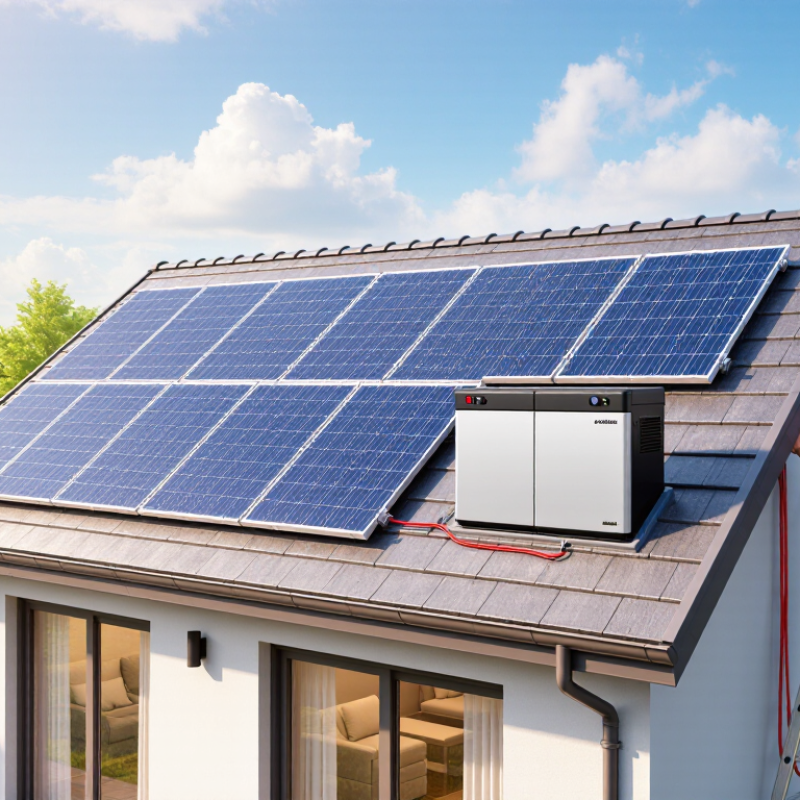
Choosing a solar panel and battery kit starts with your daily energy use, not the equipment catalog. List every load, its wattage, and hours used each day. Include refrigerators, pumps, lighting, internet equipment, and seasonal appliances. My own first estimate is often wrong. Numbers matter.

The U.S. Energy Information Administration’s 2020 Residential Energy Consumption Survey reported average household use of 886 kilowatt-hours monthly, or about 29.5 kilowatt-hours daily. Your home may differ sharply. A small apartment can use far less, while electric heating can multiply demand. Record electricity-meter readings for at least seven days, preferably across different seasons. Then calculate each appliance’s daily watt-hours and add a realistic reserve of 15–25 percent.

Solar production depends on location, roof direction, shading, and weather. The National Renewable Energy Laboratory’s PVWatts guidance models these variables rather than assuming constant sunshine. Use local solar estimates and divide daily consumption by expected peak-sun hours. For example, 6 kilowatt-hours daily with four peak-sun hours requires roughly 1.5 kilowatts before system losses. Battery sizing needs separate thinking. A 10-kilowatt-hour battery may provide less usable energy after reserve limits and conversion losses. Choose capacity from essential loads during an outage, not every appliance at once. Large motors also need short startup surges. That detail is easy to miss. Recheck the estimate after one month of real use.

How to Choose a Solar Panel and Battery Kit?

Define Your Solar Power Needs and Daily Energy Consumption

Planning example: This representative household uses approximately 9.0 kWh per day. With 4 peak-sun hours and an estimated 20% system loss, a solar array of about 2.8 kW is required:

Required solar capacity = daily energy use ÷ (peak-sun hours × 0.8)

For approximately one day of backup, a battery should provide about 12.5 kWh of nominal capacity, allowing for 80% usable depth of discharge and 90% battery-system efficiency. Actual sizing depends on local sunlight, seasonal usage, appliance startup loads, and the amount of backup required.

Compare Solar Panel Types, Wattage, and Efficiency Ratings

How to Choose a Solar Panel and Battery Kit?

Solar panel type affects space, performance, and cost.

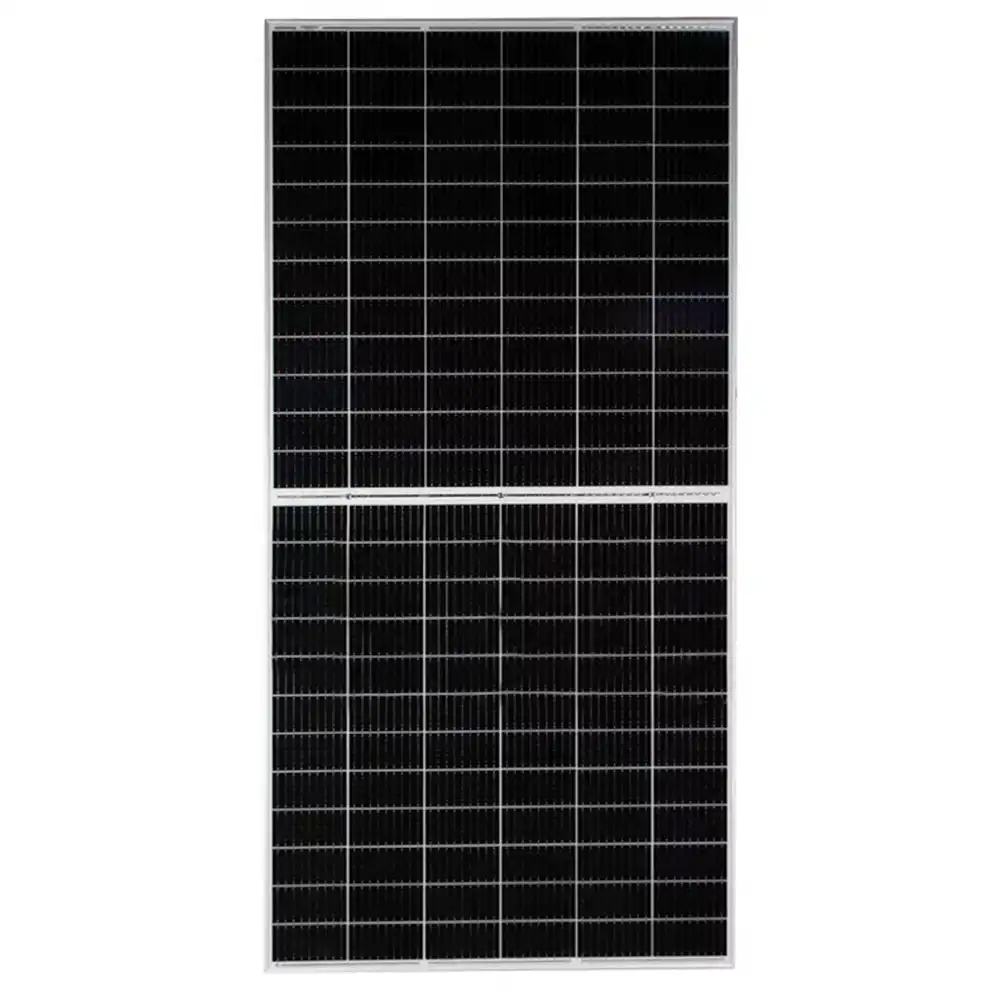
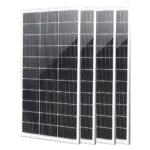
Monocrystalline panels usually provide higher efficiency in a smaller roof area. Polycrystalline panels can cost less, but they often need more space for similar output. Thin-film panels are lightweight and flexible, although their efficiency is commonly lower.

Check the datasheet, not only the product label. A 400-watt panel does not always deliver 400 watts outdoors. Wattage is measured under standard test conditions, including controlled light and temperature.

Tips: Estimate your daily energy use first.

Add the wattage of each appliance, then multiply by its expected operating hours. A small refrigerator, lights, and a router may use less than a heater alone. Leave extra capacity for cloudy weather.

I once underestimated winter demand by focusing only on summer sunlight. That was a useful mistake.

Efficiency ratings show how much sunlight becomes electricity.

A higher percentage can matter when your roof is small, shaded, or partly obstructed. However, efficiency alone should not decide the kit.

Compare the panel’s temperature coefficient, degradation rate, warranty terms, and low-light behavior. Battery capacity should match your nighttime load, while usable capacity matters more than the advertised size.

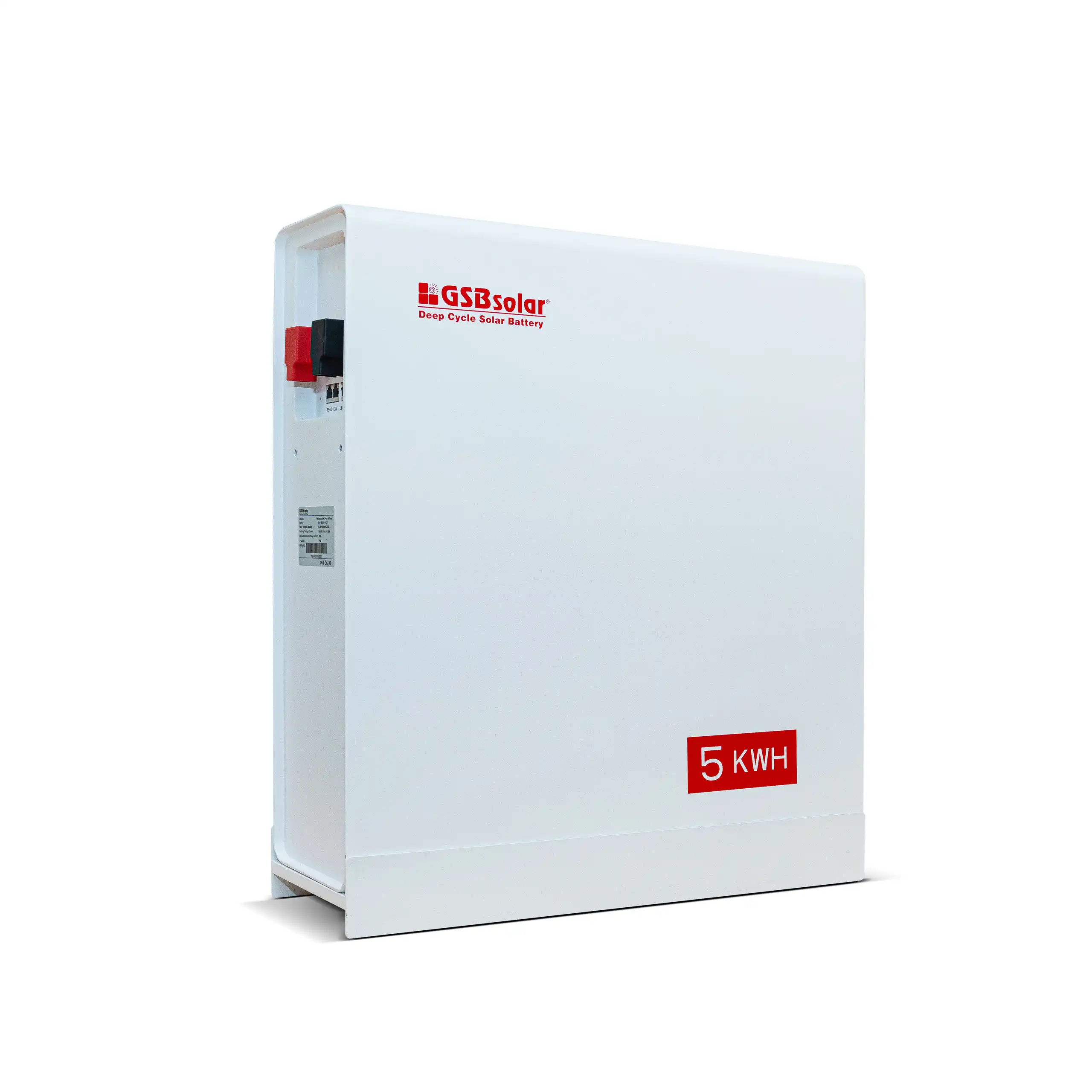
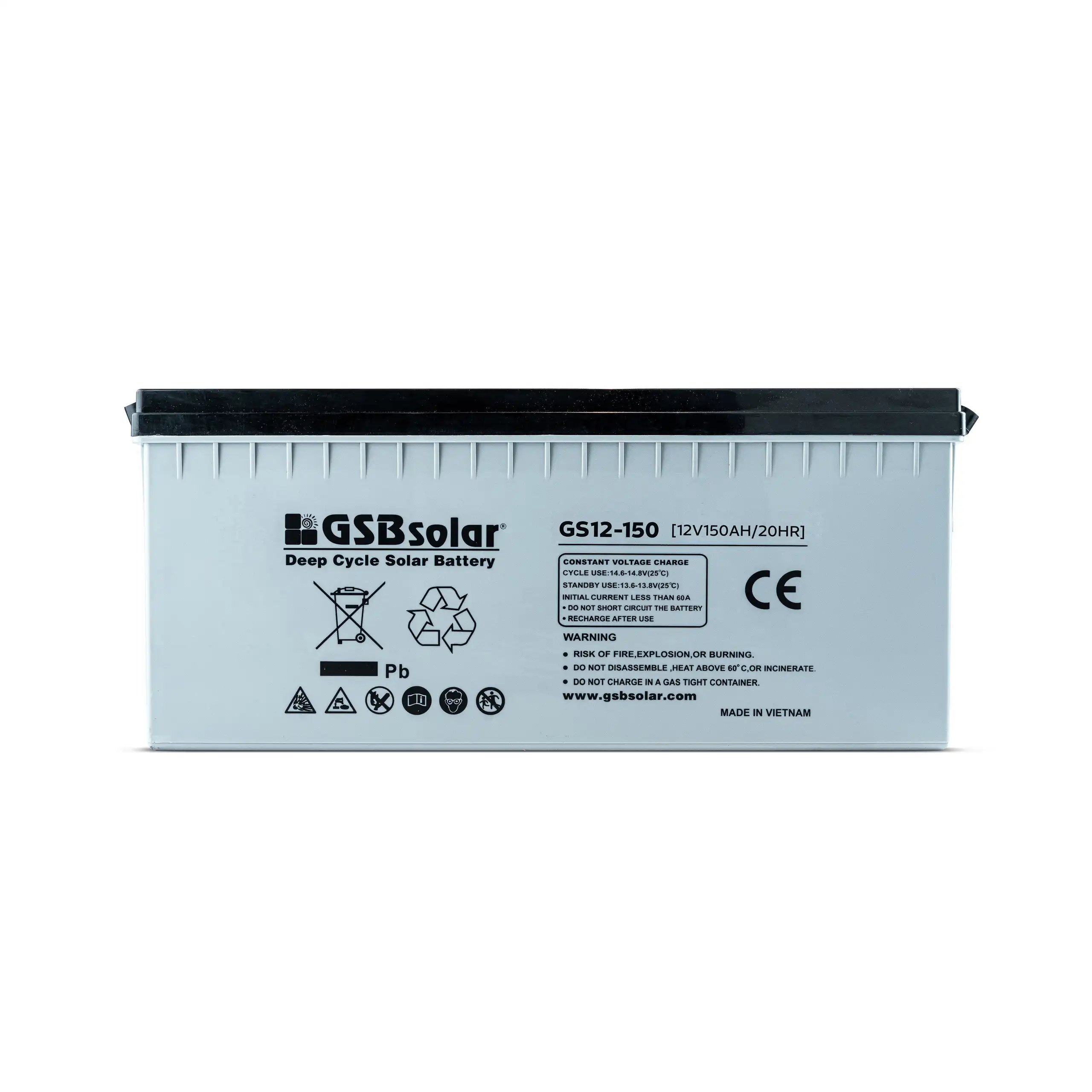
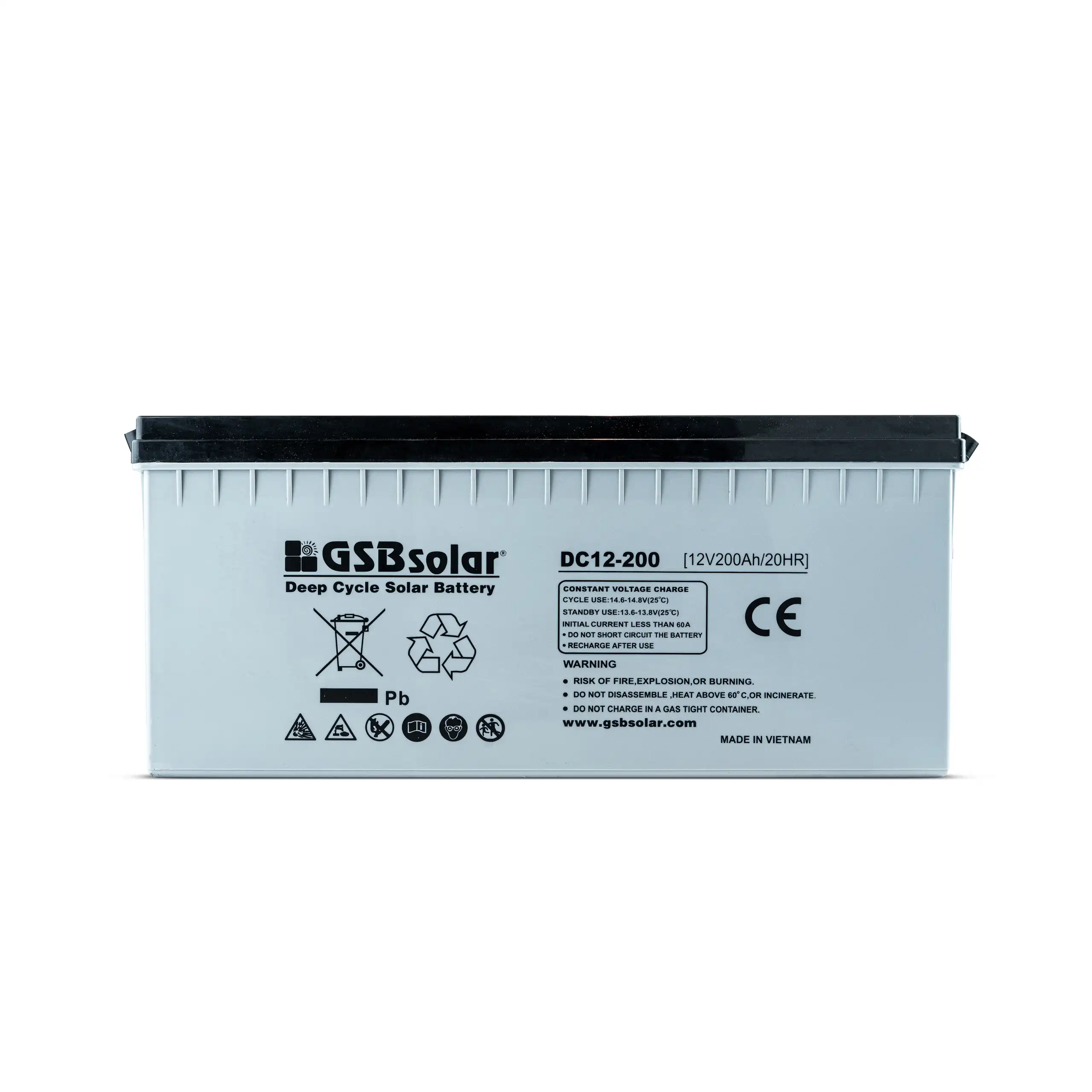
For example, a 2,000-watt-hour battery may provide less usable energy after reserve limits and conversion losses. Check inverter compatibility, charging limits, and installation requirements carefully.

Some calculations remain approximate. Local shade and weather can change the result.

Choose a Battery Capacity That Matches Your Energy Storage Goals

How to Choose a Solar Panel and Battery Kit?

Choose a Battery Capacity That Matches Your Energy Storage Goals

Battery capacity should begin with your daily load, not the panel’s advertised output. The U.S. Energy Information Administration reported average residential electricity use of about 899 kilowatt-hours monthly in 2022. That equals roughly 30 kilowatt-hours per day. Your home may use far less, especially without electric heating, cooling, or water heating.

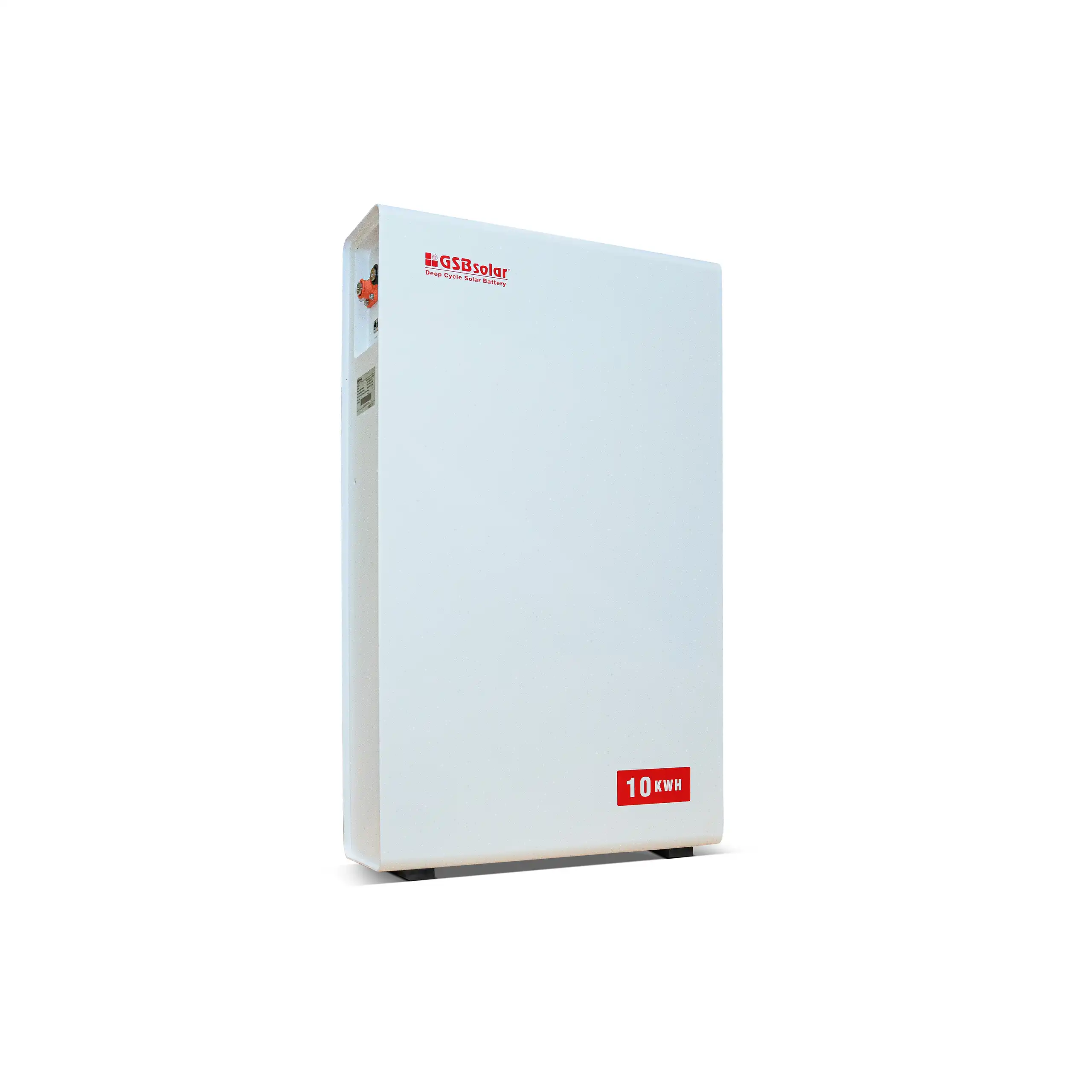
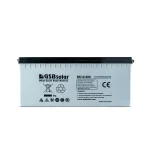
Measure real consumption from utility bills or a smart meter. Then separate essential circuits from flexible loads. Refrigerators, medical equipment, lighting, and communications may need overnight protection. A battery rated at 10 kilowatt-hours will not normally deliver 10 usable kilowatt-hours. Reserve limits, conversion losses, and battery aging reduce available energy. A practical estimate should include these factors.

Think in hours of backup. One evening may require 8 kilowatt-hours, while a full day could require 20. The International Energy Agency reported that global battery storage additions exceeded 40 gigawatts in 2023, showing rapid growth in storage deployment. Still, bigger is not automatically better. Oversizing increases cost and may leave capacity unused. Undersizing creates disappointment during cloudy weather. A spreadsheet can still lie. Recheck winter loads, local sunlight, and future appliances before choosing capacity. Leave a modest margin, but not an expensive guess. Cite: U.S. EIA, Residential Energy Consumption Survey; International Energy Agency, Batteries and Secure Energy Transitions, 2024.

Check Kit Compatibility, Inverter Size, and System Expandability

How to Choose a Solar Panel and Battery Kit?

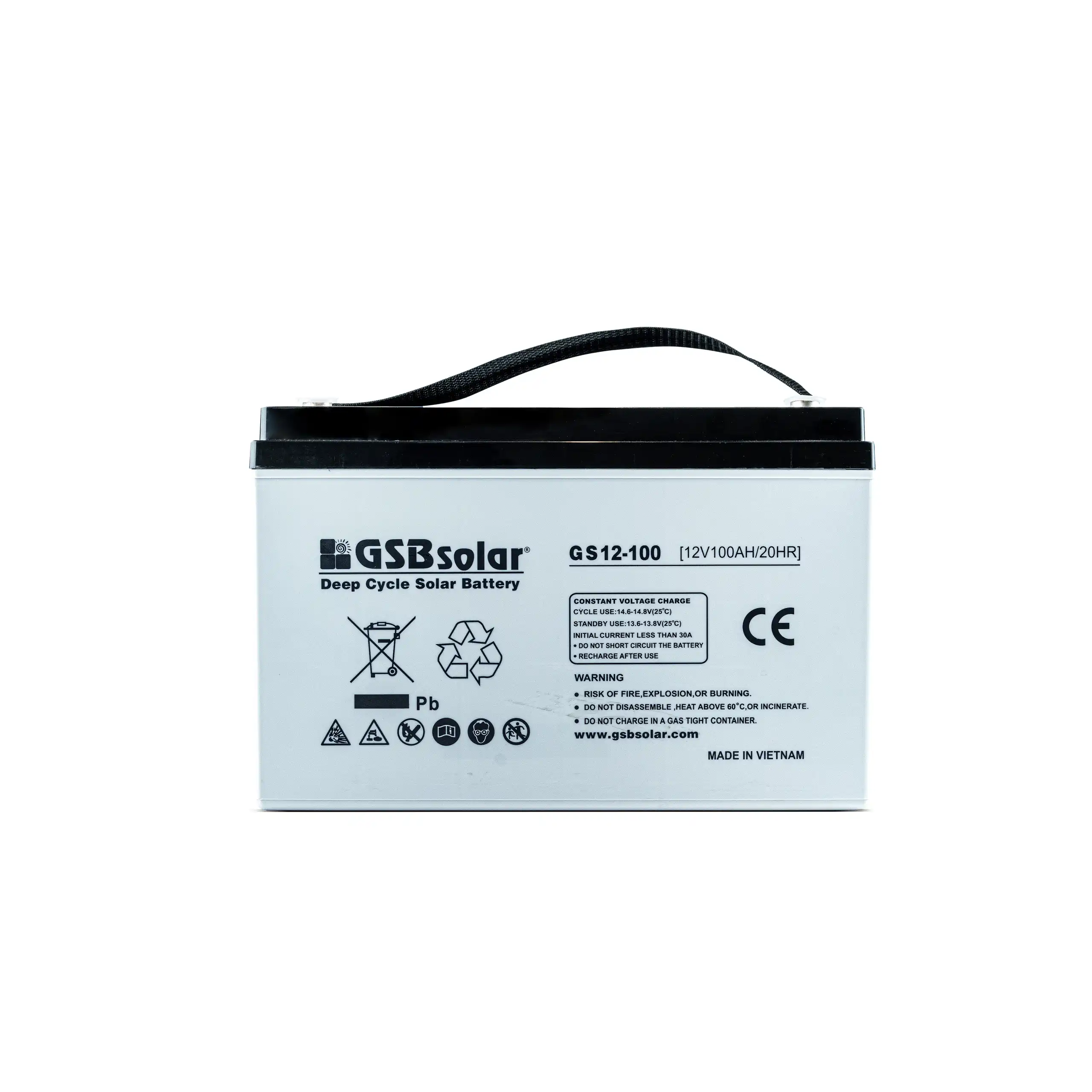
A suitable kit begins with compatibility, not panel wattage. Check the panel voltage, current, connector type, and charge-controller limits. The battery must match the system’s voltage and chemistry requirements. A mismatch can cause poor charging, overheating, or early battery wear. Read the technical datasheets carefully. Small details matter.

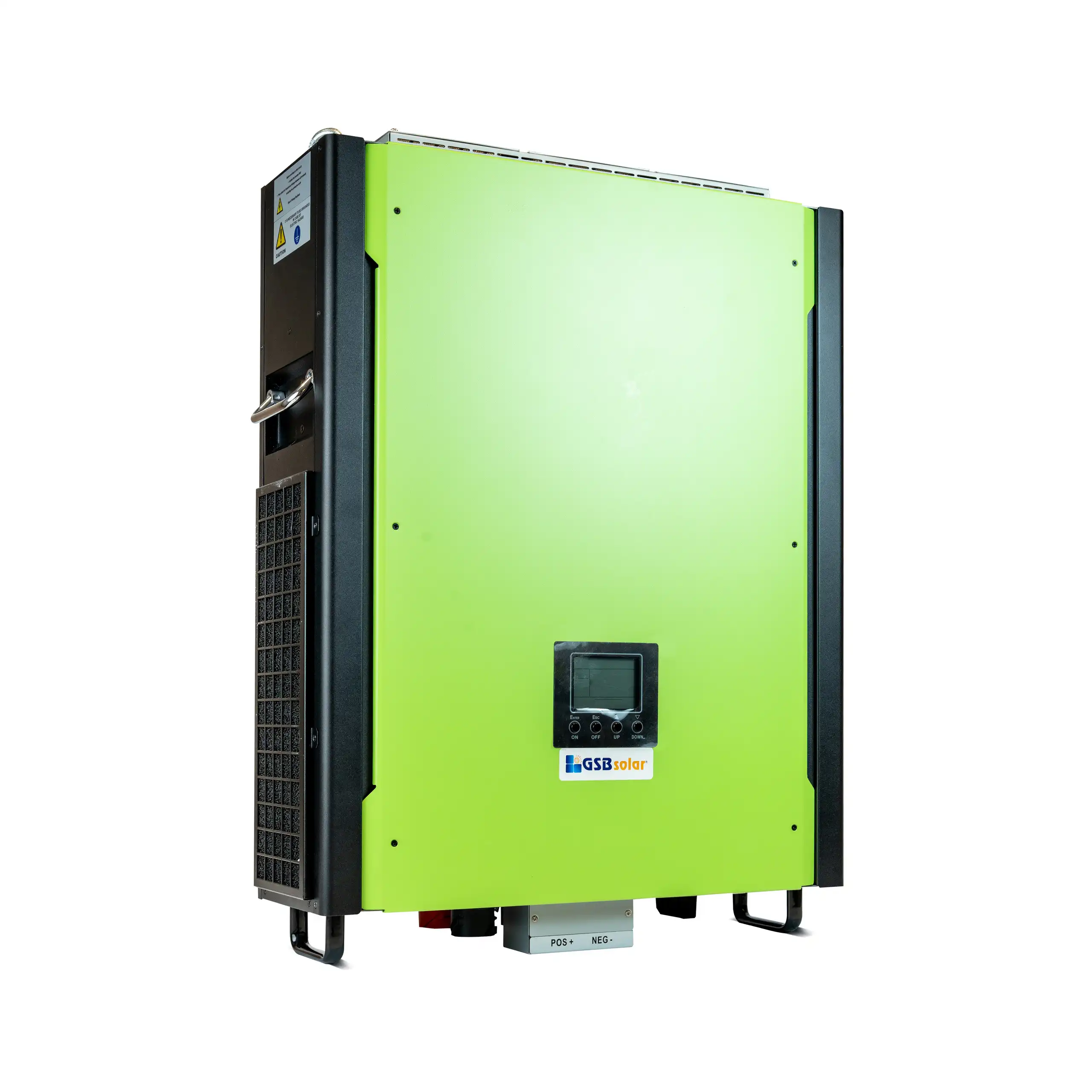
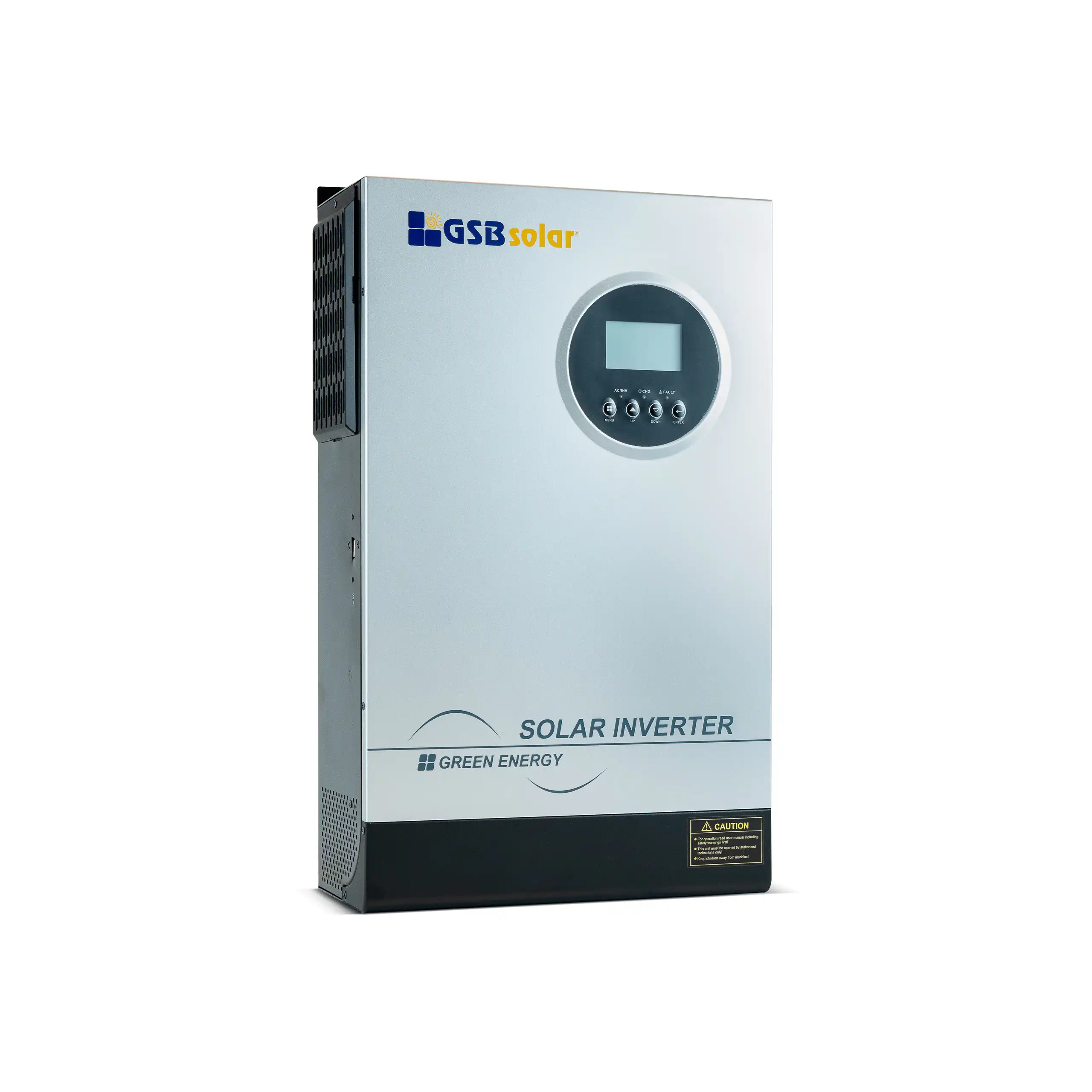
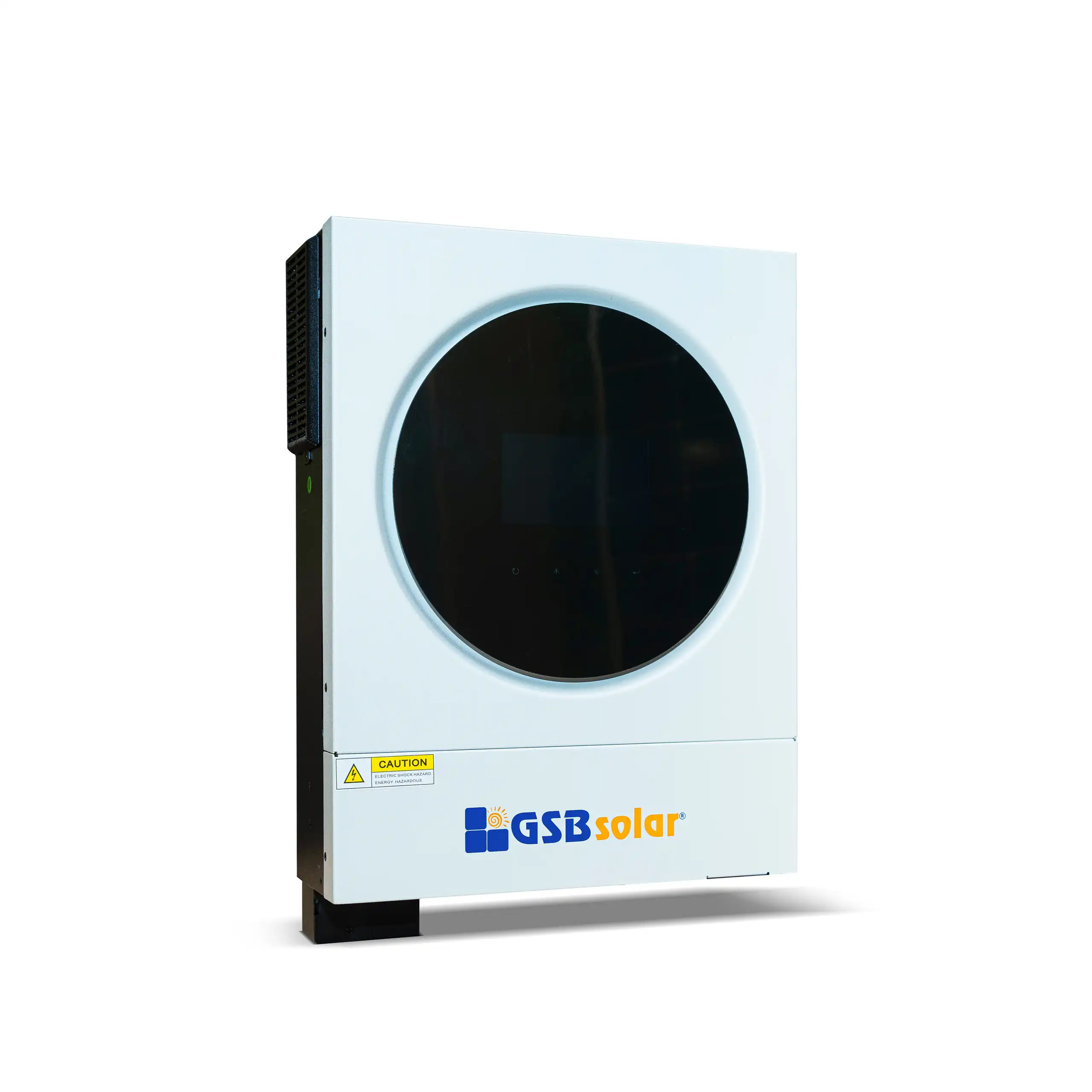
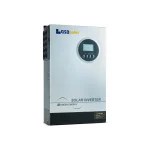
Size the inverter for continuous demand and short startup surges. A refrigerator may use modest power while running, then draw much more briefly. Add the wattage of devices used at the same time, and leave a sensible margin. The inverter must also accept the battery’s voltage and the panels’ maximum input. In practice, I have seen people choose a large inverter but undersize the battery cables. That weak point can waste energy and create heat. I still review cable length twice, because assumptions are easy to make.

Tips: Choose a kit with spare input capacity and a clearly stated expansion limit. Ask whether extra panels, batteries, or another inverter can be added later. Keep expansion within the controller’s voltage, current, and charging limits. A system that grows neatly is usually more useful than one that looks powerful on day one. Check warranty conditions, installation guidance, and protection devices before buying. Also, estimate your real evening load. Guessing is rarely precise.

Evaluate Installation Requirements, Safety Features, and Total Cost

How to Choose a Solar Panel and Battery Kit?

Evaluate Installation Requirements, Safety Features, and Total Cost

A suitable solar kit begins with your property, not its advertised output. Measure the roof or ground area, check shading, and note the roof’s age and condition. A south-facing roof may perform well, but nearby trees can reduce production sharply. You also need space for the battery, inverter, cables, and protective equipment. Installation may require structural checks and a qualified electrician. Do not assume a simple kit means simple work.

Safety features deserve careful attention. Look for battery temperature control, overload protection, short-circuit protection, and clear emergency shutdown instructions. The enclosure should suit its installation location, especially if moisture, dust, or heat is present. Keep batteries away from blocked walkways and flammable storage. Local electrical rules may affect placement and connection methods. A professional inspection can reveal problems that product photos hide.

Compare the total cost, not only the panel price. Include mounting hardware, wiring, permits, labor, monitoring equipment, maintenance, and possible battery replacement. A larger battery is not automatically better. It may cost more while remaining partly unused. Estimate your evening electricity demand from real bills. I would also question optimistic savings claims. Weather, shading, changing tariffs, and aging components can alter the result. A careful plan may feel less exciting, but it is usually easier to repair, insure, and operate safely.

Facebook X Instagram Pinterest WhatsApp WhatsApp
We use cookies to improve your experience on our website. By browsing this website, you agree to our use of cookies.