What Are the Best Home Solar Systems from China?

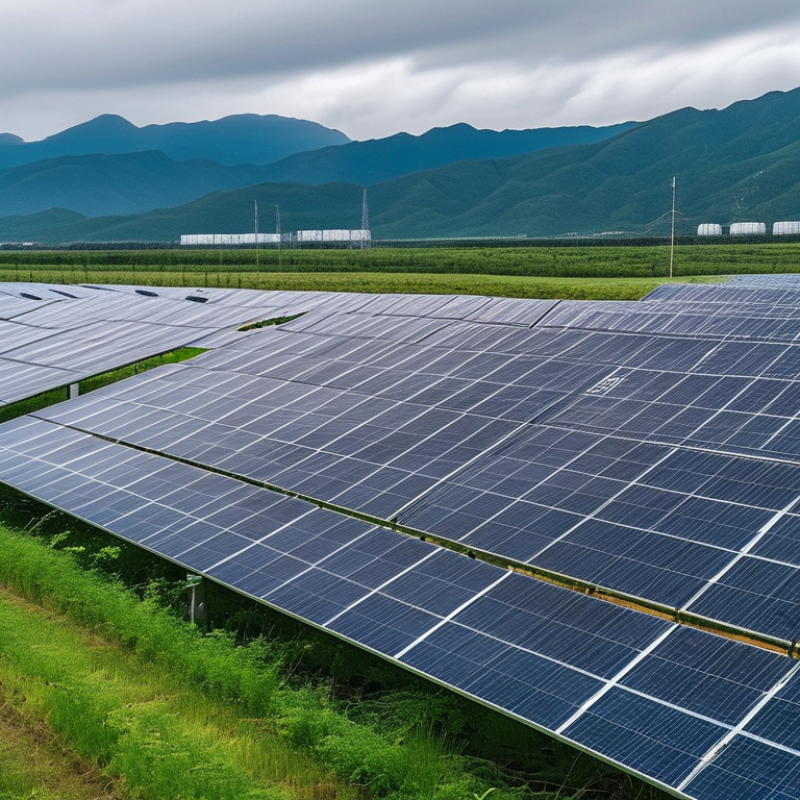
China has become a central force in the global home solar systems market. According to the International Energy Agency’s Renewables 2024 report, China contributed almost 60% of worldwide renewable capacity additions in 2023. The country also added about 217 gigawatts of solar capacity that year, according to China’s National Energy Administration. These figures show manufacturing strength, but they do not automatically identify the best household system.

Quality depends on the complete package. A reliable system should combine efficient photovoltaic modules, a proven inverter, strong monitoring software, and qualified installation. Product warranties matter, too. A panel may look impressive on a showroom roof, yet poor installation can reduce output during heavy rain or winter shading. The IEA Photovoltaic Power Systems Programme also highlights the importance of system performance, safety, and long-term reliability, not only nameplate capacity.

Fatih Birol, Executive Director of the IEA, has said, “Solar PV and wind are now the cheapest sources of new electricity generation in most markets.” That statement explains solar’s momentum, but household buyers still face uncertainty. China offers respected manufacturers, competitive pricing, and advanced production scale. However, after-sales support varies by country. Some reviews also overlook inverter replacement costs and installer experience. That is a weakness worth acknowledging.

This guide examines leading Chinese home solar systems through practical criteria: efficiency, durability, certifications, warranty terms, smart controls, battery compatibility, and service networks. The “best” choice is rarely the cheapest box. It is the system that keeps producing safely on an ordinary roof, year after year.
What Are the Best Home Solar Systems from China?

Types of Home Solar Systems Made in China

What Are the Best Home Solar Systems from China?

Types of Home Solar Systems Made in China

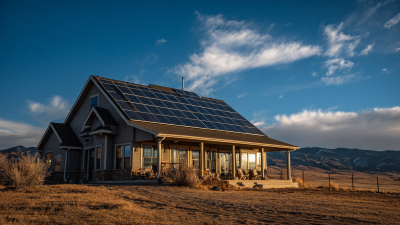
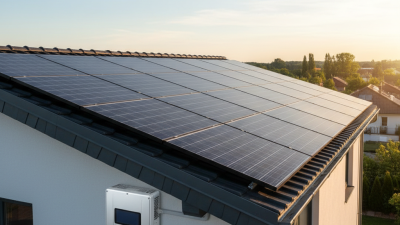
Chinese-made home solar systems usually fall into three practical types: grid-tied, off-grid, and hybrid. A grid-tied system sends surplus daytime electricity to the utility network. It commonly includes solar panels, a string inverter, and safety disconnects. This design suits homes with reliable electricity and limited backup needs. It is often the simplest option.

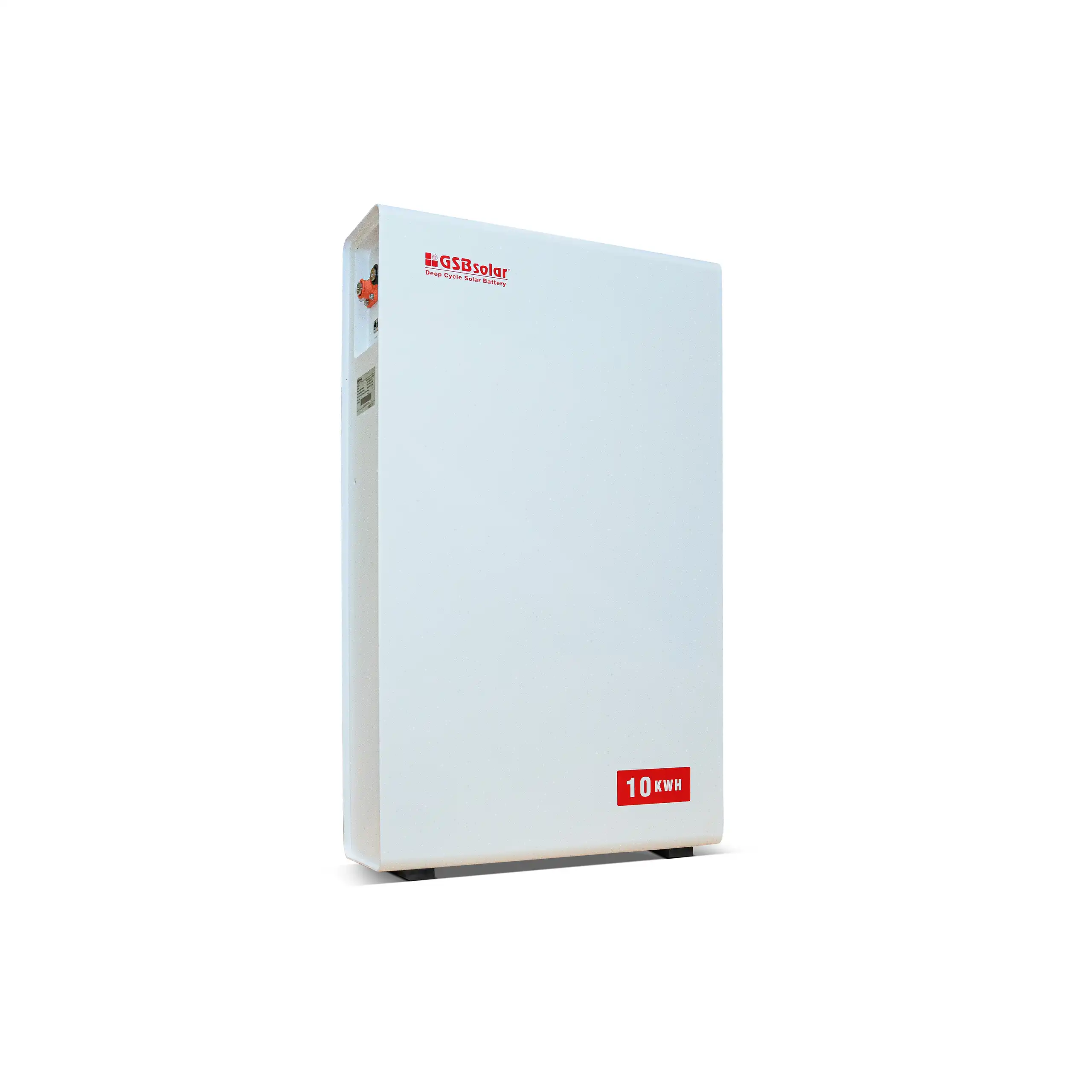
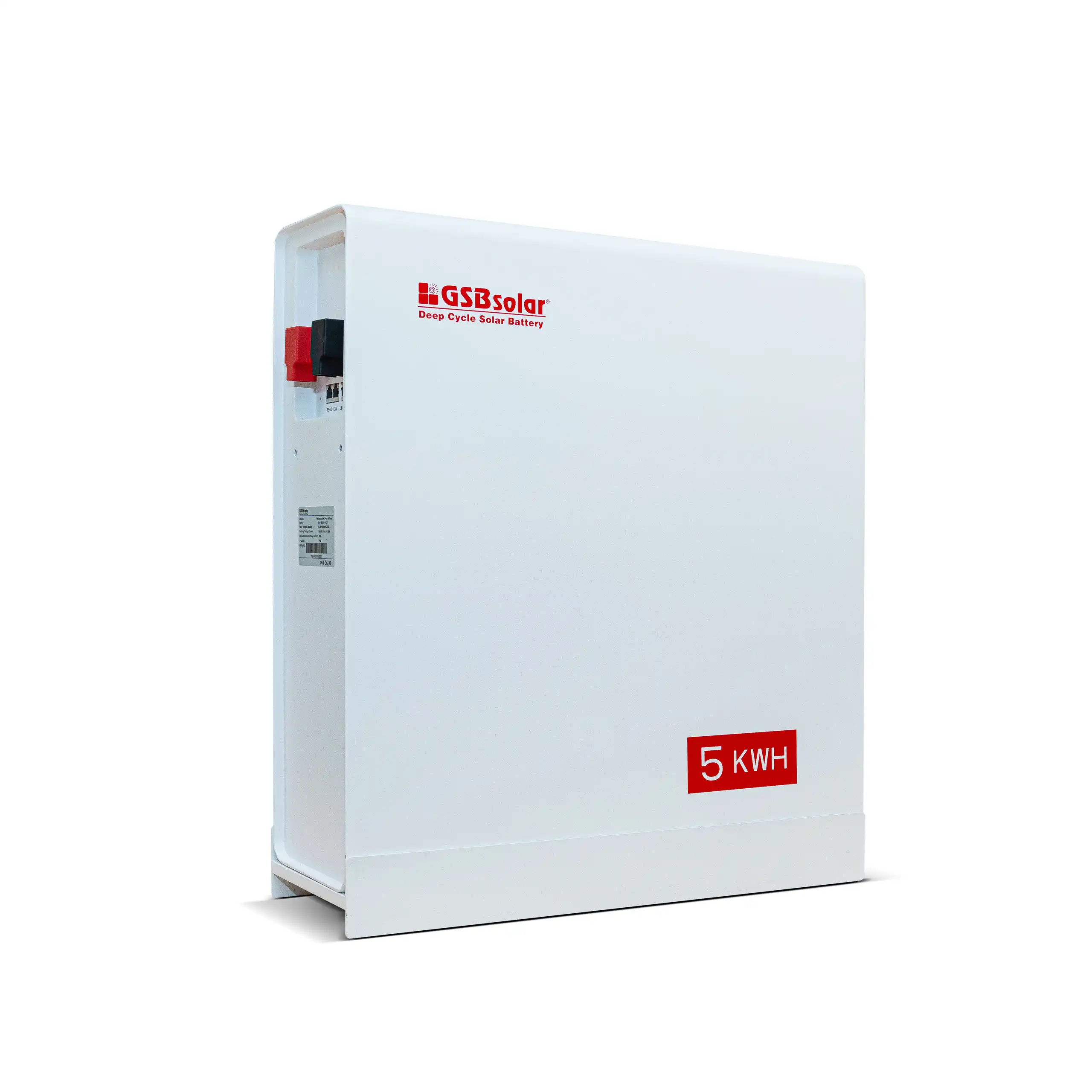
An off-grid system stores solar energy in batteries for later use. Lithium iron phosphate batteries are widely used because they support repeated charging cycles. This setup can power lights, refrigeration, and internet equipment in remote homes. Larger appliances need careful calculation. A kettle can expose an undersized system quickly. No design is perfect.

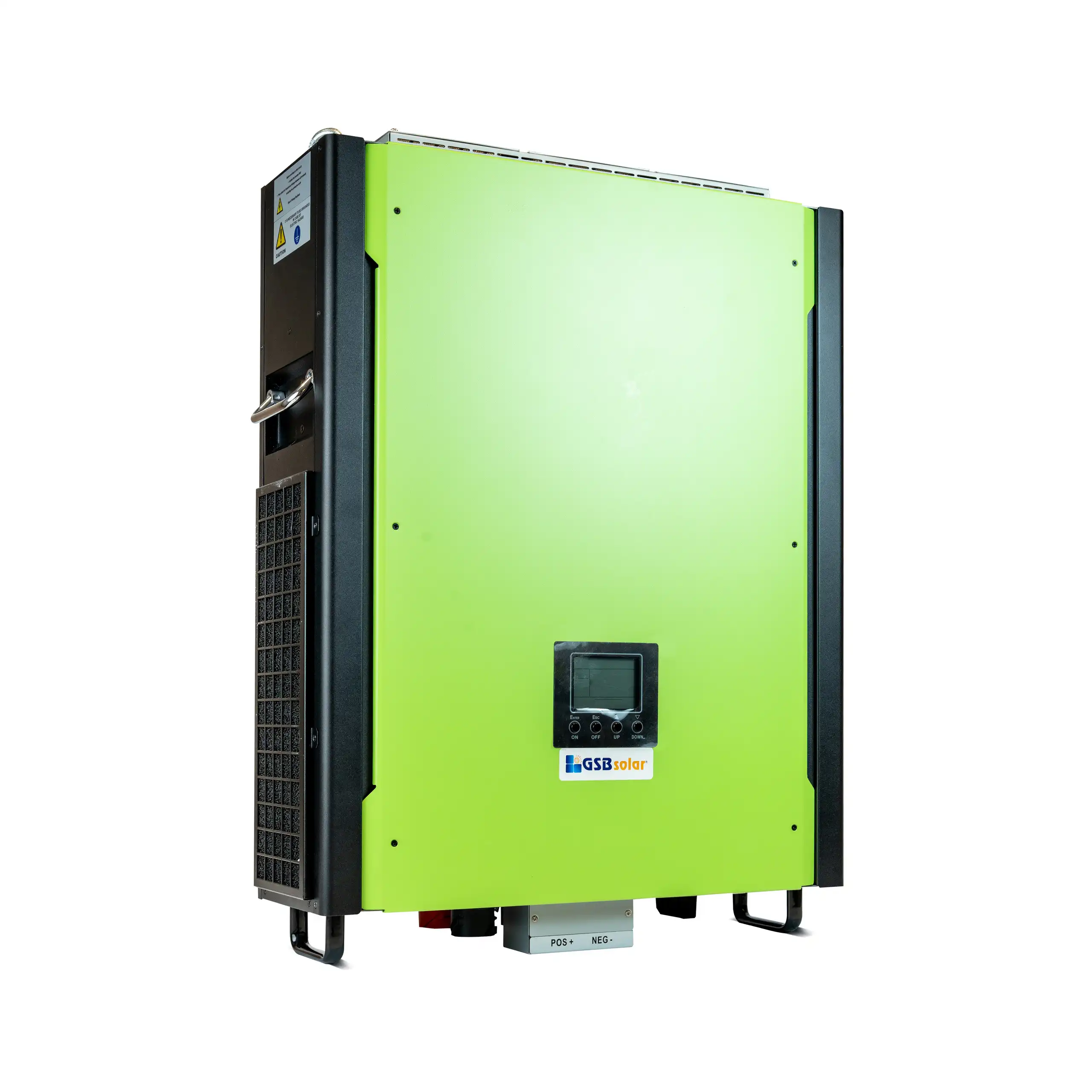
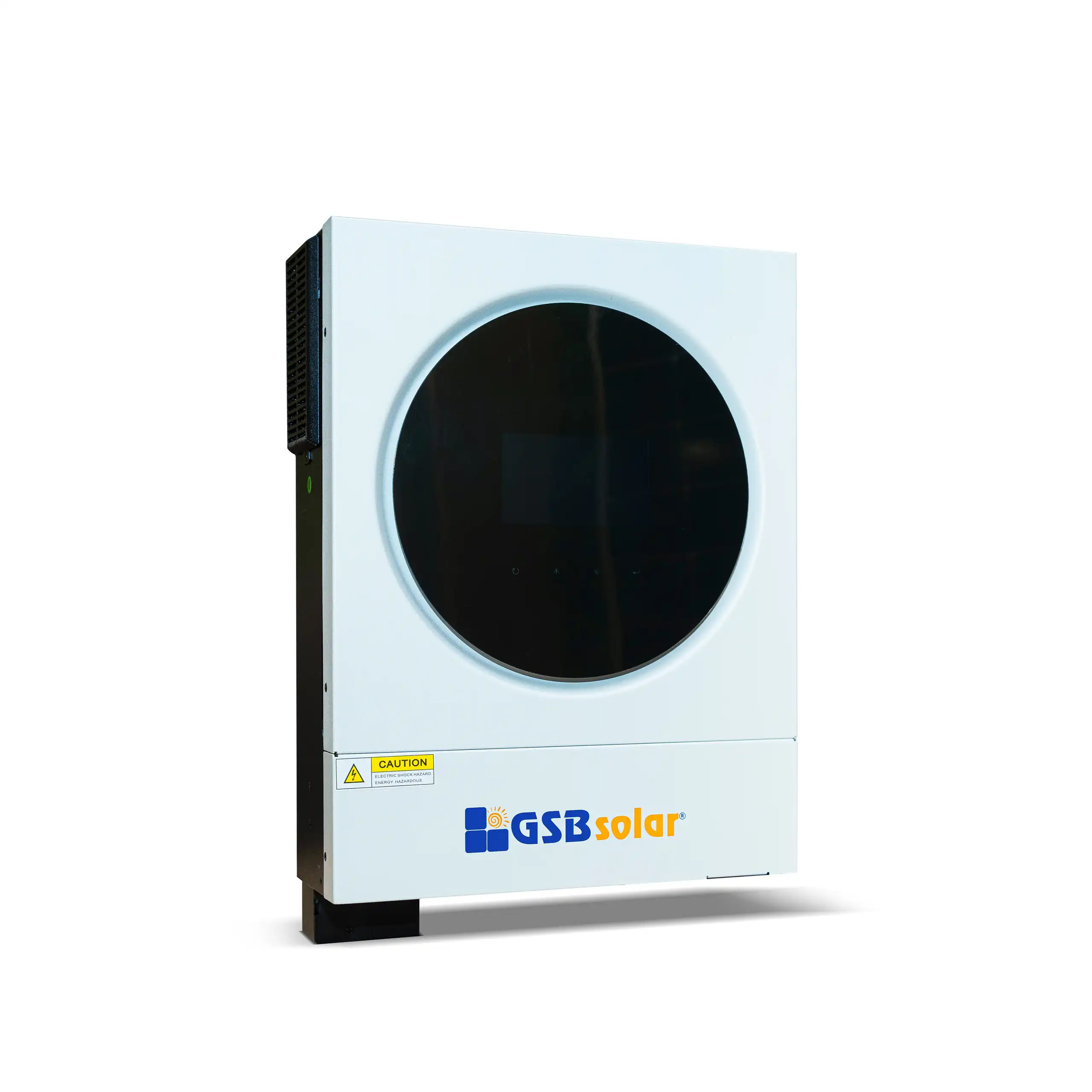
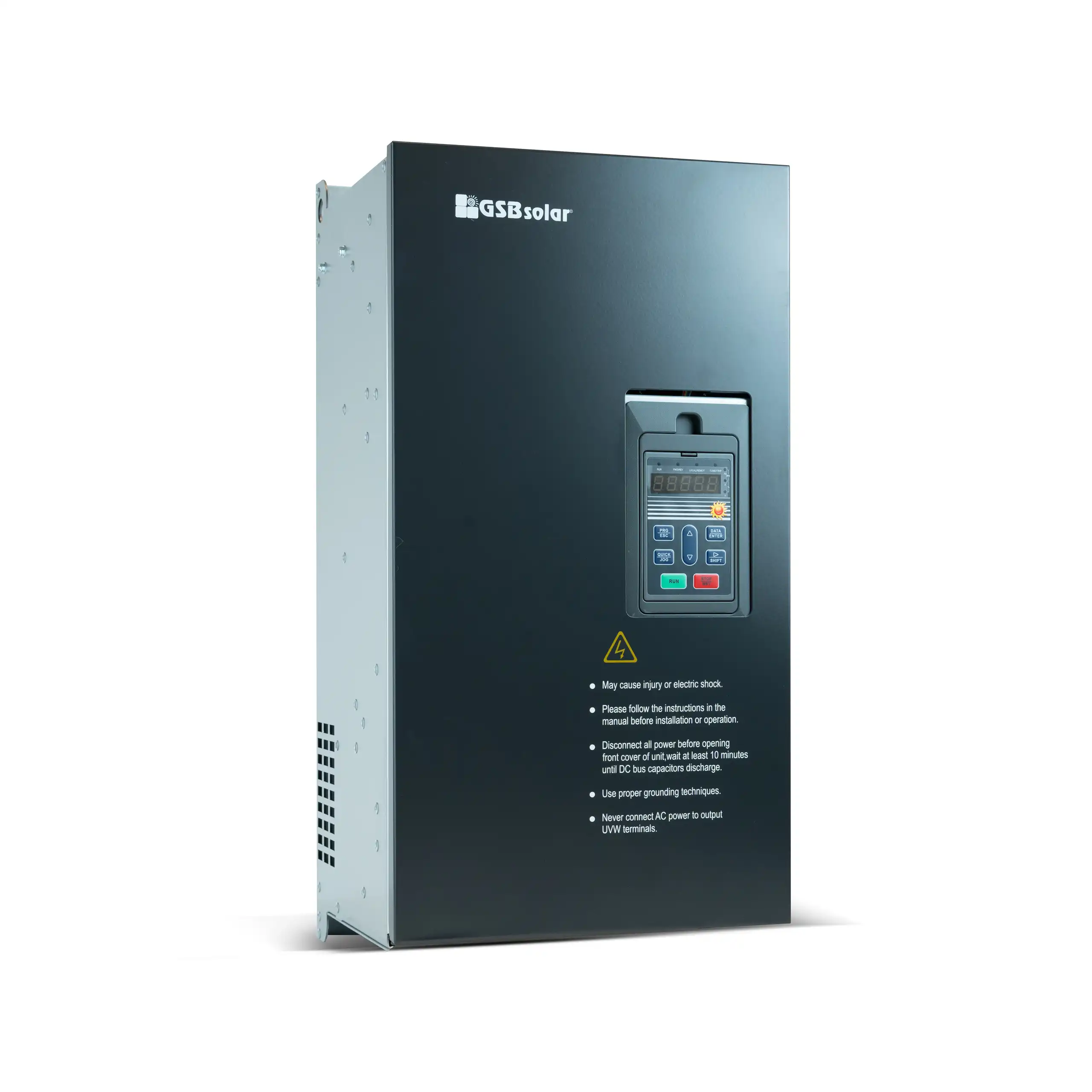
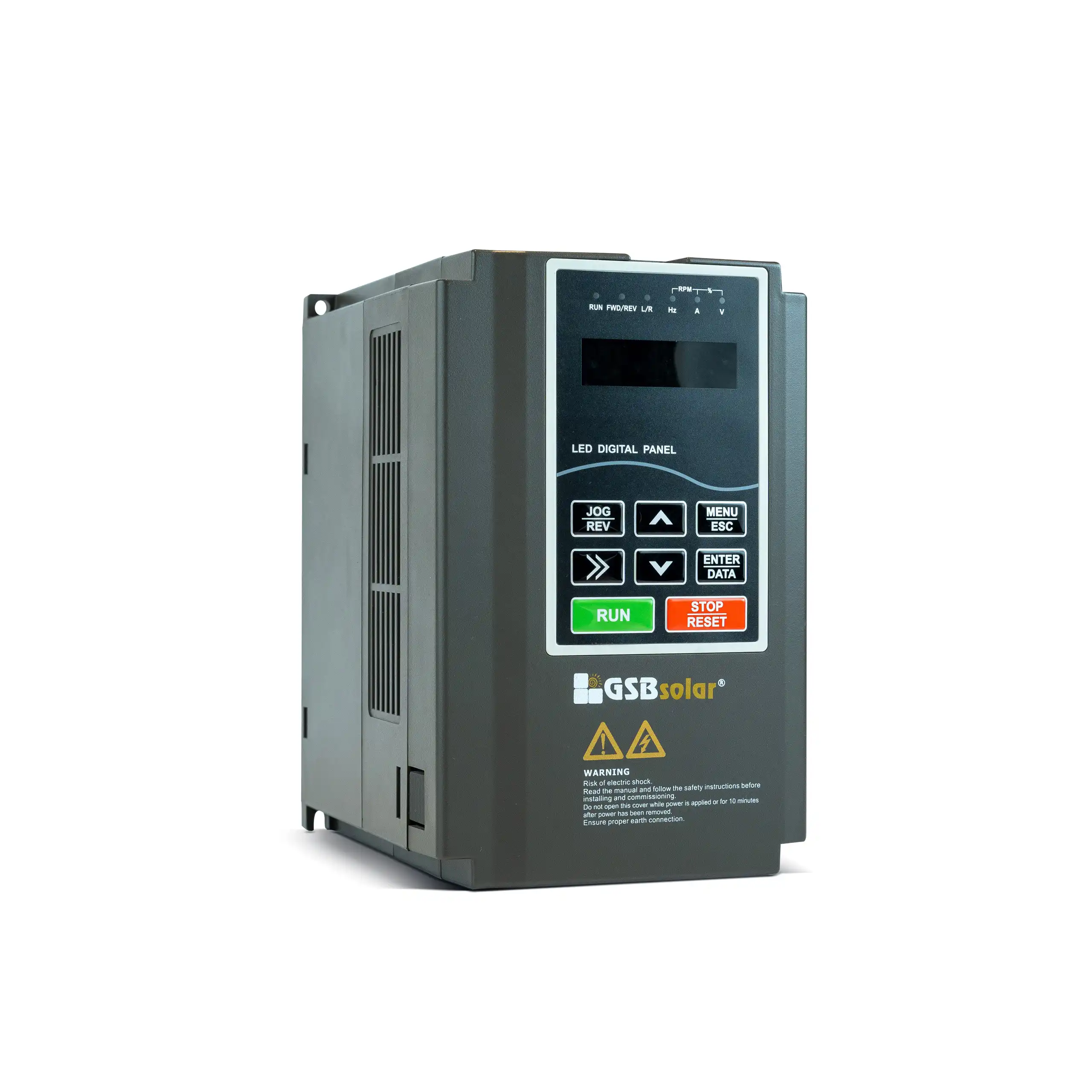
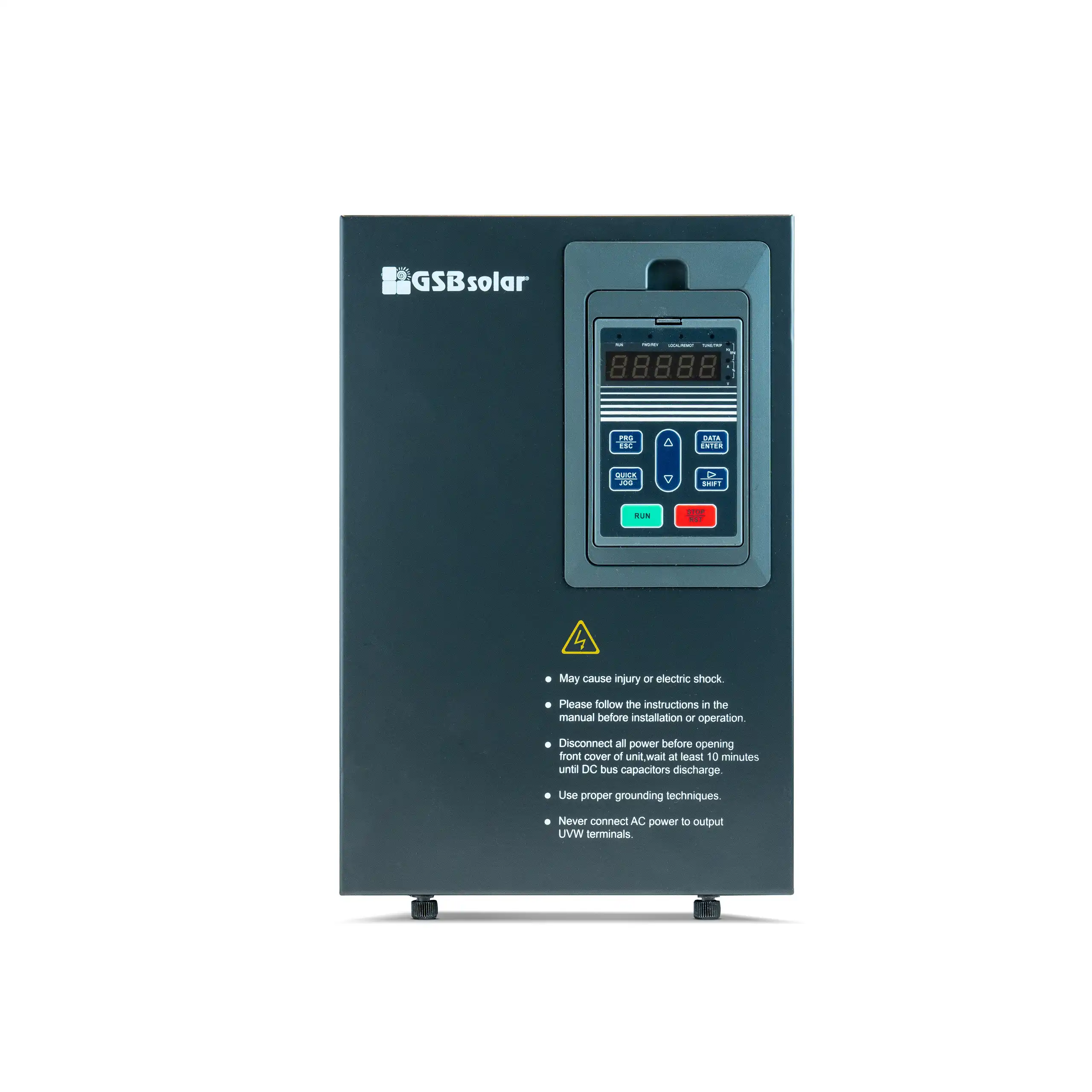
Hybrid systems combine utility power, solar generation, and battery storage. They can keep selected circuits running during outages, including a refrigerator, router, and lamps. Many systems made in China use modular batteries and compact hybrid inverters. Installation quality still matters more than attractive product photographs. Cable sizing, ventilation, grounding, and software settings deserve close inspection.

Balcony solar kits offer another choice for apartments with limited roof space. Microinverters can improve control for smaller panel groups, but shade may reduce production sharply. Practical estimates sometimes ignore winter sunlight and conversion losses. That deserves scrutiny.

Buyers should verify independent test reports, electrical certifications, warranty terms, replacement support, and local code compatibility before purchasing. A lower price may become costly when troubleshooting support is difficult.
Key Components and How They Work Together

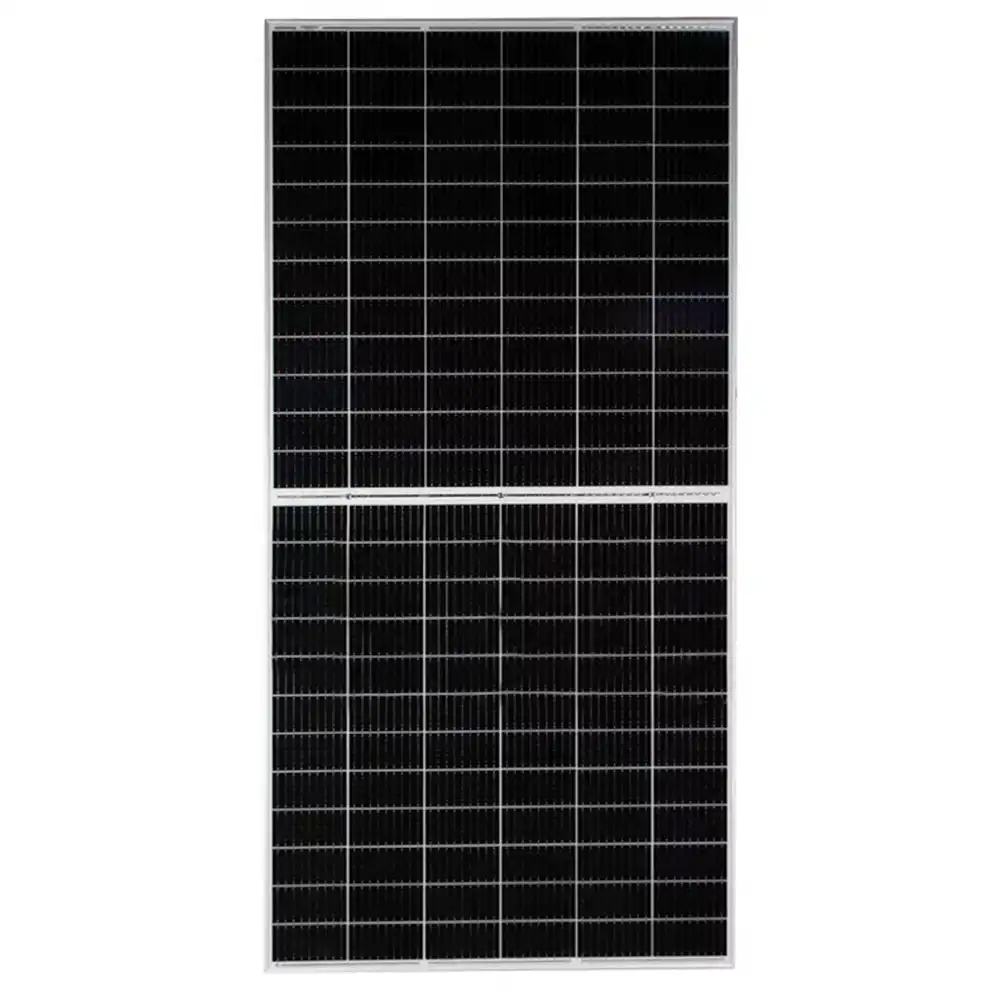
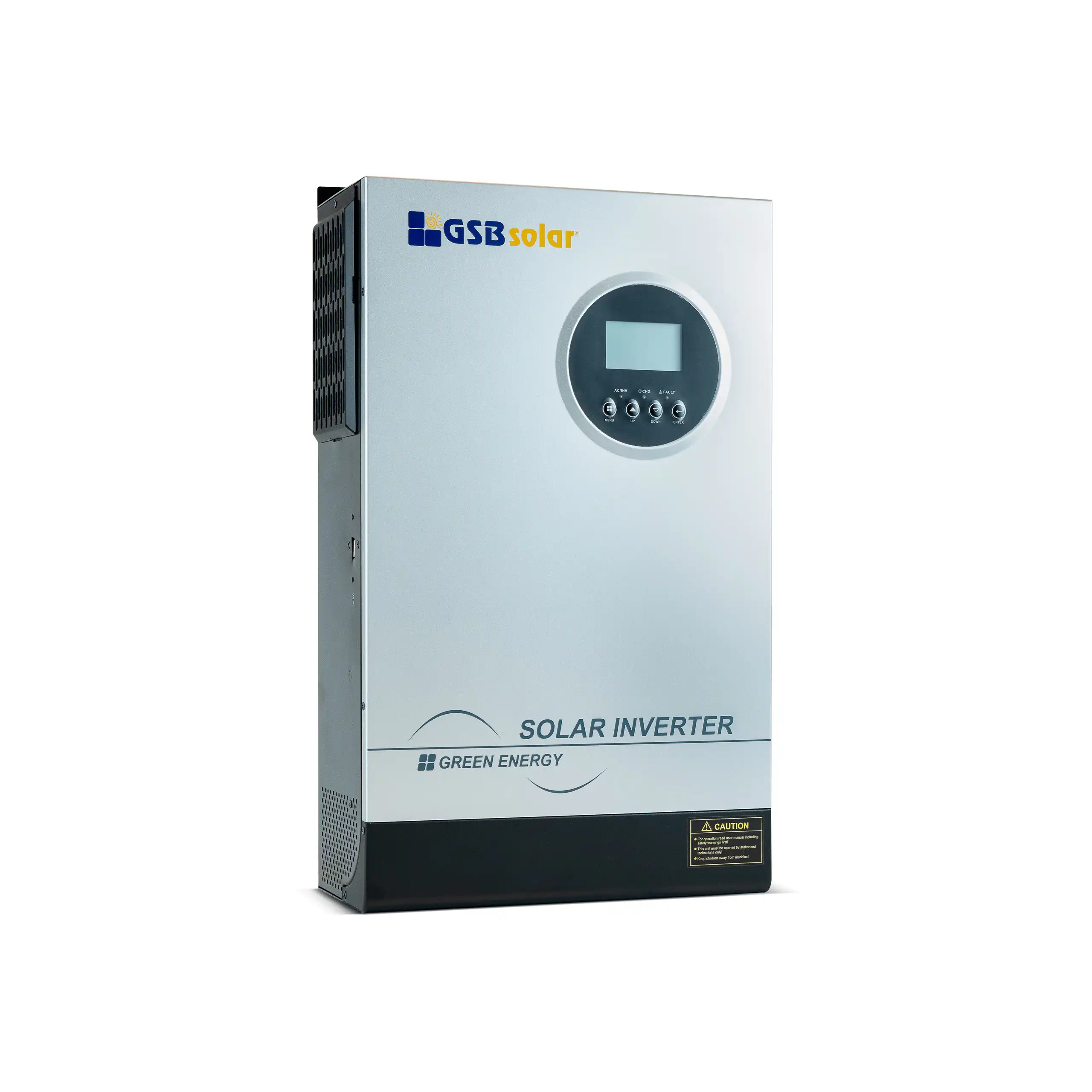
Choosing a home solar system from China requires more than comparing panel wattage. The system must match your roof, climate, electricity use, and local installation standards. Solar panels produce direct current electricity, but most household appliances need alternating current. An inverter performs this conversion and controls the system’s electrical flow.

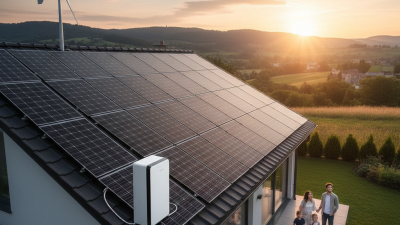
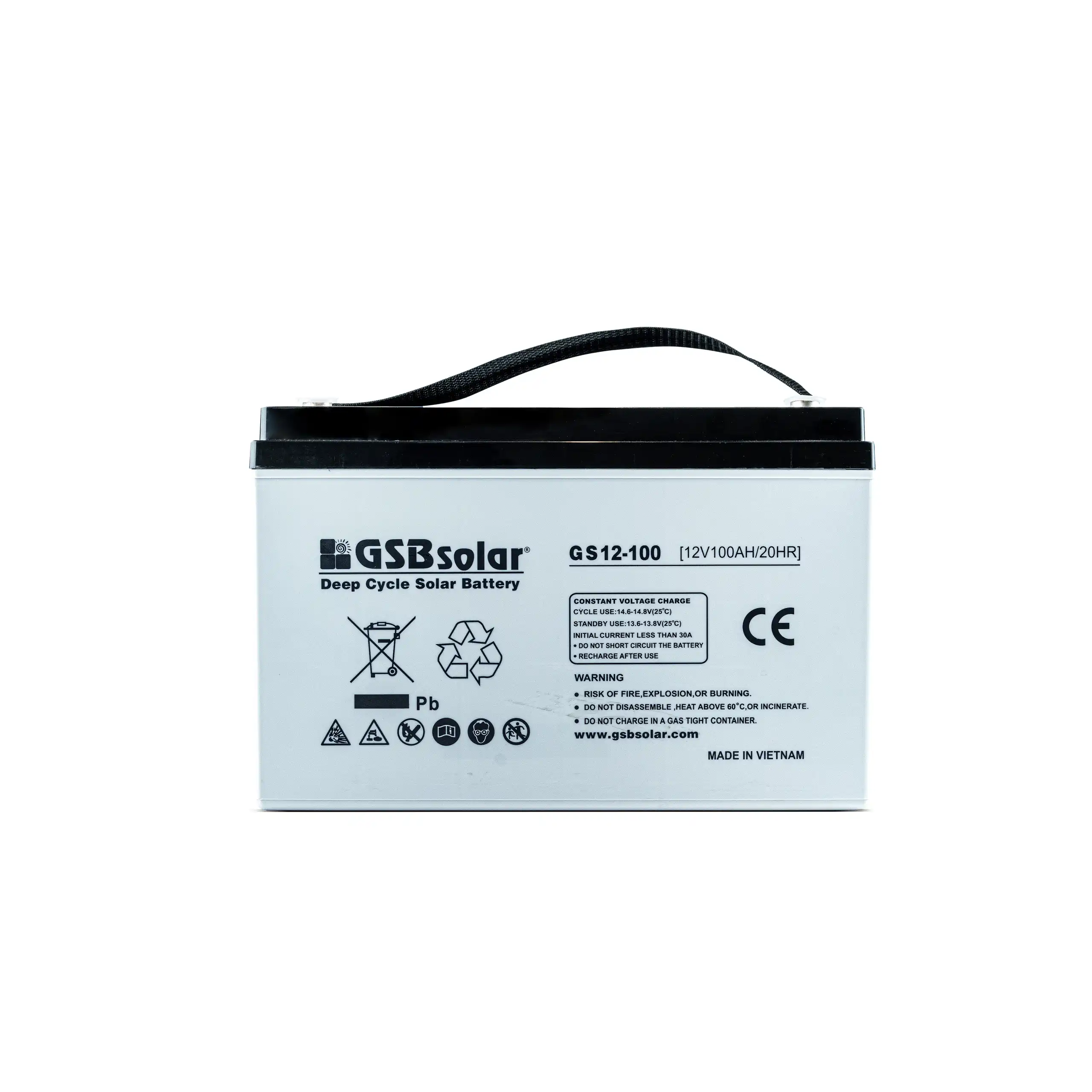
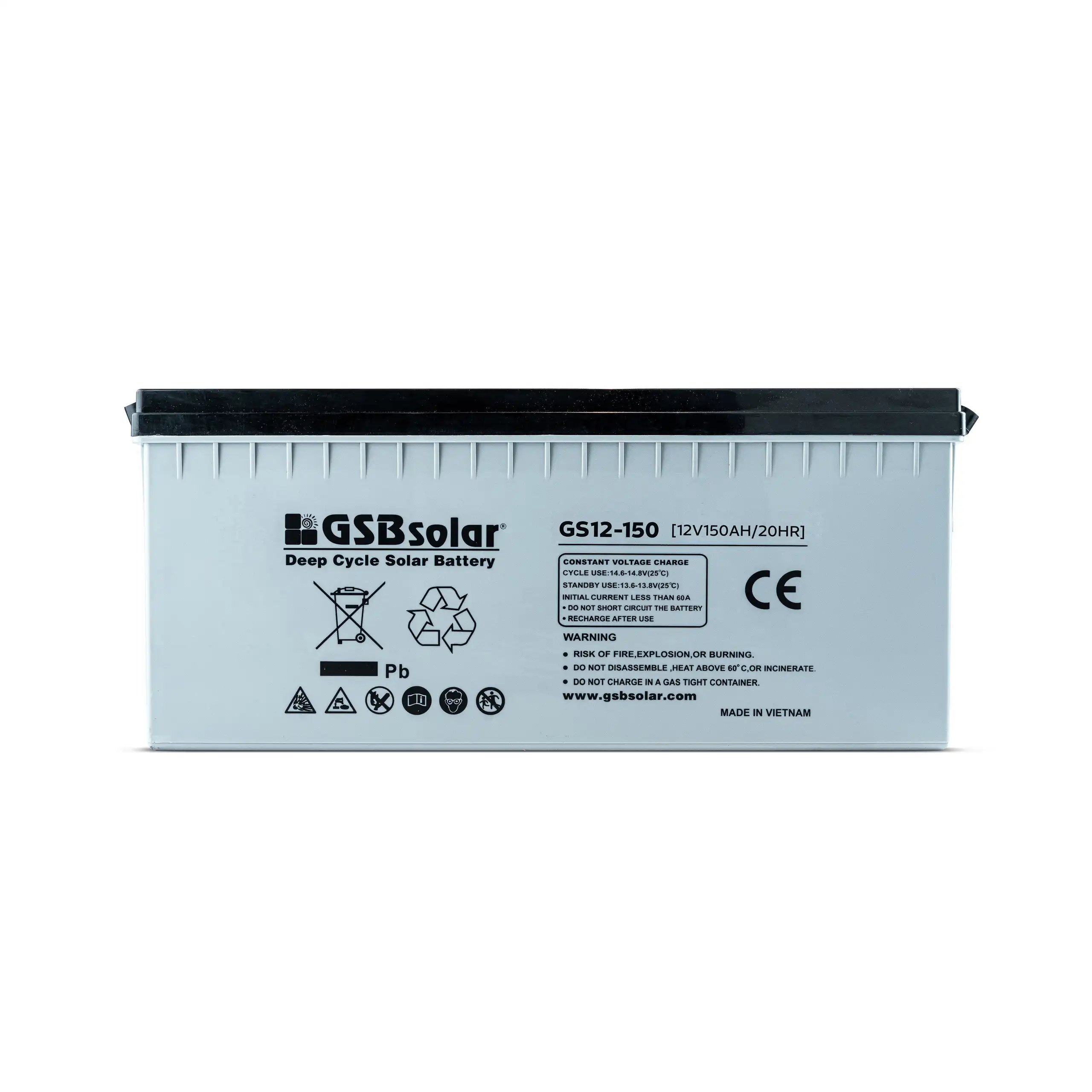
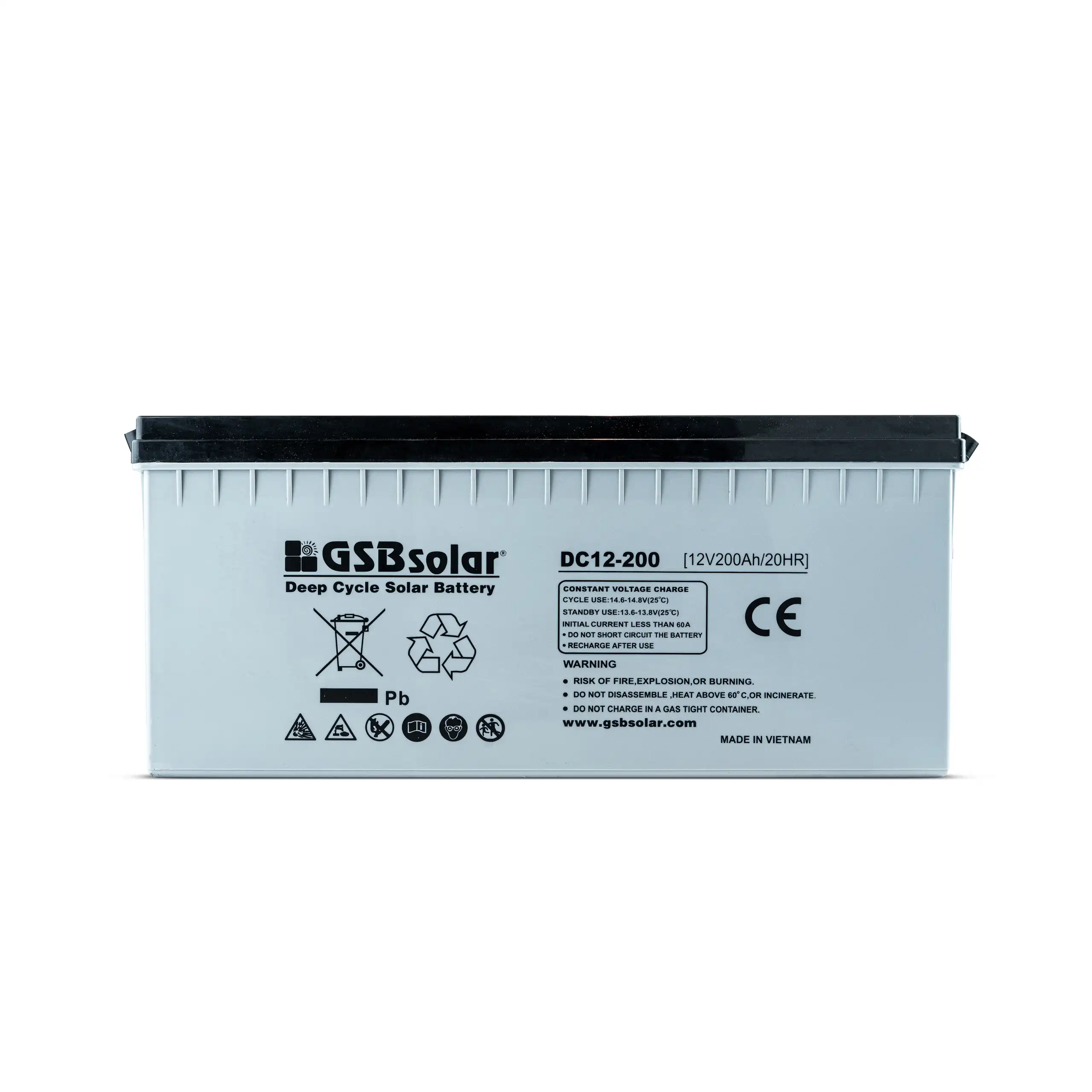
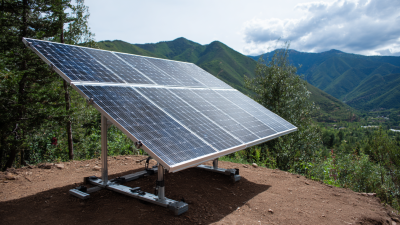
The main components work as one chain. Panels sit under sunlight and send power through protected cables. The inverter converts and manages that power for household use. A battery stores surplus energy for evenings, cloudy hours, or short outages. A charge controller may regulate battery charging in systems using separate battery storage. Mounting rails secure the panels against wind, while monitoring equipment records production and faults.

I have found that small details often decide long-term performance. A shaded chimney can reduce output across an entire panel group. Poor cable connections may create heat, even when the display looks normal. Ask for tested electrical ratings, temperature ranges, safety certifications, and clear warranty terms. Confirm whether replacement parts and technical support are available in your area. Do not rely only on factory photographs. A site survey matters.

Battery sizing also needs honest judgment. A larger battery is not automatically better. It may cost more and remain underused. My own planning would include a detailed load record for several days, although household habits can change quickly. That uncertainty deserves attention. A qualified installer should verify roof strength, cable protection, grounding, and emergency shutdown procedures before the system is commissioned.

How to Compare Chinese Solar System Performance

What Are the Best Home Solar Systems from China? Performance depends on more than panel efficiency. Compare the complete system: modules, inverter, battery, monitoring, warranty, and local service. IRENA reported that global solar capacity grew by 345.5 GW in 2023. China contributed about 216.9 GW. This scale supports strong manufacturing experience, but it does not guarantee equal quality in every shipment.

Check test conditions carefully. A panel rated at 450 watts may produce less under heat, dust, weak sunlight, or partial shade. The IEA PVPS Trends report shows that China remains the dominant force in global photovoltaic deployment. That advantage can reduce costs, yet installation quality still controls daily output. NREL research commonly uses an average module degradation rate near 0.5% annually. Ask suppliers for independent testing, temperature coefficients, inverter efficiency, and documented degradation results. Datasheets are useful, but they are not the roof.

Tips: Compare annual energy yield, not only wattage. Request a site-specific simulation using your roof angle, shading, and local weather. Check whether the installer can replace failed parts quickly. Battery performance deserves extra attention; usable capacity, round-trip efficiency, and cycle-life claims can vary. Keep records of serial numbers and commissioning tests. A lower price may appear attractive, but weak monitoring can hide faults for months. I would also leave room for doubt: laboratory ratings cannot fully predict a windy, dusty rooftop. Reliability should be measured after installation, not promised before it.

Safety, Certification, and Installation Requirements

What Are the Best Home Solar Systems from China?

Safety, Certification, and Installation Requirements

A reliable home solar system begins with documented safety, not attractive specifications. Before purchasing, check whether the panels, inverter, battery, and mounting hardware have relevant certifications for your country. Common references include IEC testing, electrical safety reports, and grid-connection approval. Certification marks alone are not enough. Verify the certificate number, testing laboratory, product model, and validity date.

Installation conditions matter just as much. A qualified electrician should inspect the roof structure, cable routes, grounding, and emergency shutdown location. DC electricity can remain dangerous in daylight. Use correctly rated isolators, surge protection, fuses, and weather-resistant connectors. Cables should be secured away from sharp edges and standing water. The inverter needs shade, airflow, and a dry wall. Batteries require suitable temperature control and clear ventilation requirements.

Ask for a site survey before accepting a final quotation. The installer should calculate roof loads, local sunlight, winter production, and household consumption. A system that looks powerful may perform poorly under partial shade. Battery storage also needs careful sizing. Oversizing creates unnecessary cost and unused capacity. Undersizing causes frequent grid dependence.

Keep the paperwork. It should include wiring diagrams, test results, warranty terms, maintenance instructions, and inspection records. Local permits and utility approval may be mandatory. One practical weakness deserves attention: some sellers provide excellent product documents but weak installation support. That gap can create real safety problems. Independent inspection is worth considering, especially after unfamiliar equipment is installed.

Choosing the Best Chinese Solar System for Your Home

Choosing the Best Chinese Solar System for Your Home

Choosing a Chinese solar system requires more than comparing panel prices. Start with your household’s electricity use, roof direction, shading, and local weather. A suitable system should include efficient panels, a dependable inverter, mounting hardware, and safe battery controls. In practical installations, inverter quality often affects daily performance more than a small difference in panel efficiency. Check test certificates, warranty terms, and the supplier’s technical support before paying. A clear warranty is useful only when service remains available in your region.

Tips: Request a system design based on your monthly bills. Ask for temperature, shading, and battery-loss calculations. Confirm who handles installation, maintenance, and recycling. Never rely on sales charts alone.

I would not choose the highest output model automatically. A slightly smaller system may perform better on a partially shaded roof. Battery capacity also deserves careful thought. Oversizing it can increase cost without improving evening savings. Ask an independent, qualified installer to inspect the roof and verify electrical protection. Local grid rules and building requirements must guide the final design. I have seen attractive proposals become disappointing when monitoring software was difficult to use. Leave room for questions, revisions, and a second opinion before signing.

What Are the Best Home Solar Systems from China?

Estimated annual electricity generation by common residential solar-system size

The estimates use a representative yield of approximately 1,100 kWh per installed kW per year, a commonly used planning value for residential photovoltaic systems in regions with good solar resources. Actual output depends on location, roof orientation, shading, weather, system losses, and installation quality. A 5–8 kW system is often a practical balance for a medium-sized home, while battery capacity should be selected according to evening consumption and backup requirements.

Facebook X Instagram Pinterest WhatsApp WhatsApp
We use cookies to improve your experience on our website. By browsing this website, you agree to our use of cookies.