2026 Best Solar Inverter Options for Every Homeowner Guide?
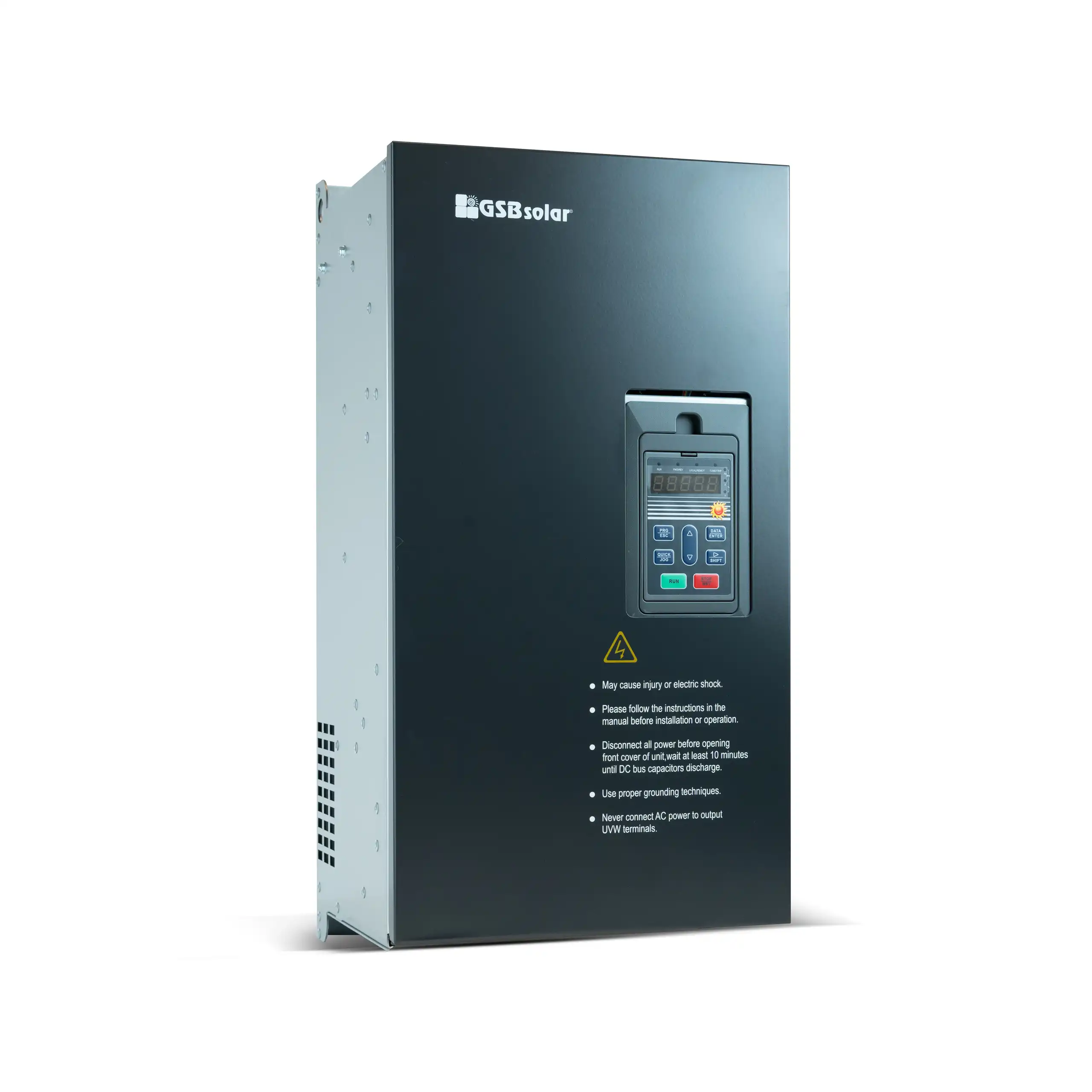
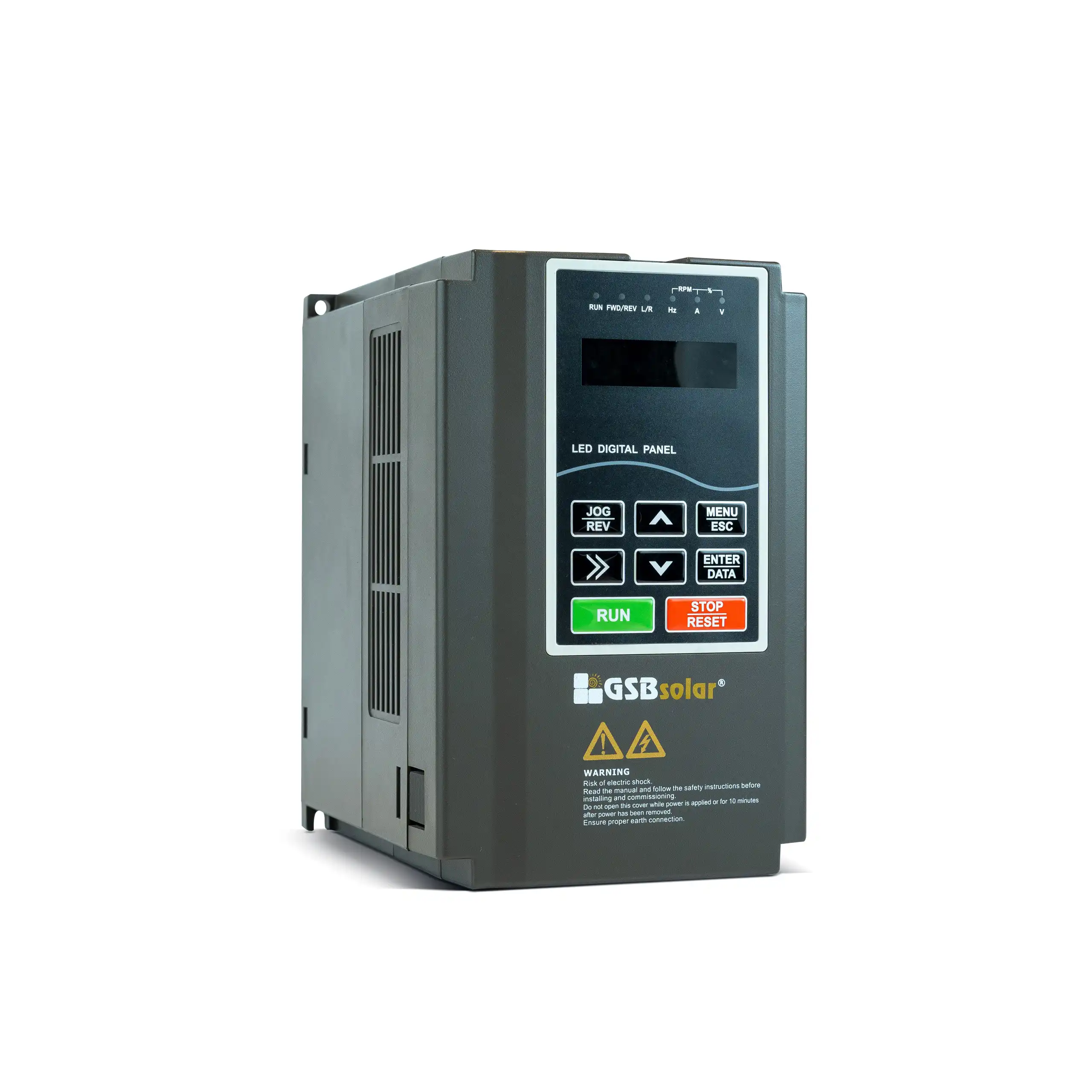
Choosing the right solar inverter is crucial for homeowners considering solar power. A solar inverter converts the direct current (DC) from solar panels into usable alternating current (AC), essential for home use. With the growing emphasis on renewable energy, understanding the best options available in 2026 is vital.
Homeowners often face challenges in selecting an inverter that fits their specific needs. Factors such as efficiency, durability, and compatibility with existing systems play significant roles. Some may overlook the importance of quality in pursuit of lower prices. This can lead to increased maintenance costs or reduced energy output. A well-chosen solar inverter saves money over time.
In this guide, we will explore various solar inverter options tailored for different homes. From budget-friendly models to high-performance units, our aim is to provide insight. Each choice has unique merits and drawbacks. Understanding these intricacies ensures that homeowners make informed decisions, maximizing their solar investments.
Top Characteristics to Look for in Solar Inverters
When selecting a solar inverter, several key characteristics stand out. Efficiency is one of the foremost factors. Reports indicate that modern solar inverters boast efficiencies ranging from 95% to 98%. This means homeowners can maximize energy production. However, higher efficiency often comes with a higher price tag. It's essential to weigh cost against potential savings.
Another critical aspect is the inverter's durability. Look for units with robust warranties. A typical good warranty lasts 5 to 10 years, while some premium offerings extend beyond 20 years. This reflects reliability but also needs careful consideration. Installation quality can greatly affect longevity.
Monitoring capabilities are often overlooked. Inverters that offer real-time data access are ideal. They can help track energy production and identify issues quickly. A 2021 survey found that 75% of homeowners preferred inverters with integrated monitoring. However, features vary significantly. Not every homeowner may require advanced technology, which could lead to unnecessary expenses. Balancing features with actual needs is vital for informed decision-making.
2026 Best Solar Inverter Options - Efficiency Comparison
Types of Solar Inverters: Which One is Right for Your Home?
Choosing the right solar inverter is crucial for optimizing energy use in your home. There are three main types of solar inverters. Each has its benefits and drawbacks. These are string inverters, microinverters, and power optimizers.
String inverters are the most common option. They are cost-effective and easy to install. However, they work best when all panels receive similar sunlight. If one panel is shaded, it can impact the entire system's output. A study from the National Renewable Energy Laboratory (NREL) noted that performance dips can range from 10% to 25% under these conditions.
Microinverters offer better performance in shaded areas. Each panel has its inverter, which allows for independent optimization. This can increase energy production by up to 20%, according to a recent industry report. However, they tend to be more expensive upfront.
Power optimizers strike a balance between both options. They increase efficiency and reduce issues with shading. But they still rely on a string inverter, making them less independent. Each type of inverter has considerations that may not suit every homeowner's unique situation.
Comparative Analysis of Leading Solar Inverter Brands for 2026
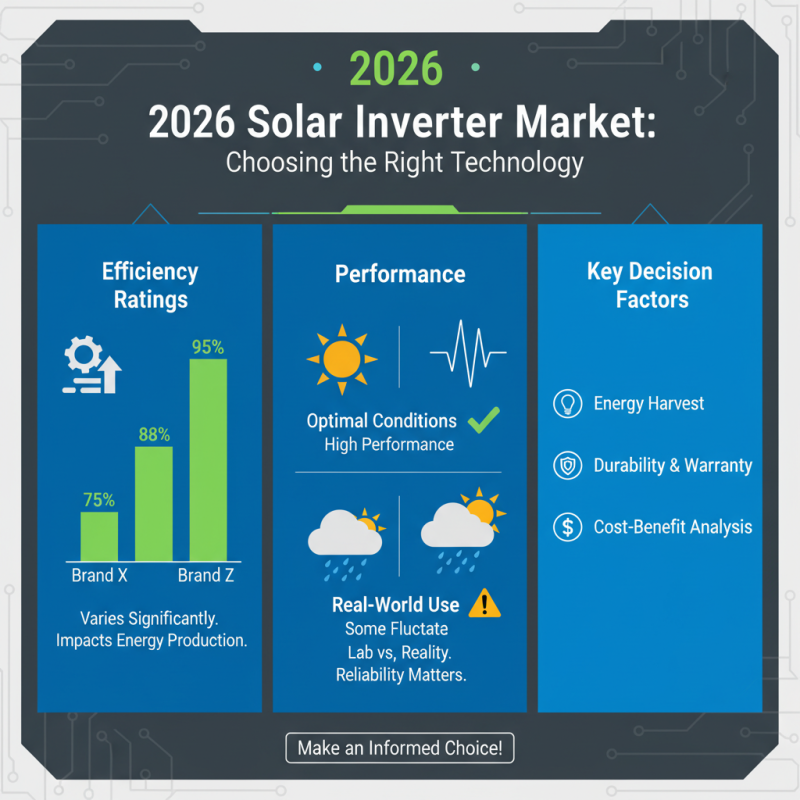
In 2026, homeowners face a variety of choices when selecting solar inverters. A comprehensive analysis of the market reveals distinct characteristics among the leading brands. Efficiency ratings often vary significantly, impacting overall energy production. Many brands boast high performance under optimal conditions, but some falter in real-world applications.
Cost is another crucial factor. While some inverters are priced attractively, they may lack long-term reliability. Warranties often reflect the manufacturer’s confidence in their products. A longer warranty may indicate better anticipated durability, yet it’s essential to examine the fine print carefully. Some homeowners have found themselves needing replacements sooner than expected, leading to dissatisfaction.
Lastly, user feedback shines a light on installation experiences and service quality. Several common complaints involve complicated setups or inadequate customer support post-purchase. A smooth installation process can make a massive difference in user satisfaction. While some users rave about their seamless experience, others voice frustrations that should not be overlooked. Each homeowner’s needs are unique, making it vital to weigh options carefully before making a decision.
Installation Tips for Optimal Performance of Solar Inverters
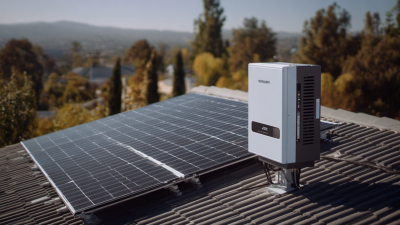
When installing solar inverters, optimal performance is essential. A recent industry report notes that improperly installed systems can reduce efficiency by up to 30%. Thus, homeowners should prioritize correct placement and orientation. Inverters need adequate ventilation for cooling. Avoid tight spaces; allow airflow around the unit.
Moreover, consider the installation angle. Angles that are too steep or too shallow can impact energy conversion. According to the Solar Energy Industries Association, the ideal angle varies based on geographic location. Staying informed about these specifics is crucial.
Routine maintenance is equally important. Dust and debris can hinder performance. A simple cleaning every few months can keep inverters functioning well. Homeowners often overlook the need for regular checks and updates. Monitoring performance metrics is beneficial. It highlights potential issues before they escalate.
Cost Considerations and Incentives for Solar Inverter Purchases
When considering solar inverters, cost is a major factor. Prices can vary widely based on capacity and features. Basic models may start at a few hundred dollars. High-efficiency inverters can cost several thousand. Research is essential. Be prepared for unexpected expenses and installations that may require additional tools.
Incentives play a crucial role in reducing overall costs. Many regions offer tax credits and rebates for solar system installations. These incentives can offset initial investments, making solar more accessible. However, the process to claim them can be confusing. Homeowners should check local requirements to maximize benefits. If you overlook these details, you might miss out on significant savings.
Long-term savings are attractive. Solar inverters can reduce electricity bills dramatically. However, not all systems offer the same efficiency. Choosing the right inverter is key. Homeowners should weigh performance against upfront costs. It's a balancing act that requires careful thought. Many see the benefits but neglect future maintenance costs, a common oversight in planning.